

Company News
 15 2026-07
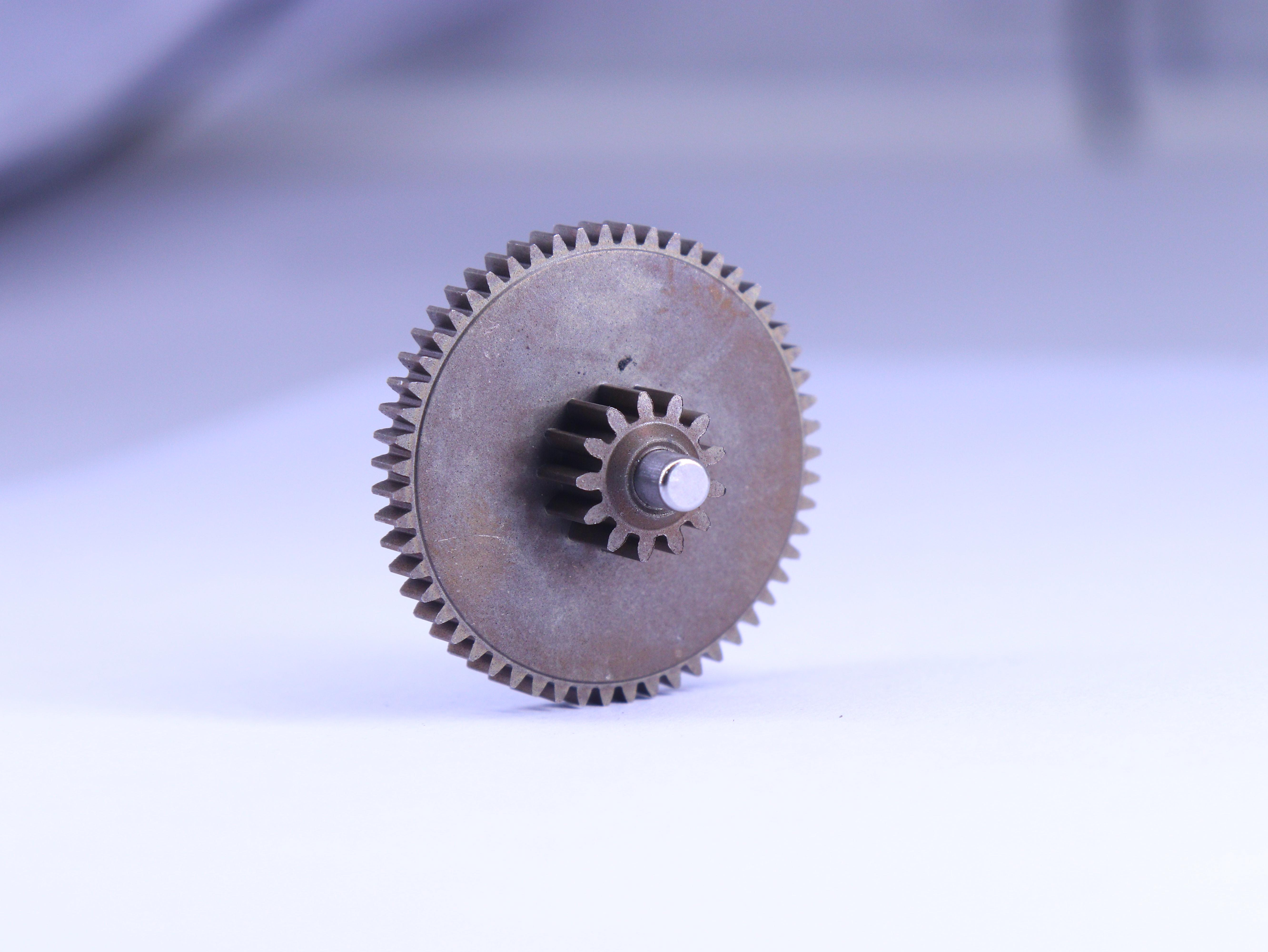
 Today, Guangming Group shares the core structure and specifications of D-bore helical gears.
It is formed by milling one flat side of a round hole, which locks the flat section of the transmission shaft without flat keys to prevent slipping.
Structure: Circular wall with one flat positioning edge
Matching method: Interference press-fit as the primary assembly method; heavy-load versions feature threaded set screw holes on the hub for secondary locking reinforcement.
Hub: Thickened cylindrical hub improves the torsional strength of the D-bore and avoids cracking of the bore wall under torque.
As a professional manufacturer and factory based in China, we strictly control the dimensional tolerance of each D-bore to guarantee stable fit performance for global buyers and suppliers.
 10 2026-07
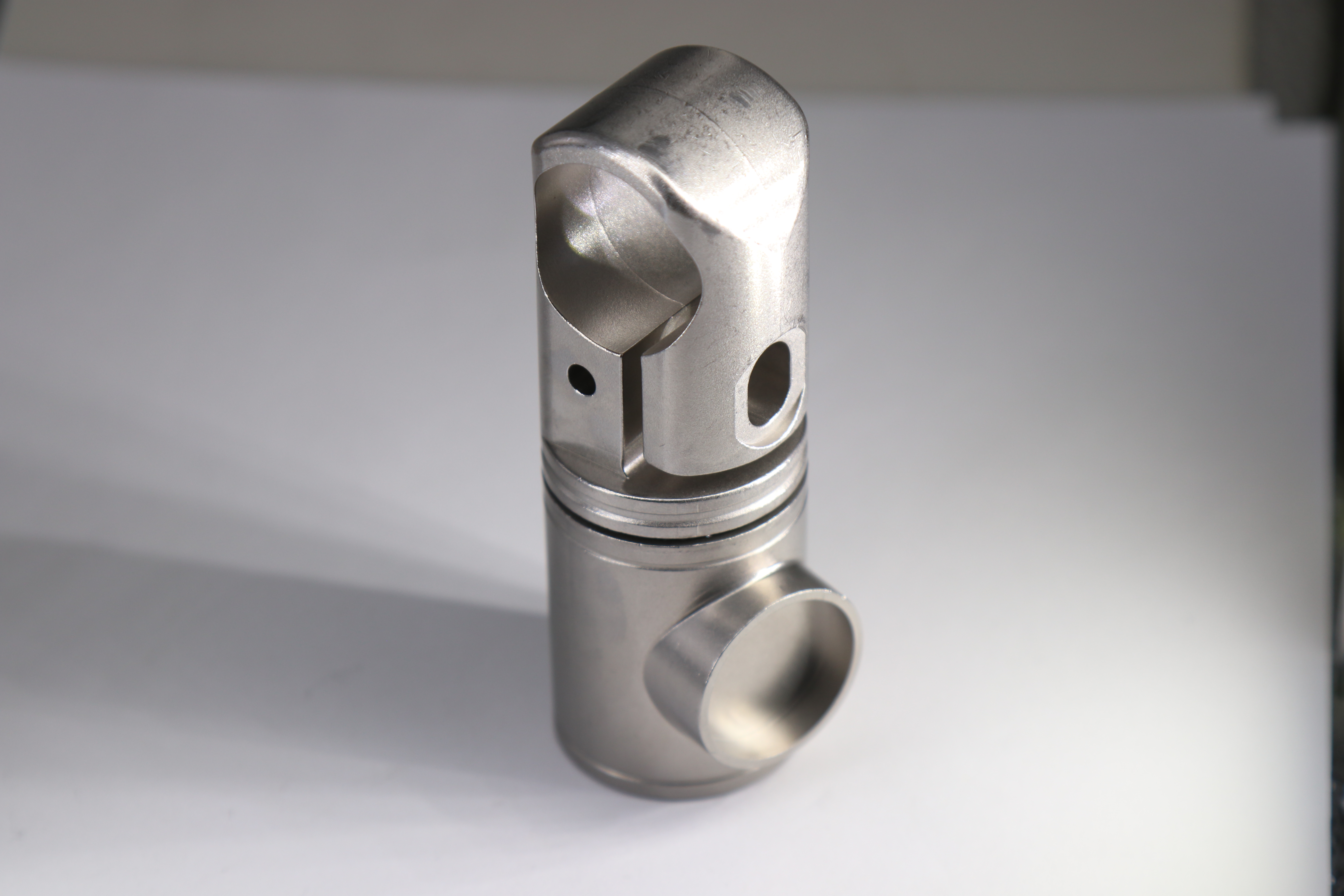
 Guangming Group Talks Today: What Are the Main Application Scenarios of T-type Double Gears?
As a professional China manufacturer and reliable global supplier with our own independent production factory, we specialize in producing high-precision T-type double gears for diverse industrial transmission solutions. Our factory strictly controls production quality and delivery cycles, making our T-type double gears widely adopted in the following mainstream application scenarios:
 15 2026-06
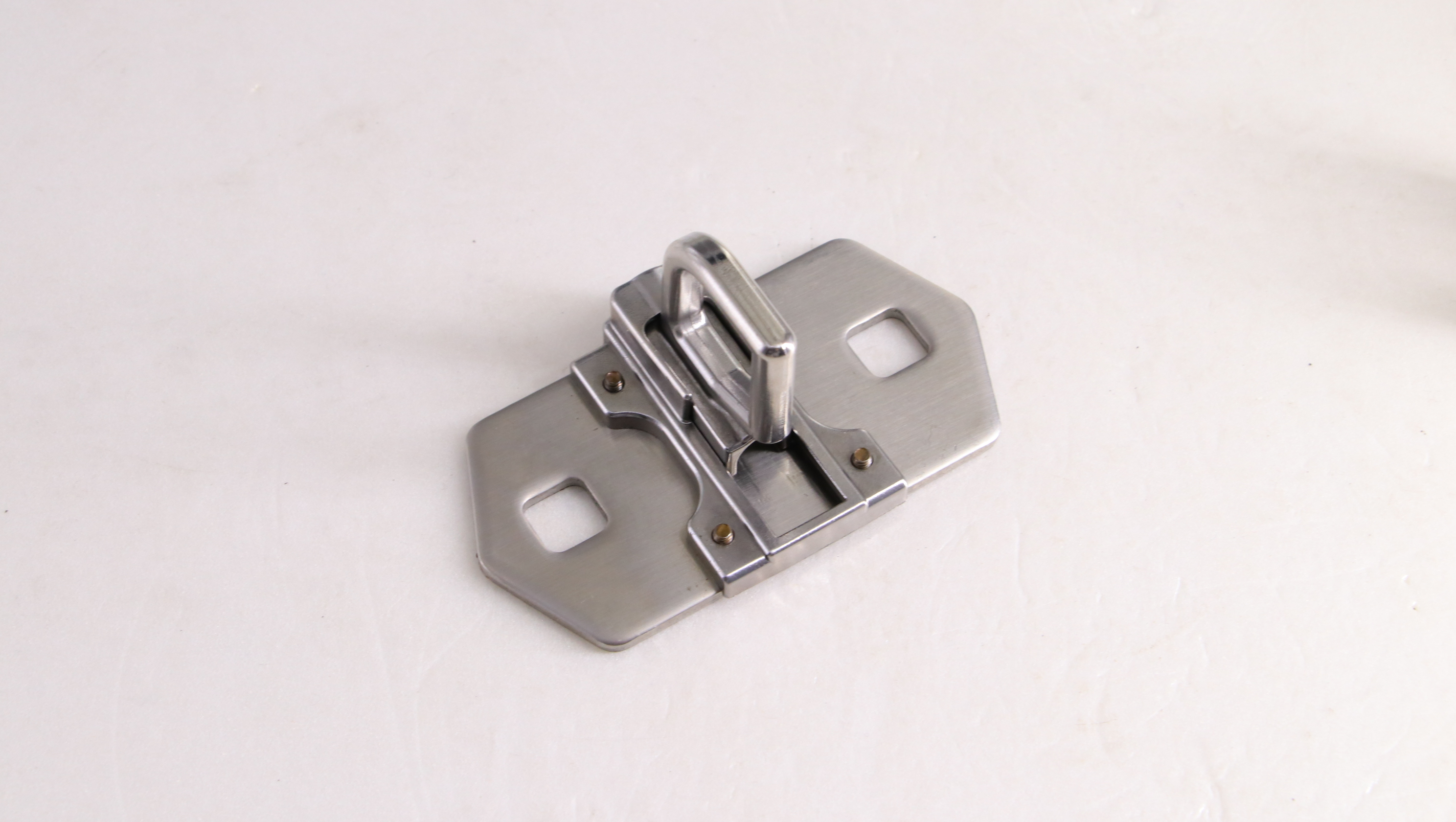
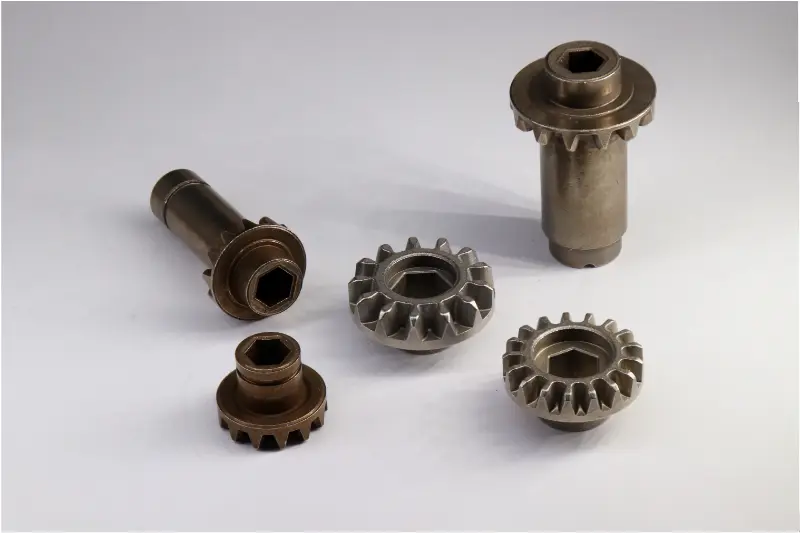
 Guangming Group Today Talks about Powder Metallurgy for Shock Absorbers
Shock absorber powder metallurgy is the process of pressing iron/copper/alloy powder into shape and high-temperature sintering to produce precision parts such as pistons, bottom valves, guide seats, and valve plates inside shock absorbers, replacing traditional machining/casting parts with high precision, low cost, and long service life.
 20 2026-05
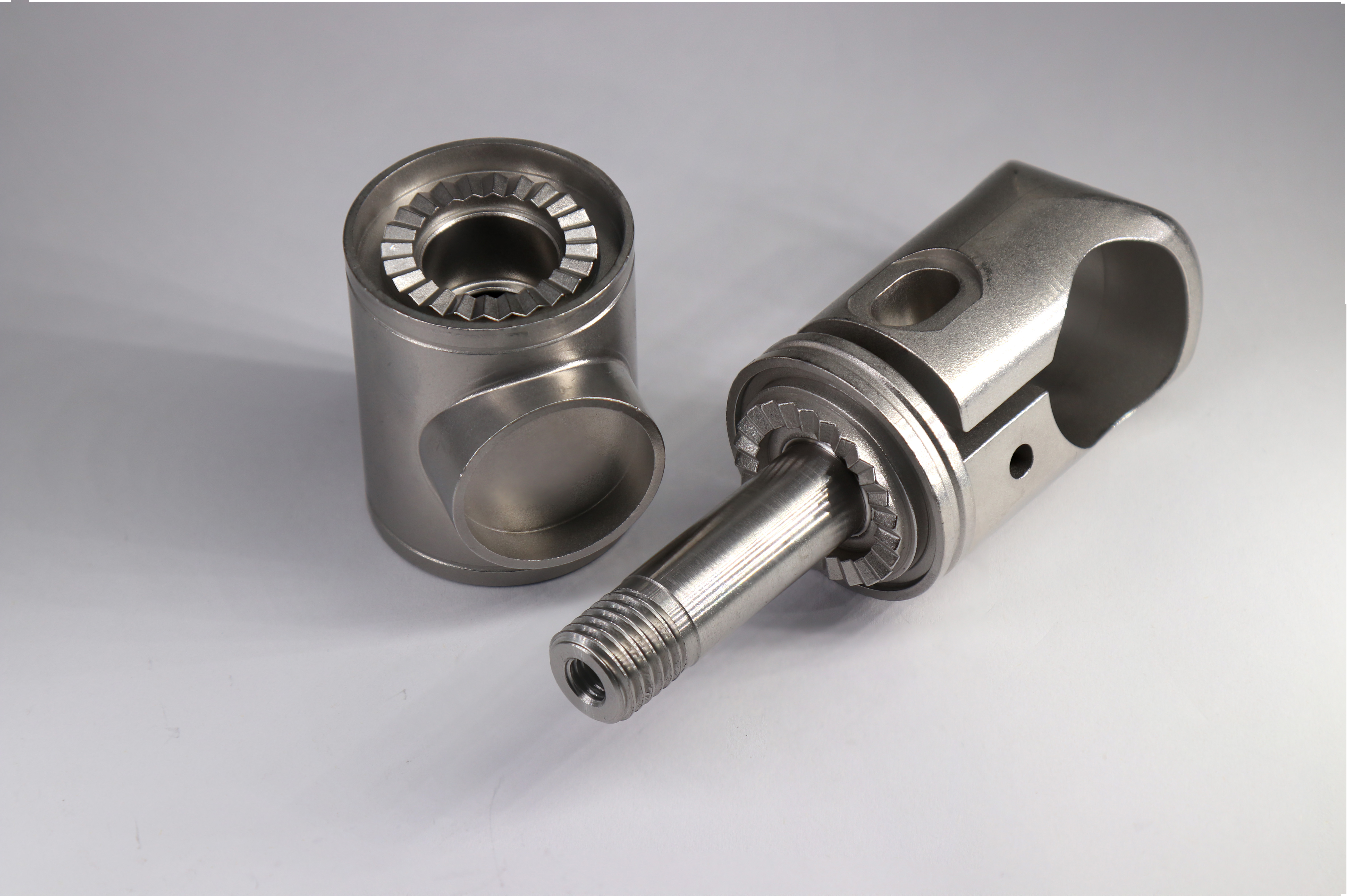
 What are the advantages of powder metallurgy gears shared by Guangming Group today
The core advantages of powder metallurgy gears are near net forming, material saving, labor saving, low cost, and suitability for large quantities.
 18 2026-05
 Guangming Group shares its powder metallurgy production process today
Mechanical method: including solid crushing and liquid crushing. Solid crushing is the process of rolling or vibrating a cylinder to impact and crush materials into powder using steel balls, suitable for brittle metals and alloys; Liquid pulverization is mainly the atomization method, which disperses molten metal into mist like droplets through high-pressure gas, liquid, or high-speed rotating blades. After cooling, it becomes powder and is suitable for metals with low melting points