

Company News
 16 2026-10
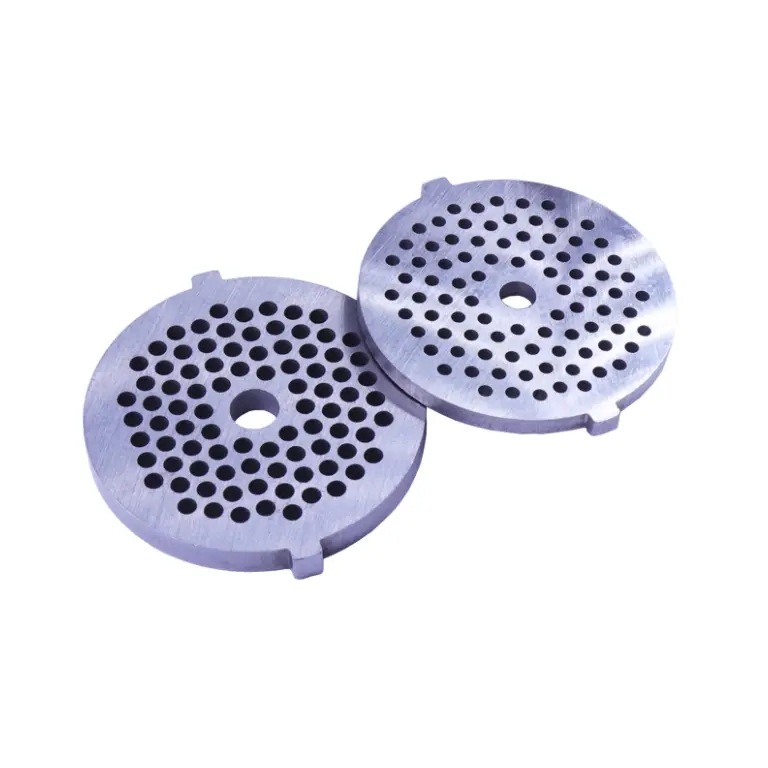
 Guangming Group Daily Insights: What trends will powder metallurgy and MIM technology show in cutting costs for humanoid robots going forward?
English Translation (B2B industrial version, suitable for LinkedIn / company profile / overseas brochure)
Six Development Trends of Powder Metallurgy (PM) and MIM for Cost Reduction in Humanoid Robots
Core Logic: PM delivers extreme cost reduction for mass-produced standard transmission components; MIM manufactures complex integrated micro-structural parts. Instead of simply replacing CNC machining, both processes are deeply brought forward into the robot design phase to achieve synergistic cost reduction through “material-structure-process”, shifting cost optimization from component level to module level.
 14 2026-10
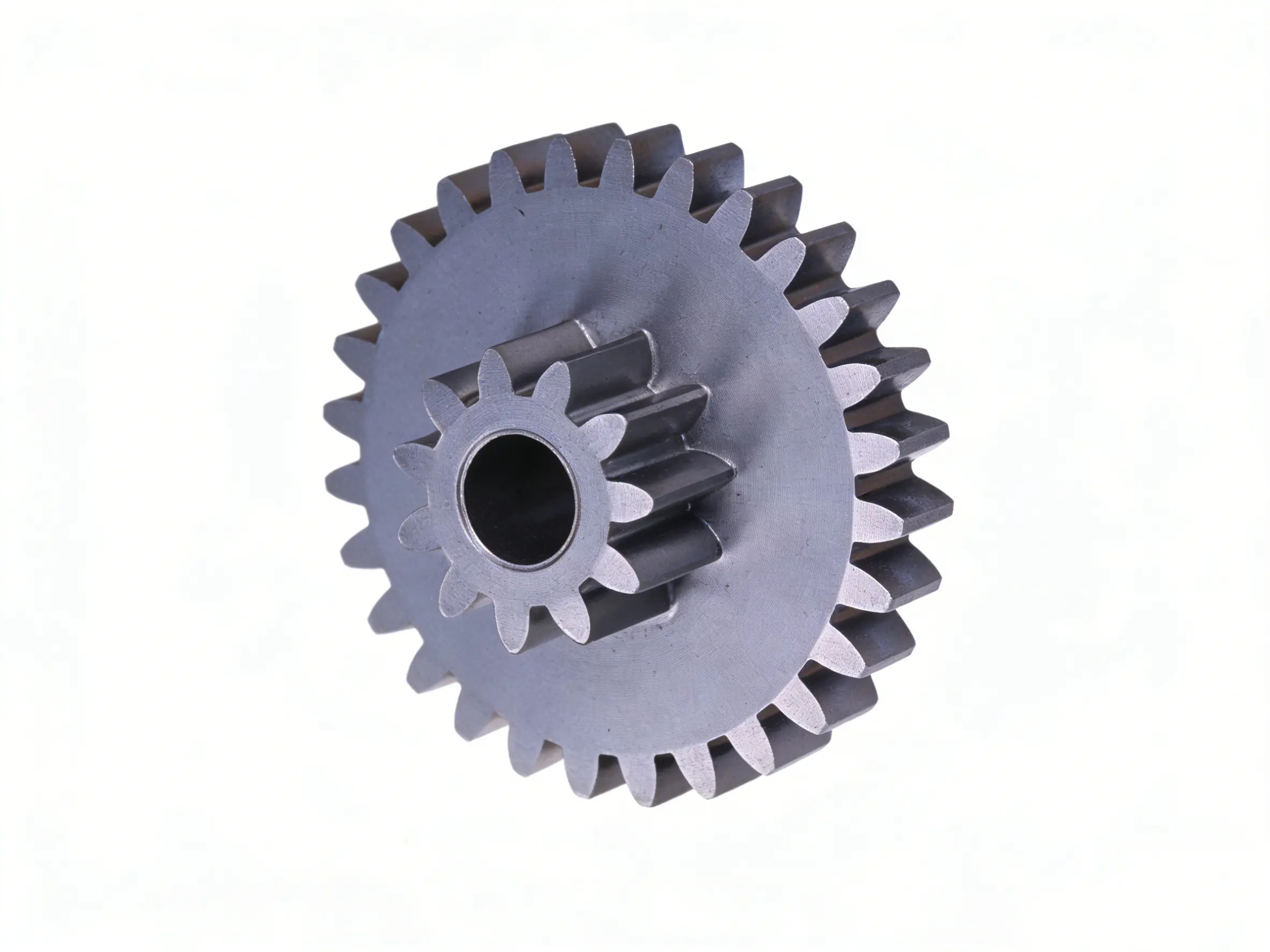
 Guangming Group’s Daily Sharing: How to Improve the Hardness and Wear Resistance of Powder Metallurgy Gears
Core principle: First increase density and reduce harmful pores (foundation), then enhance matrix/tooth surface hardness (performance improvement), and finally adopt surface strengthening and lubrication protection (reinforcement). If only heat treatment is used to raise hardness, tooth surface spalling will easily occur with insufficient density, and the improvement in wear resistance will be limited.
 29 2026-09
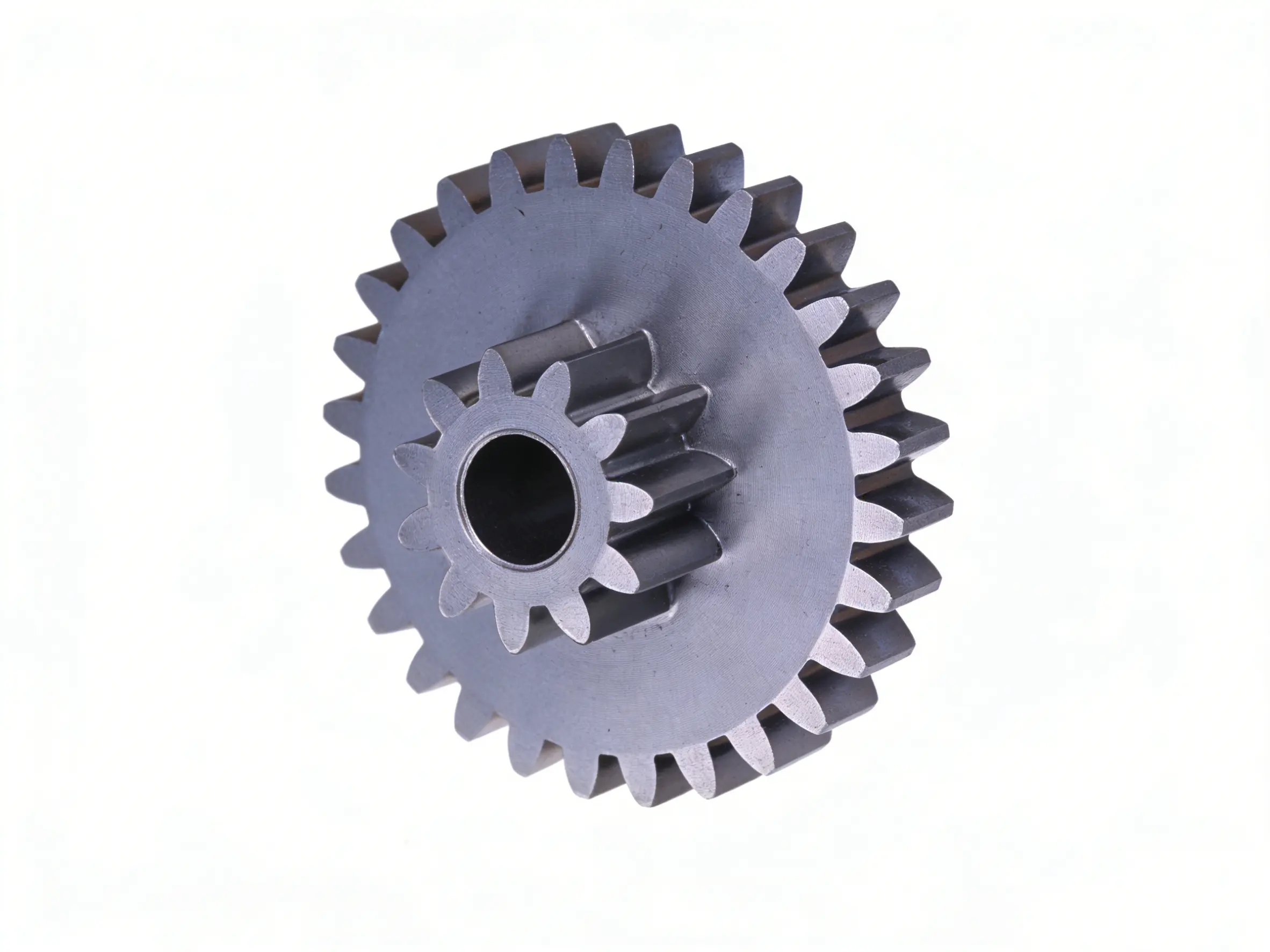
 How can high precision be achieved in MIM manufacturing?
The biggest challenge of MIM lies in the 15%~20% bulk shrinkage during sintering. High precision is essentially achieved by controlling uniformity across the entire process: stable feedstock → uniform green part density → distortion-free debinding → consistent sintering shrinkage. Combined with mold shrinkage compensation, post-finishing correction and SPC control, standard MIM can reach a dimensional tolerance of ±0.3%, while critical features can achieve ±0.02~0.05 mm.
 22 2026-09
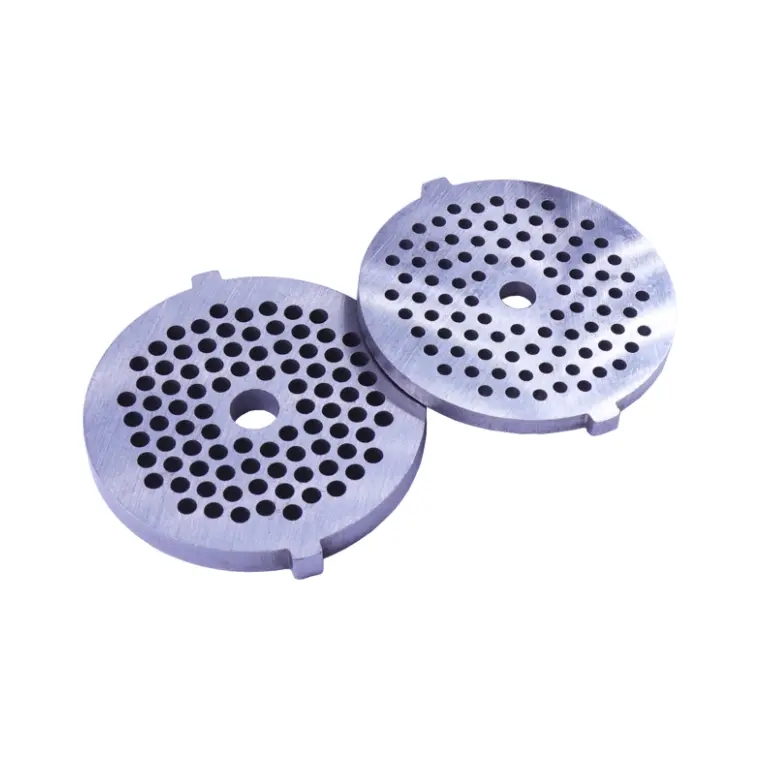
 How is metal injection molding (MIM) applied in the industrial automation and precision instrument industries?
Metal Injection Molding (MIM) features core advantages: it is suitable for mass production of small, high-strength metal parts with complex thin walls, 3D irregular geometries and high dimensional accuracy. Complex components with holes, grooves, threads and curved surfaces can be formed in one step, greatly reducing CNC machining and improving material utilization. This perfectly matches the development trend of automation equipment and precision instruments towards miniaturization, integration and high precision.
 18 2026-09
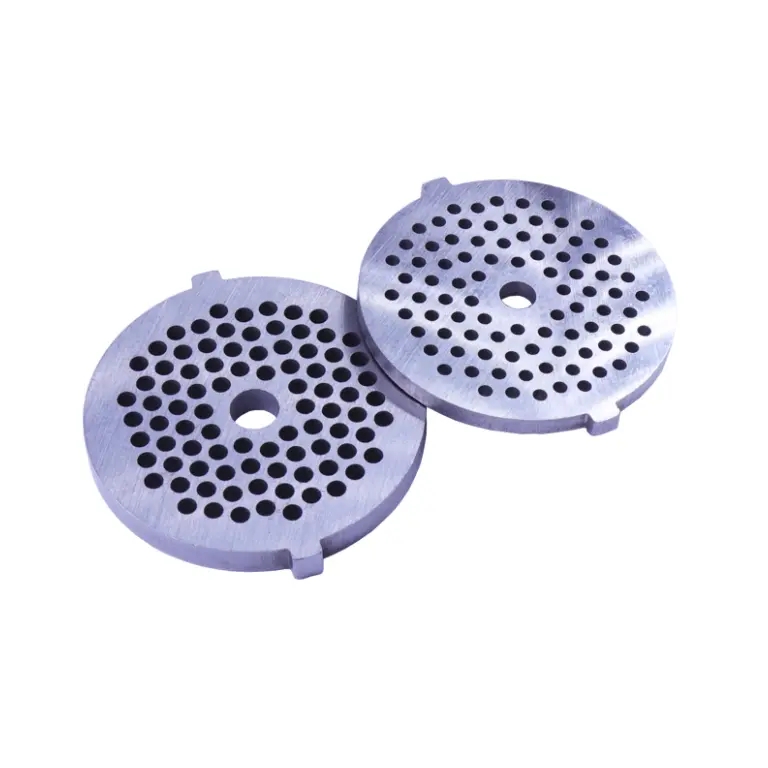
 How to extend the service life of MIM powder metallurgy molds
The main cause of MIM mold wear: continuous abrasion of the mold cavity by metal powder in feedstock, which is far more severe than common plastic injection molds. Core strategies: mold material selection + surface strengthening + product structure optimization + injection process control + regular maintenance.