China Automotive Parts Manufacturer
Your Ultimate Guide to Premium Automotive Parts for Performance & Reliability
For over two decades, our mission has been to connect vehicle owners, professional mechanics, and fleet managers with the highest quality automotive components on the market. In an industry where precision, durability, and safety are non-negotiable, choosing the right parts is paramount. This comprehensive guide delves into the specifics of our product lineup, highlighting the engineering excellence and rigorous standards that define every component we offer. Whether you're performing routine maintenance, a complex repair, or seeking an upgrade, understanding the technical parameters of your automotive parts is the first step toward ensuring optimal vehicle performance and longevity.
These parts are the heart of your vehicle. We source and manufacture components that meet or exceed Original Equipment (OE) specifications.
-
GM-Engineered Cylinder Heads
- Material: High-grade aluminum alloy (A356-T6) or cast iron (Class 35 gray iron).
- Valve Configuration: Multi-angle, swirl-polished intake and exhaust valves.
- Combustion Chamber Volume: Machined to precise OE tolerances (± 0.5cc).
- Pressure Testing: 100% leak-tested at 60 PSI for water jackets and 40 PSI for intake/exhaust ports.
- Warranty: Limited lifetime warranty on materials and workmanship.
-
High-Flow Fuel Injectors
- Flow Rate: Available from 18 lbs/hr to 65 lbs/hr at 43.5 PSI (3 Bar).
- Impedance: Low impedance (2-4 ohms) or high impedance (12-16 ohms) options.
- Spray Pattern: Multi-hole, cone-optimized for superior atomization.
- Compatibility: Direct fit for GM LS, Ecotec, and Duramax series engines.
Frequently Asked Questions (FAQ) About Automotive Parts
Q: How do I know if an automotive part is compatible with my specific GM vehicle?
A: Compatibility is crucial. Always reference your vehicle's Year, Make, Model, and Engine size (e.g., 2018 Chevrolet Silverado 1500 with a 5.3L V8). Our product listings feature a robust vehicle selector tool. Furthermore, cross-reference the OEM part number if you have it. All genuine GM parts and many of our premium aftermarket lines will list direct application data. When in doubt, consult with our technical support team who can verify fitment using your VIN (Vehicle Identification Number).
Q: What is the difference between OEM, OES, and aftermarket parts?
A: OEM (Original Equipment Manufacturer) parts are made by the vehicle's maker (e.g., GM) and are identical to what was installed on the assembly line. OES (Original Equipment Supplier) parts are made by the same company that supplied the automaker, often sold under the supplier's own brand (like ACDelco for GM). Aftermarket parts are produced by a different company, often offering a range of quality from economy to performance-grade. We specialize in offering all three types, clearly labeled, so you can choose based on your budget and performance requirements.
Q: Why are some parts significantly more expensive than others that look similar?
A: Price differences reflect variations in materials, manufacturing processes, quality control, and research & development. A cheaper rotor may use standard cast iron, while a premium one uses carbon-enhanced alloys and includes slotting/cross-drilling for heat dissipation. A budget ball joint might have a single-layer seal, while a premium unit features a double-lip boot and is filled with high-temperature synthetic grease. Investing in higher-quality parts often translates to longer service life, better performance, and increased safety.
Q: Can I install these automotive parts myself, or should I seek a professional mechanic?
A: It depends on the part and your skill level. Simple maintenance items like cabin air filters, wiper blades, or bulbs are typically DIY-friendly. More complex systems like braking, suspension, or engine internal components require specialized tools, technical knowledge, and often a precision torque wrench for proper installation. Incorrect installation can lead to vehicle failure or safety hazards. We provide detailed installation guides for many parts, but if you are uncertain, we strongly recommend professional installation. Safety should always be the top priority.
Q: What warranties do you offer on your automotive parts?
A: Our warranty policy is part-specific. Genuine GM parts typically come with a 12-month/unlimited-mileage warranty from GM. Most of our premium aftermarket lines, such as our GM-engineered performance series, come with a limited lifetime warranty covering defects in materials and workmanship for as long as you own the vehicle. Economy-grade parts may have shorter warranty periods (e.g., 1 year). The specific warranty details are always listed on the product page and included with your purchase documentation.
Q: How do I ensure the longevity and performance of my new automotive parts?
A: Proper installation is the first critical step. Follow all torque specifications and use the correct tools. Adhere to the vehicle manufacturer's recommended break-in procedures, especially for critical components like brakes and engine bearings. Perform regular maintenance as outlined in your owner's manual, including fluid changes, inspections, and lubrication of greasable components. Using high-quality fluids (oil, coolant, brake fluid) that meet GM's specifications is also essential to protect your investment.
- View as
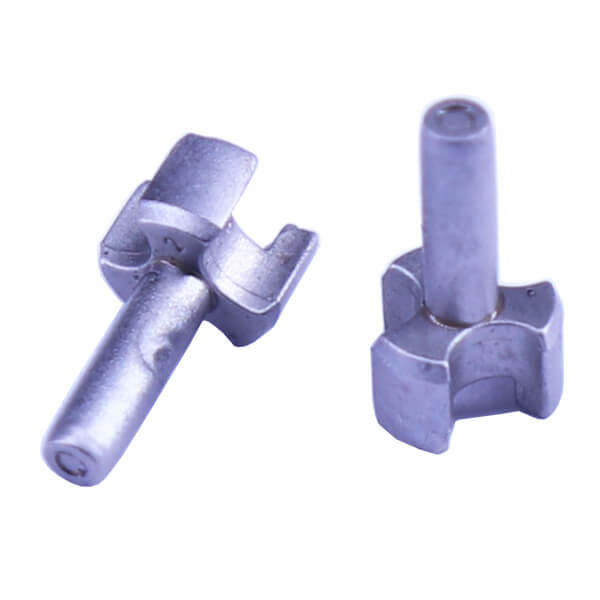
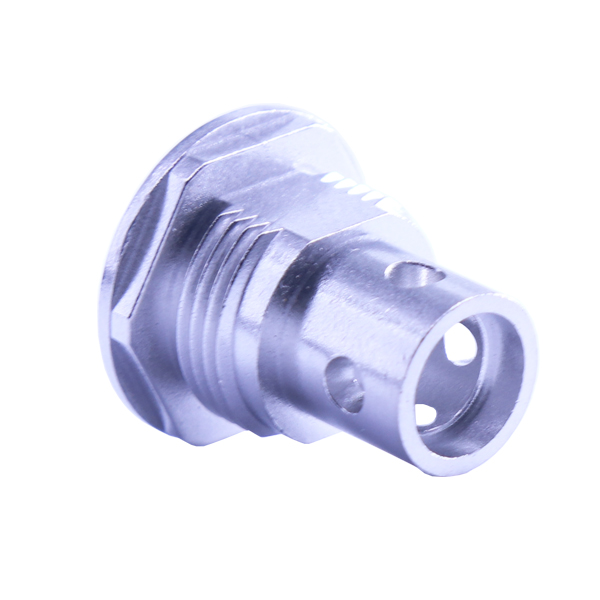
Automobile Dash Board Valve/Auto Instrument Board Valve
Guangzhou Guangming Metal ProductsAutomobile Dash Board Valve/Auto Instrument Board Valve.These components are produced using near-net shape forming, resulting in high-precision parts, reduced waste, and improved efficiency and performance.
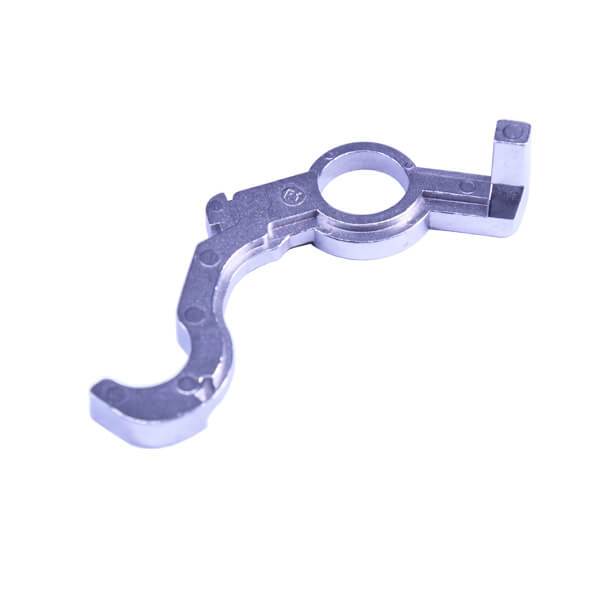
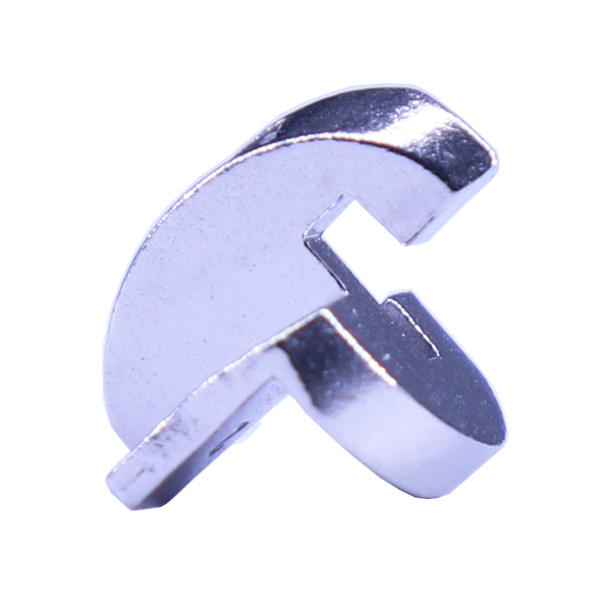
Automobile Door Lock Part
Guangzhou Guangming Metal Products Co.,Ltd specializes in manufacturingAutomobile Door Lock Parts.These components are produced using near-net shape forming, resulting in high-precision parts, reduced waste, and improved efficiency and performance.
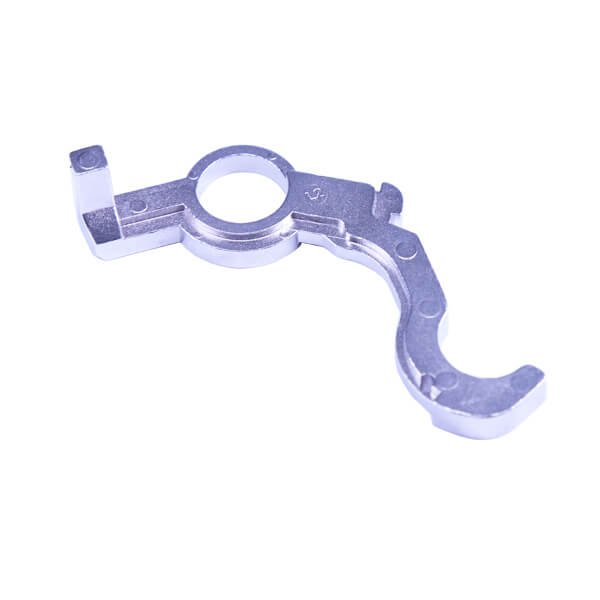
Automobile Door Lock
Guangzhou Guangming Metal Products Co.,Ltd specializes in manufacturingAutomobile Door Lock Parts.These components are produced using near-net shape forming, resulting in high-precision parts, reduced waste, and improved efficiency and performance.
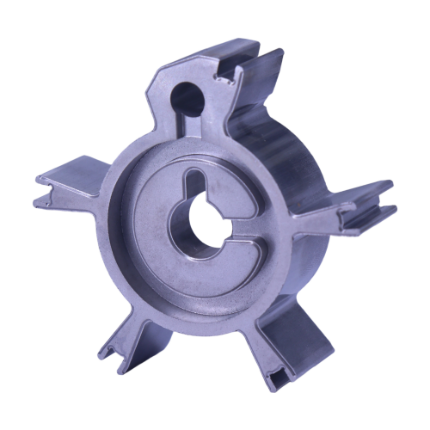
PM Automotive Rotors
Guangzhou Guangming Metal Products Co.,Ltd specializes in manufacturing Powder Metallurgy Automotive Rotors components,which are the core moving parts inside automotive VVT phase shifters.These components are produced using near-net shape forming, resulting in high-precision parts, reduced waste, and improved efficiency and performance.
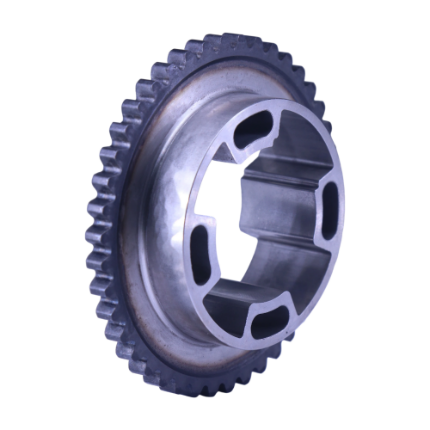
Powder Metallurgy Automotive Petals Stator
Guangzhou Guangming Metal Products Co.,Ltd specializes in manufacturing Powder Metallurgy Automotive Petals Stator EV and traditional vehicle applications.Our PM stators ensure high magnetic efficiency, thermal stability, and long-term reliability under demanding conditions.
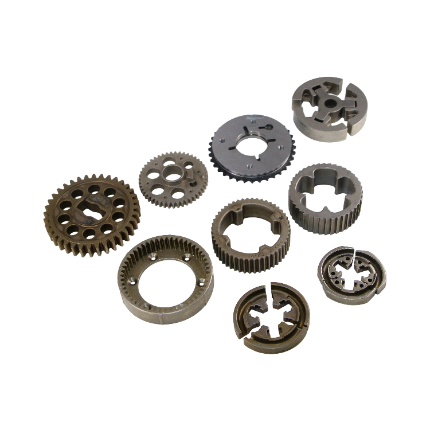
Powder Metallurgy Compaction Automotive Synchronizer Ring
Guangzhou Guangming Metal Products Co.,Ltd is a professional manufacturer of powder metallurgy compaction automotive components. Our automotive synchronizer rings are produced using advanced compaction process with high-quality copper-based or iron-based alloy powder. Through pressing, sintering, sizing, and heat treatment, they feature high density, high strength, excellent wear resistance, impact resistance, and high dimensional accuracy. Widely used in manual transmissions, automatic transmissions, transfer cases, and other automotive drivetrain systems. IATF 16949, ISO 9001 certified, OEM/ODM available.
We manufacture durable, rugged powder metallurgy parts designed for Automotive Parts. Get high-performance components built to withstand demanding environments. Check our price list and purchase high-quality Automotive Parts accessories direct!