China MIM Automotive Parts Manufacturer and Supplier
What Are MIM Automotive Parts?
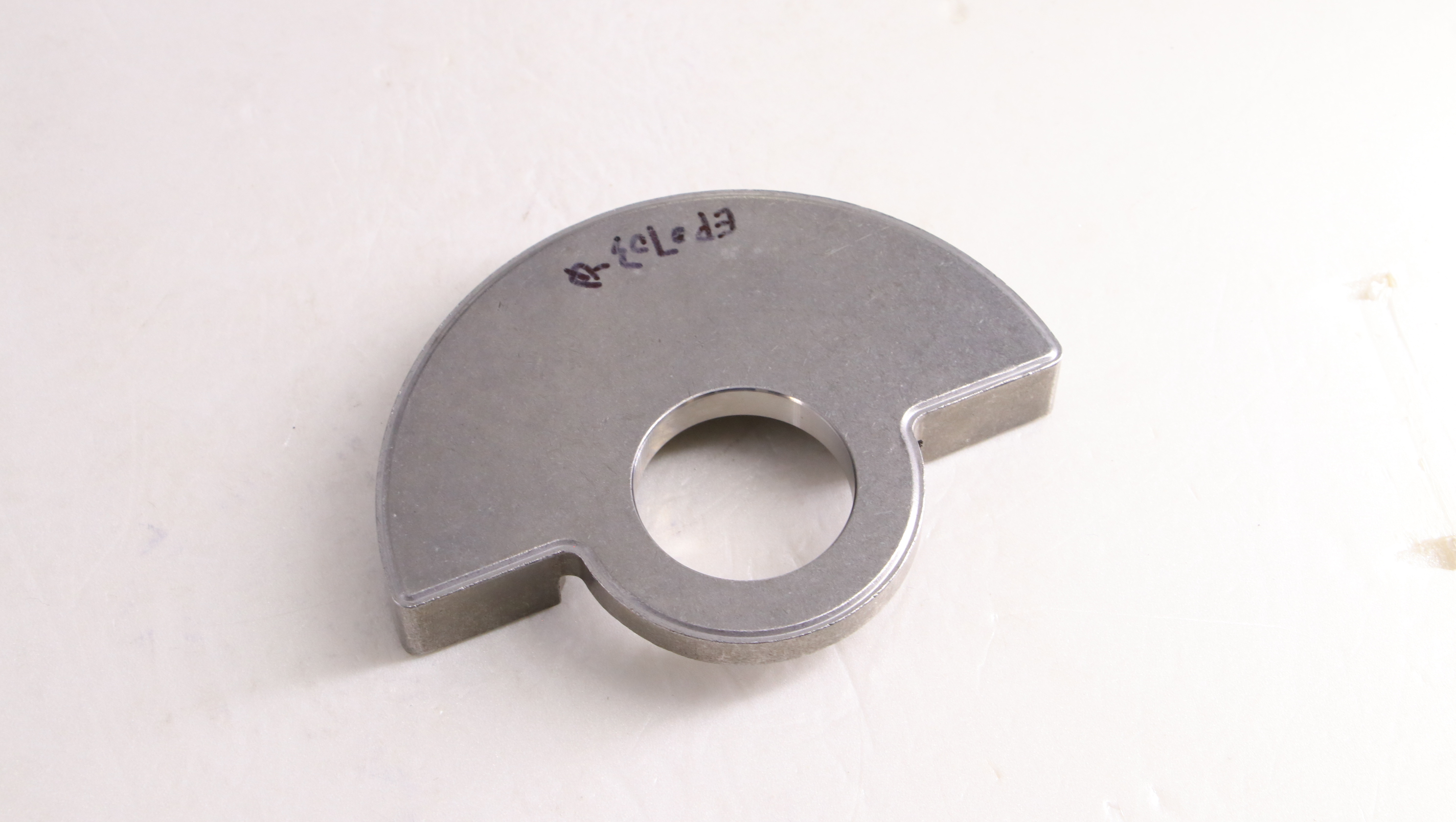
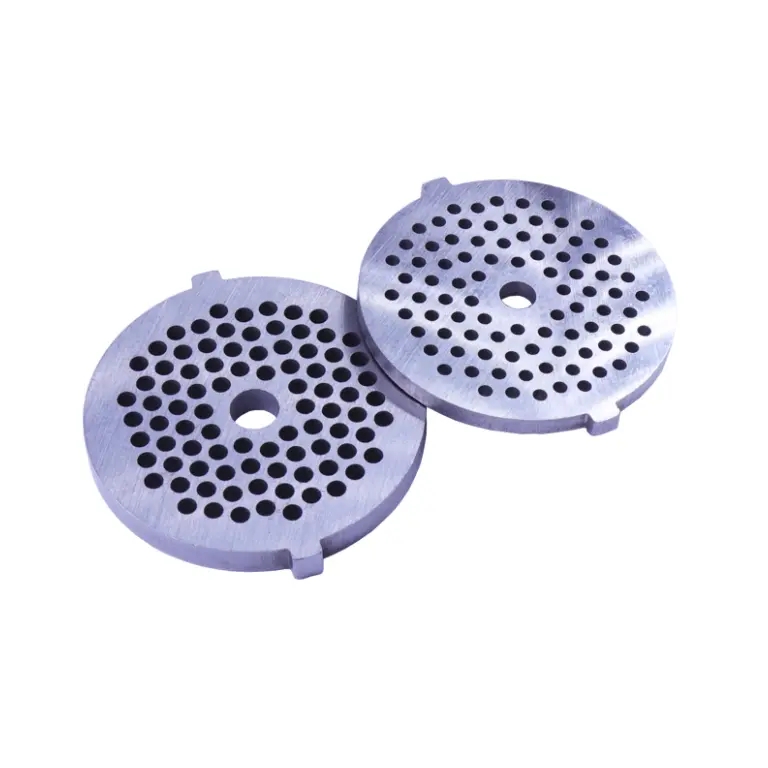
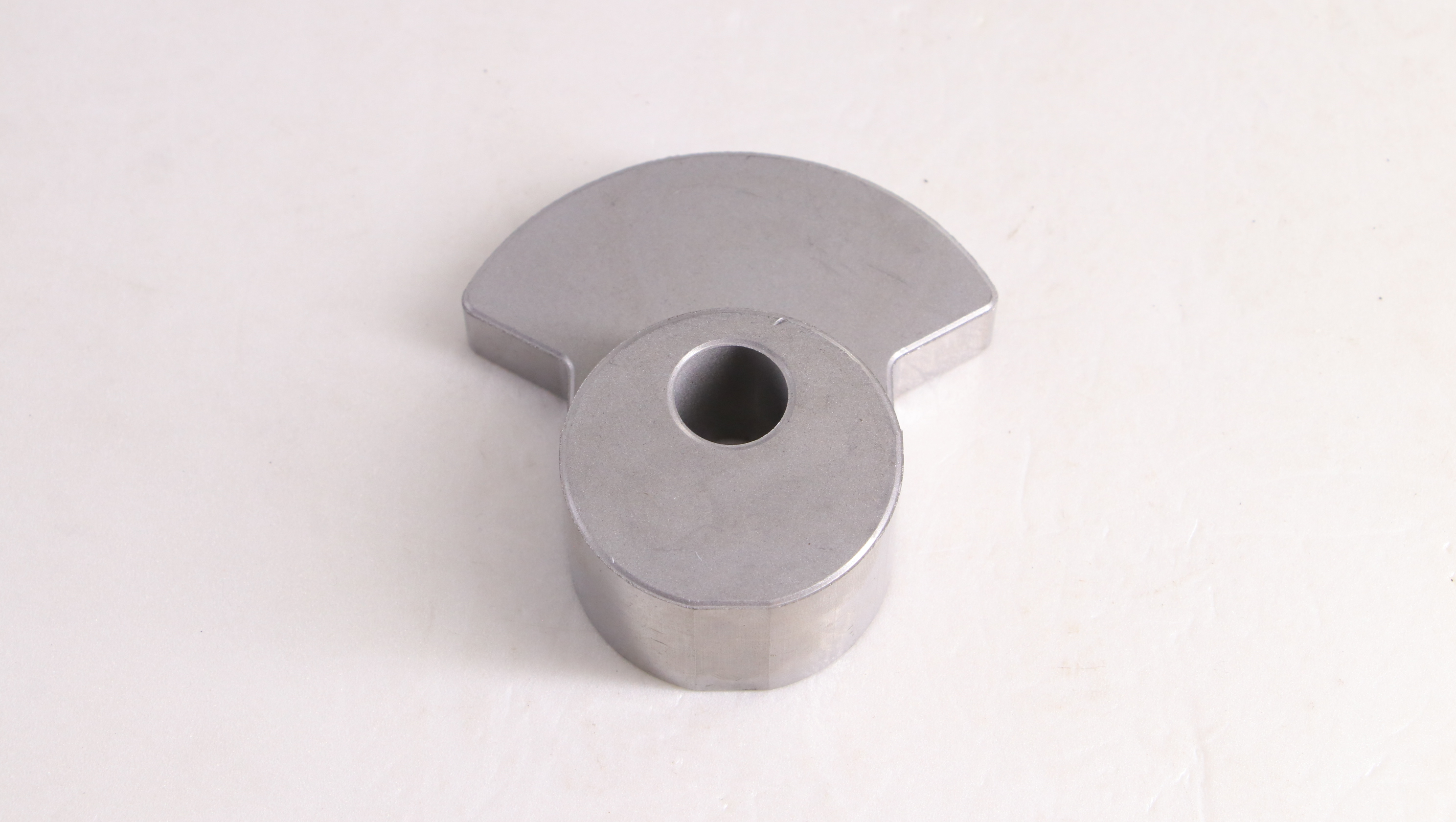
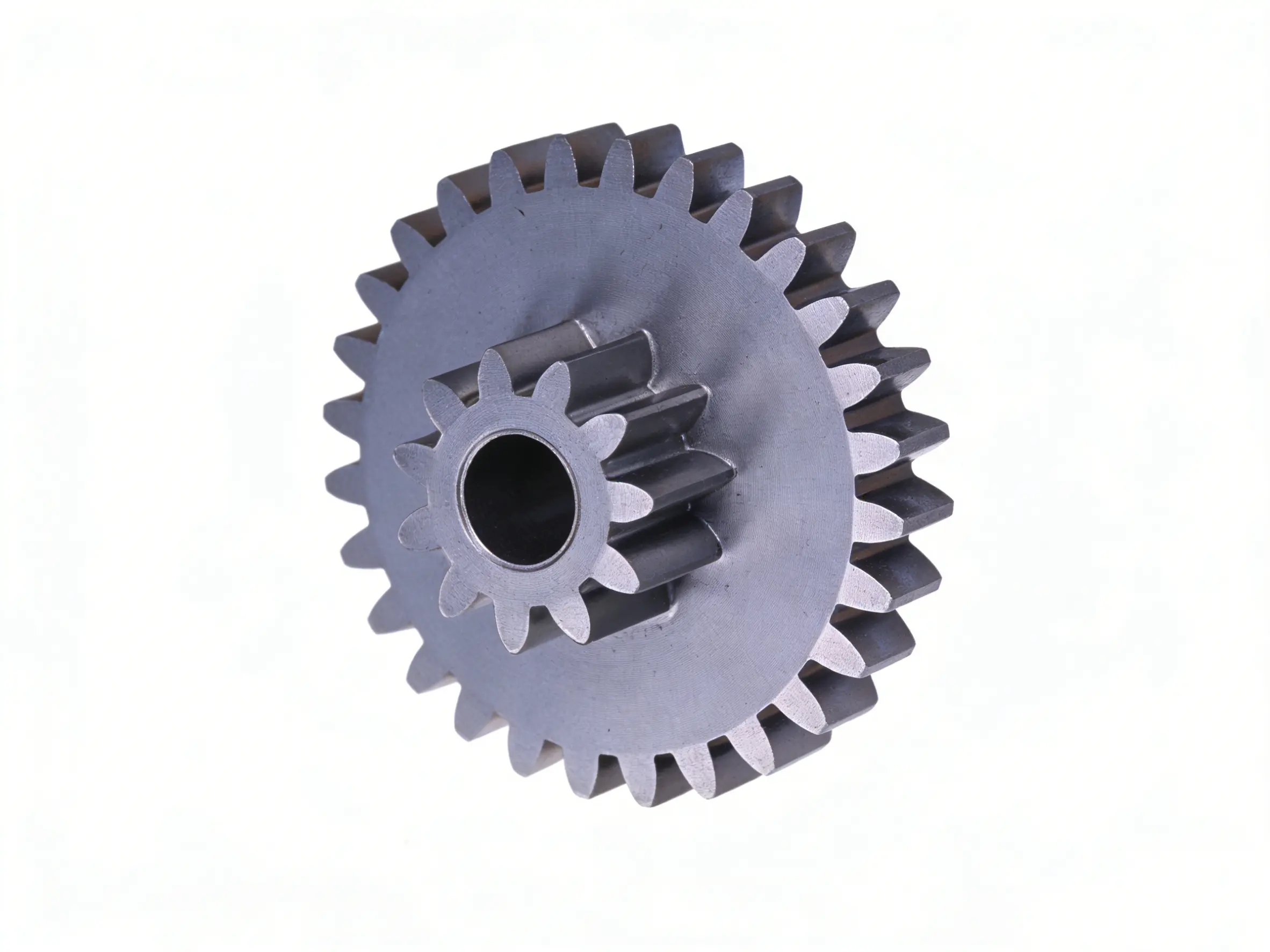
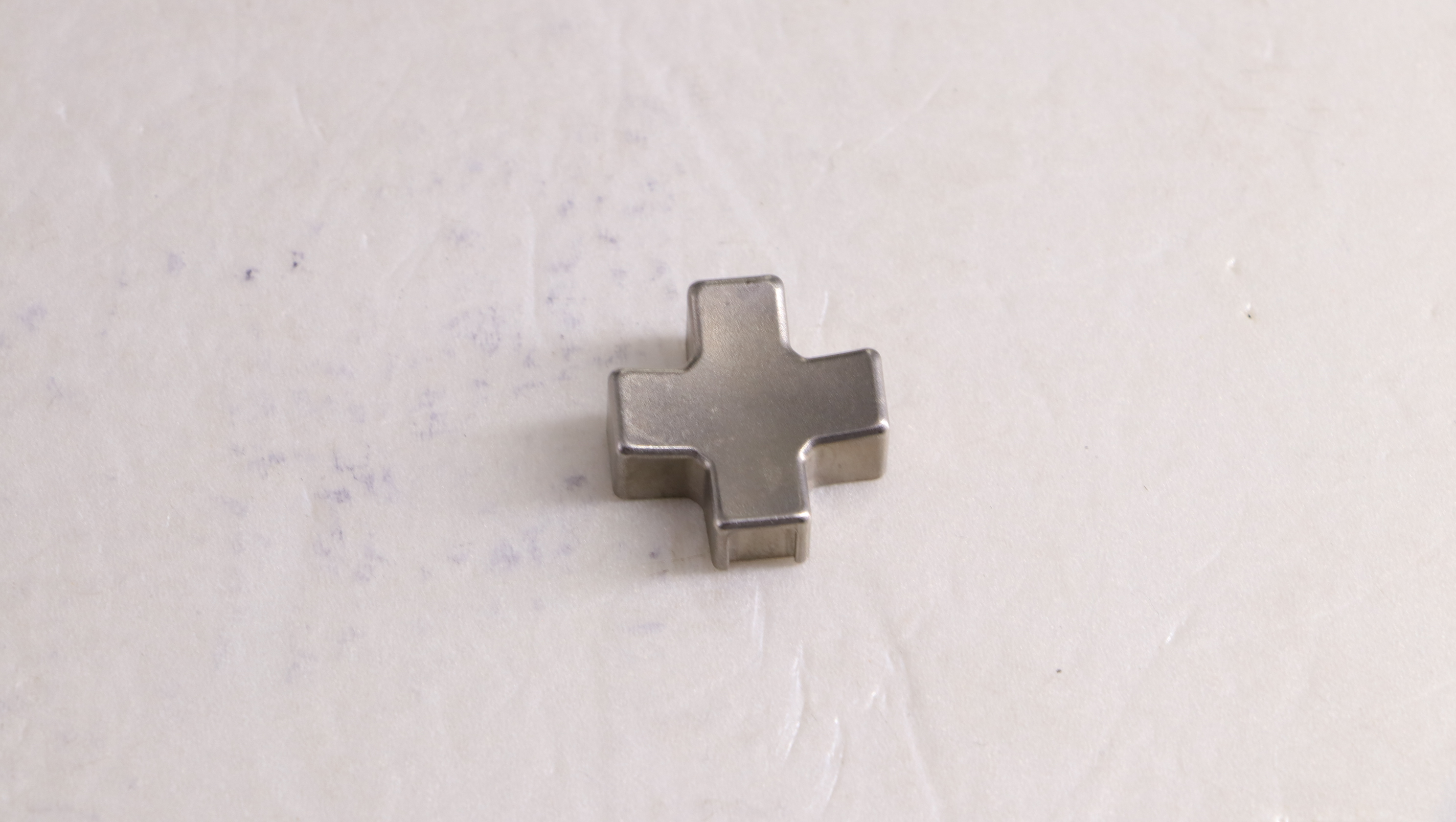
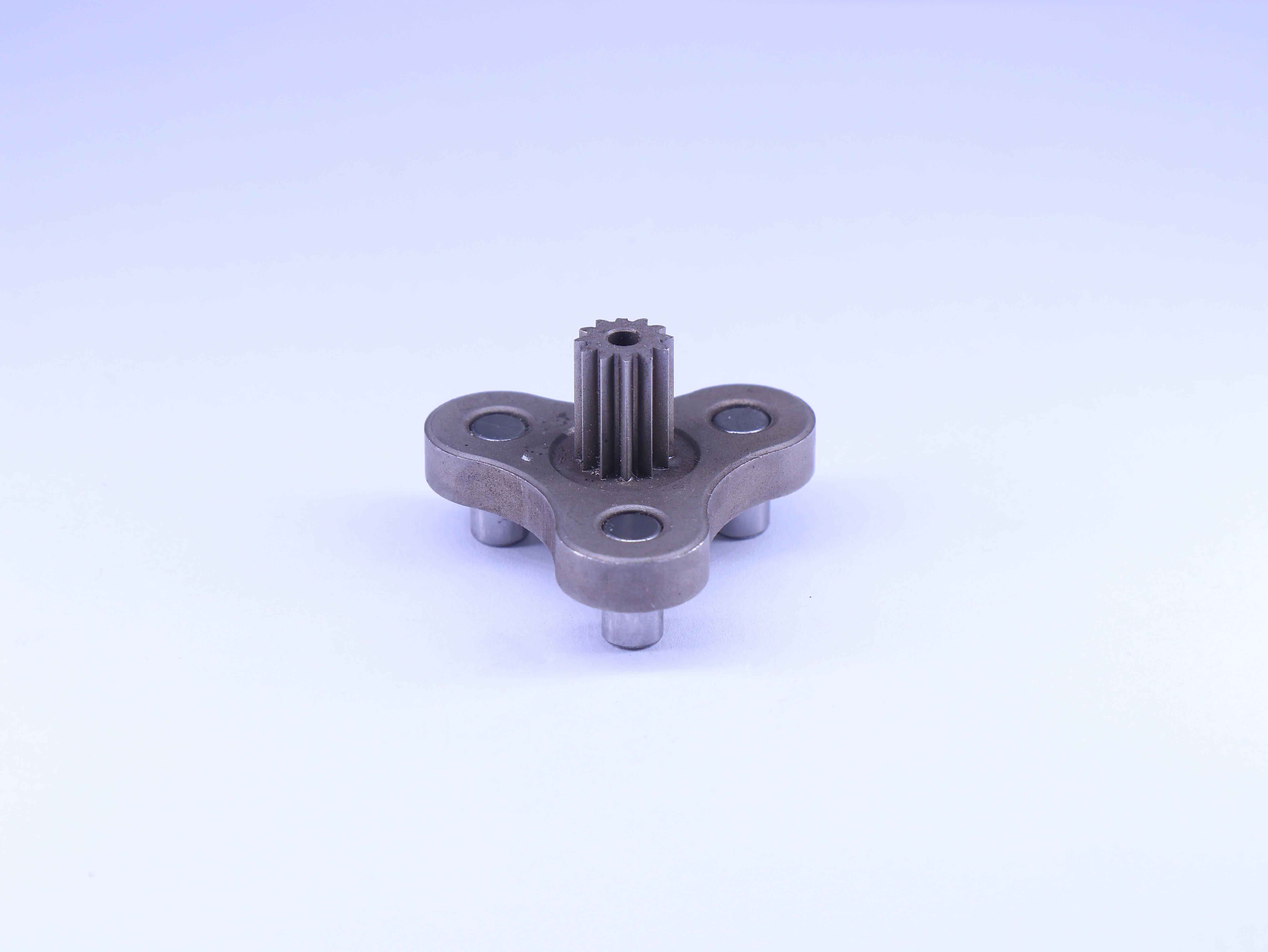
At GM, we specialize in manufacturing high-precision, high-strength MIM automotive parts. Metal Injection Molding (MIM) is an advanced manufacturing process that combines the design flexibility of plastic injection molding with the strength and integrity of wrought metals. This technology is revolutionizing the automotive industry by enabling the production of complex, net-shape components with exceptional mechanical properties at a competitive cost. From intricate fuel system components to durable transmission gears, MIM parts offer unparalleled consistency and performance.
Key Advantages of GM's MIM Technology for Automotive Applications
Why are leading automotive OEMs and Tier 1 suppliers switching to MIM components from GM? The benefits are substantial and address core challenges in modern vehicle design and manufacturing.
- Design Freedom & Complexity: Create complex geometries, internal features, and thin walls that are impossible or prohibitively expensive with machining or stamping.
- Material Versatility: We process a wide range of alloy steels, stainless steels (e.g., 17-4 PH, 316L), and specialty alloys tailored for specific automotive needs like wear resistance or high-temperature performance.
- High Precision & Consistency: Achieve tight tolerances, typically ±0.3% to ±0.5%, with excellent part-to-part repeatability, critical for assembly automation and performance reliability.
- Superior Strength & Performance: Sintered MIM parts achieve 96-99% of theoretical density, resulting in mechanical properties comparable to, and often exceeding, wrought materials.
- Cost-Effectiveness at Volume: Significant reduction in material waste (near-net shape) and secondary operations (like machining) makes MIM highly economical for medium to high-volume production runs.
- Weight Reduction: The ability to design lightweight, consolidated parts contributes directly to improved fuel efficiency and reduced emissions.
Common MIM Automotive Parts Applications at GM
Our components are integral to various vehicle systems. Here is a breakdown of key applications.
| Vehicle System | Example Components | Key MIM Benefit |
|---|---|---|
| Powertrain & Engine | Fuel injector nozzles & bodies, turbocharger vanes, engine valve guides, timing system components, oil pump gears. | High-temperature resistance, wear resistance, precision for fuel efficiency and emissions control. |
| Transmission & Drivetrain | Planetary gear carriers, shift fork pads, synchronizer hubs, differential components, 4WD actuator parts. | High strength and fatigue resistance, complex shapes for weight savings, consistent quality for smooth operation. |
| Safety & Restraint | Airbag sensor components, seatbelt latch parts, pretensioner gears, steering column lock parts. | Ultra-high reliability, precision for critical function, excellent mechanical properties. |
| Body & Chassis | Door lock mechanisms, mirror adjuster gears, window regulator components, seat adjustment parts. | Cost-effective complexity, durability for high-cycle applications, corrosion resistance. |
| Electronics & HVAC | Sensor housings, connector components, actuator gears for flaps and valves, brush holders for motors. | Electromagnetic shielding properties, precision for miniaturization, ability to integrate features. |
MIM Automotive Parts: Frequently Asked Questions (FAQ)
Q: How does the cost of a MIM part compare to a machined or stamped part?
A: For complex geometries in medium to high volumes (typically 10,000+ parts per year), MIM is almost always more cost-effective. The initial tooling investment is higher than for stamping but lower than for many multi-axis machining setups. The primary savings come from dramatically reduced material waste (near-net shape) and the elimination of most secondary machining operations. A single MIM part can often consolidate multiple assembled components, saving additional assembly labor and inventory costs.
Q: What are the limitations on part size and weight with MIM?
A: While MIM technology is continually advancing, practical economic and technical limits exist. At GM, our standard capability range is for parts weighing between 0.1 grams and 250 grams. The maximum dimensions are typically constrained by available press sizes and sintering furnace dimensions, often around 100-150mm in largest dimension. For larger, heavier parts, alternative processes like investment casting or powder forging may be more suitable.
Q: Can MIM parts be heat treated and plated like traditional metal parts?
A: Absolutely. MIM parts from GM are fully sintered to high density, making them perfectly suitable for standard metal finishing processes. We routinely perform heat treatments including carburizing, hardening, and tempering to enhance surface hardness and core toughness. Plating processes like zinc electroplating, nickel plating, and black oxide coating are also standard offerings to provide corrosion resistance and desired aesthetics.
Q: Are MIM parts strong enough for critical, high-stress automotive applications?
A: Yes, this is a common misconception. Properly processed MIM parts, especially from high-quality suppliers like GM, achieve densities exceeding 96%. This results in mechanical properties (tensile strength, yield strength, fatigue resistance) that are virtually identical to wrought or machined materials of the same composition. Our MIM-4600 and 17-4 PH materials, for example, are extensively used in transmission and engine components subject to significant cyclic loads.
Q: What is the typical lead time for prototyping and production with MIM?
A> Lead times vary based on part complexity and order volume. For design validation, GM can supply 3D printed or machined prototypes in 1-3 weeks. For production MIM prototypes from soft tooling, expect 6-8 weeks. Full production hard tooling requires 10-14 weeks for fabrication and sample approval. Once production is approved, cycle times are very fast due to the molding process, allowing for high-volume output and flexible scheduling.
Q: How does GM ensure quality and consistency for automotive MIM parts?
A> GM employs a rigorous quality management system certified to IATF 16949, the global standard for automotive production. Our process control includes statistical process control (SPC) at every stage—feedstock compounding, molding, debinding, and sintering. We perform 100% dimensional checks on critical features for production runs using automated CMMs and optical comparators. Additionally, we conduct regular destructive and non-destructive testing (metallography, tensile tests, CT scanning) to validate material properties and internal integrity, ensuring every batch meets the strictest automotive standards.
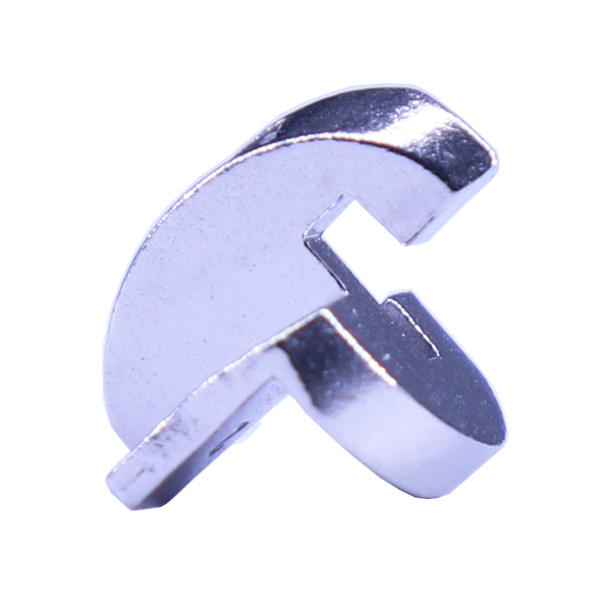
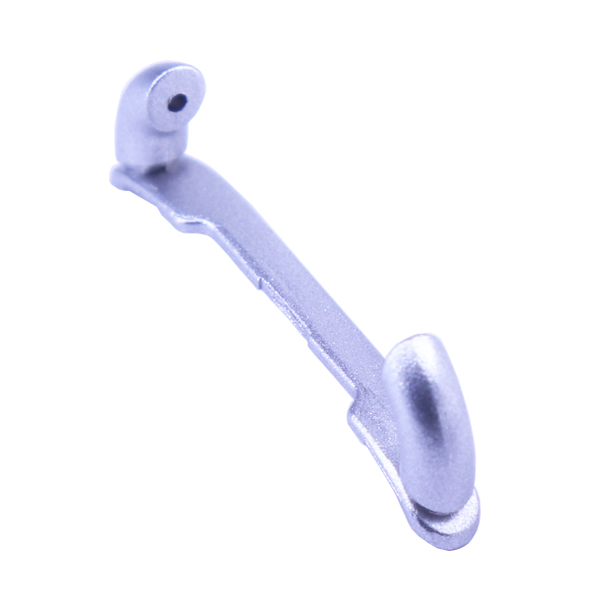
- View as

Automotive Door Lock Assembly
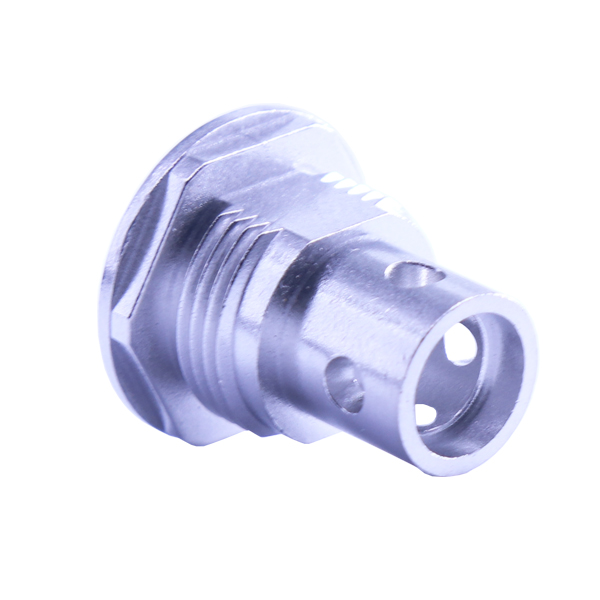
Guangzhou Guangming Metal Products Co.,Ltd specializes in automotive door lock assembly. Our MIM process enables the production of highly complex, net-shape metal parts with exceptional dimensional accuracy, mechanical strength, and surface finish, specifically engineered for the demanding requirements of modern automotive locking systems.

Auto Tailgate Lock
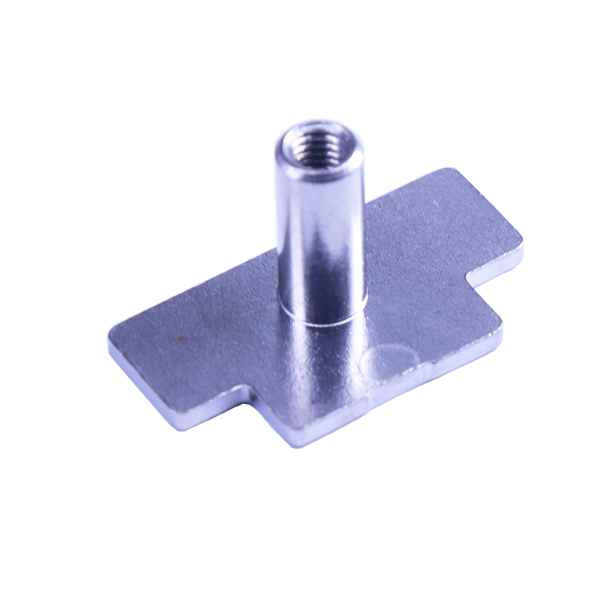
Guangzhou Guangming Metal Products Co.,Ltd specializes in auto tailgate lock components. Our MIM process enables the production of highly complex, net-shape metal parts with exceptional dimensional accuracy, mechanical strength, and surface finish, specifically engineered for the demanding requirements of modern automotive locking systems.
We manufacture durable, rugged powder metallurgy parts designed for MIM Automotive Parts. Get high-performance components built to withstand demanding environments. Check our price list and purchase high-quality MIM Automotive Parts accessories direct!