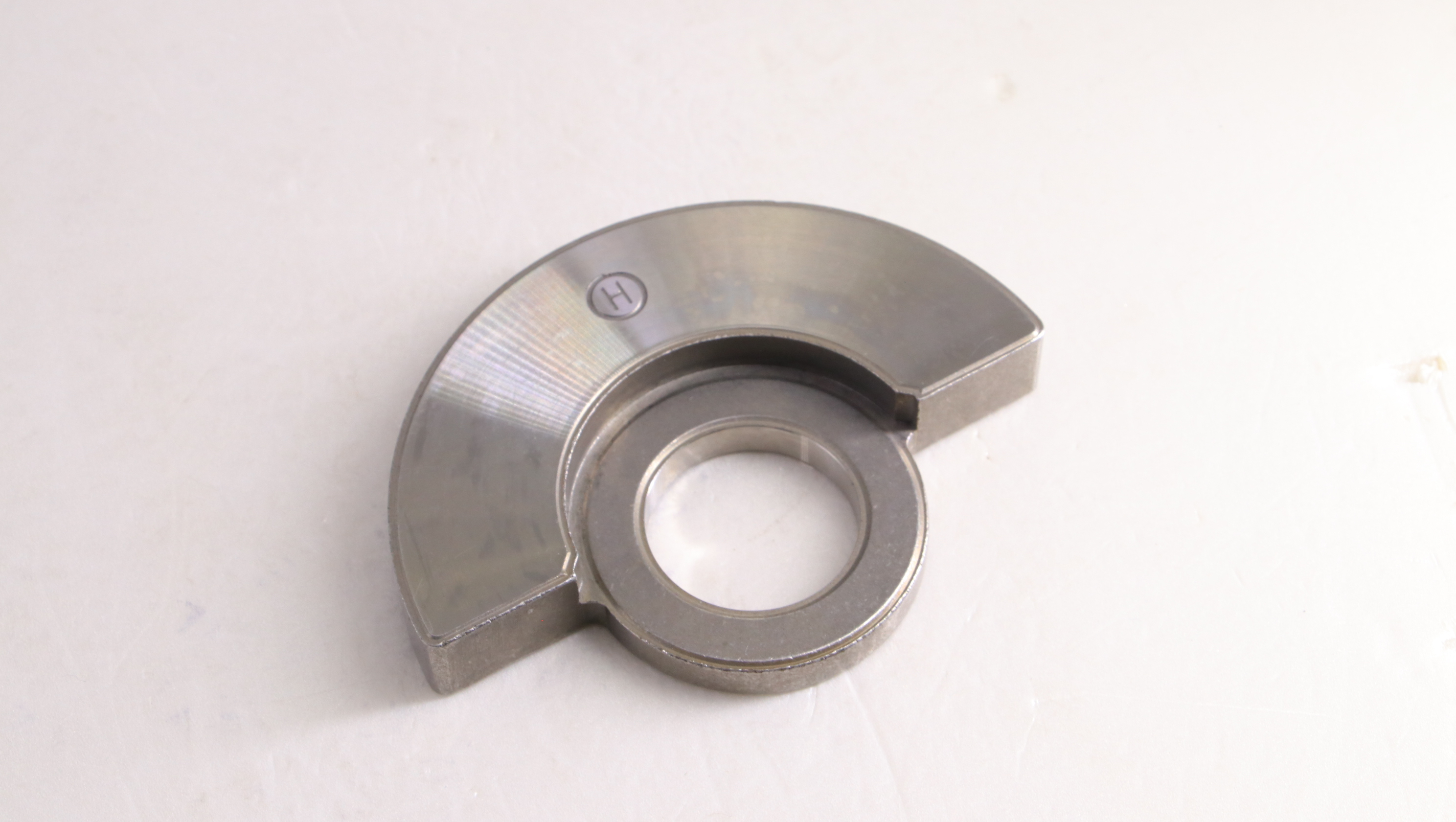
Powder metallurgy, as a near net forming material preparation and product processing technology, has its core advantages derived from the particularity of the process itself, which can solve the material and product needs that are difficult to achieve through traditional melting, forging and other processes. The specific advantages can be divided into two categories: technical performance advantages and economic production advantages:
Technical performance advantages
Can prepare special materials and structures
It can produce porous materials such as oil containing bearings, filter elements, porous electrodes, etc. By controlling the powder particle size and molding pressure, the porosity (5%~50%) can be precisely regulated to meet special functional requirements such as lubrication, filtration, and sound absorption, which cannot be directly achieved by traditional processes.
It can achieve the composite of heterogeneous materials, such as metal ceramics, metal polymers, refractory metals (tungsten, molybdenum) and ordinary metals, to prepare materials with comprehensive properties such as high strength, high wear resistance, and high conductivity, such as hard alloys (tungsten carbide cobalt) and metal based composite materials.
Suitable for processing refractory metals and alloys, tungsten, molybdenum, tantalum and other metals have extremely high melting points (over 2000 ℃), and traditional melting is difficult to form. Powder metallurgy can prepare dense refractory metal products (such as tungsten wires and molybdenum electrodes) through powder forming and high-temperature sintering.
Uniform material organization and stable performance
The raw materials for powder metallurgy are small powder particles, and during the sintering process, atomic diffusion is uniform, which can avoid defects such as component segregation and coarse grains in traditional casting processes, obtain uniform and small equiaxed crystal structures, and improve the comprehensive mechanical properties such as strength, toughness, and wear resistance of materials.
For example, powder high-speed steel has a uniform and fine distribution of carbides, and its wear resistance and red hardness far exceed those of cast high-speed steel; The fatigue life of turbine discs made of powder high-temperature alloys is several times longer than that of castings and forgings.
Near net forming, high dimensional accuracy
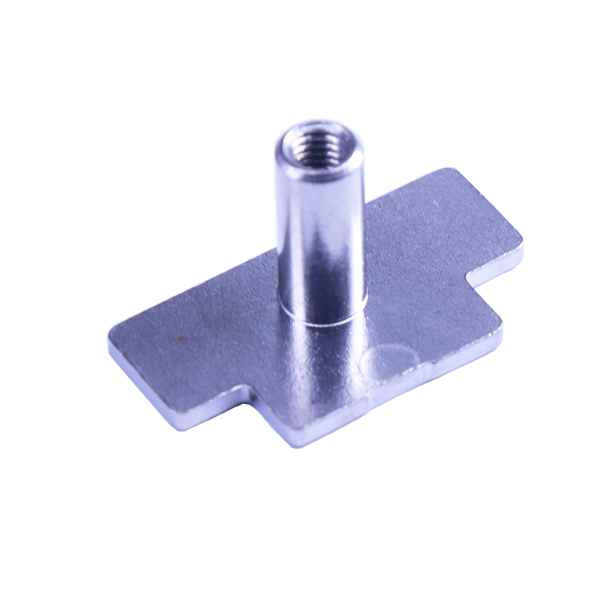
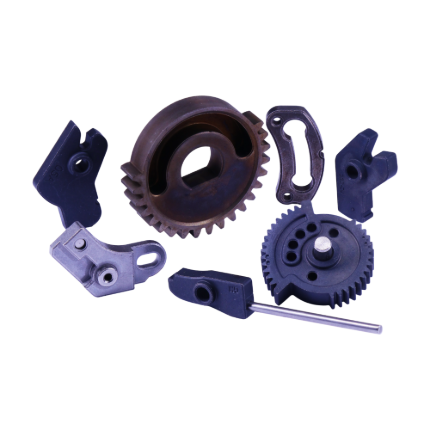
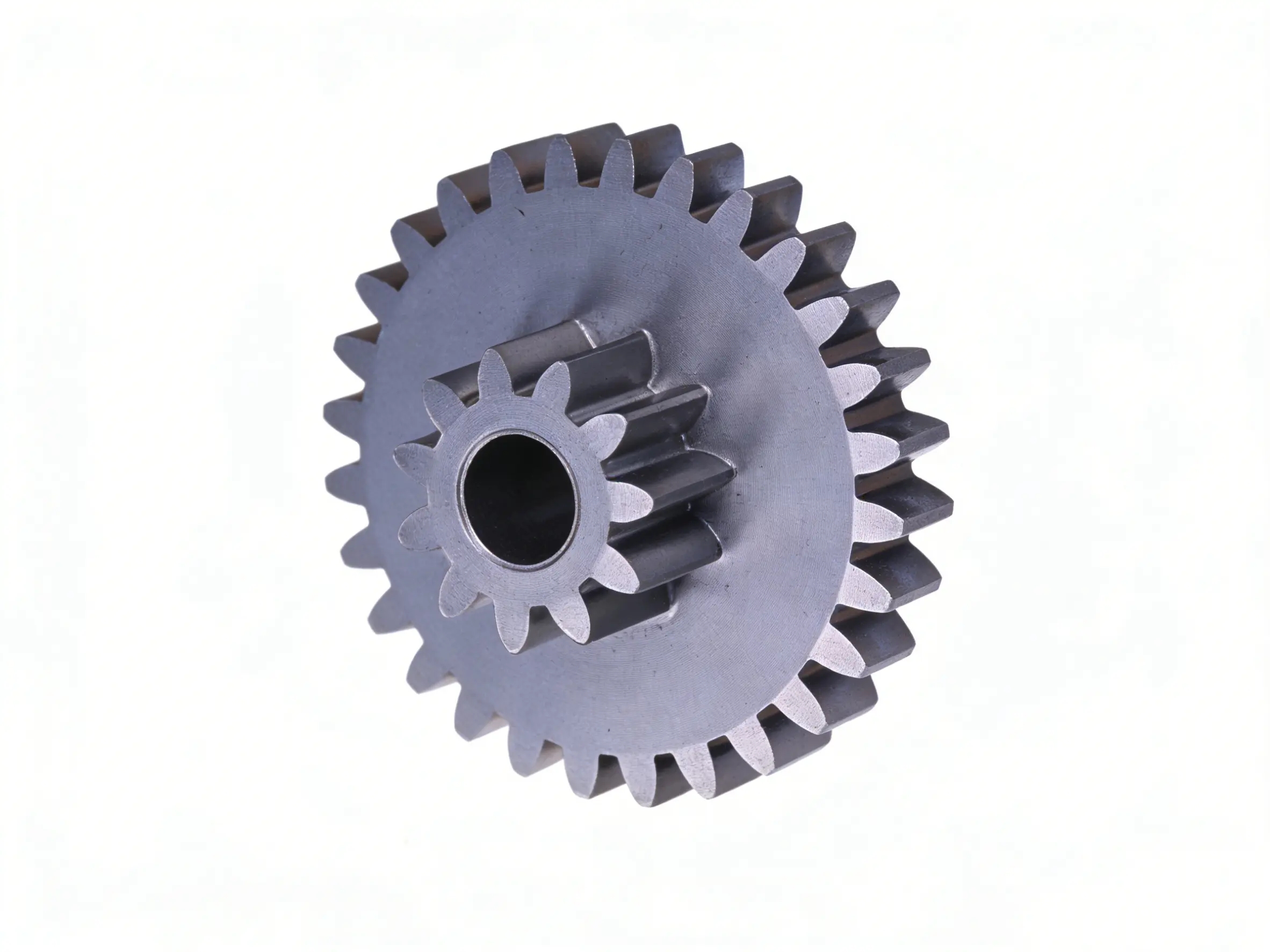
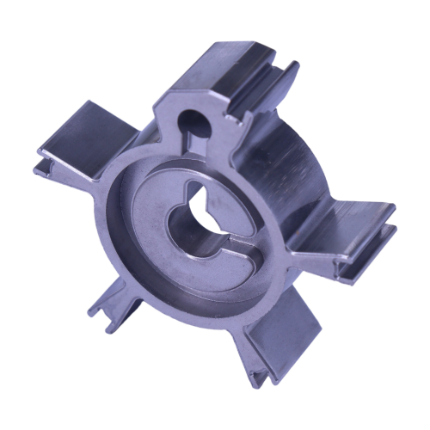
The size change of the formed blank can be controlled after sintering, and high-precision complex shaped products (such as gears, cams, and irregular parts) can be directly manufactured, reducing subsequent machining processes. The size tolerance can be controlled within ± 0.1mm, and some precision parts can reach ± 0.01mm.
Economic production advantage
High material utilization and cost reduction
The material utilization rate of traditional forging and cutting processes is usually less than 40%, while the material utilization rate of powder metallurgy can reach over 95%, greatly reducing metal waste, especially suitable for the processing of precious metals such as platinum, titanium, and high-speed steel.
Suitable for batch automated production
The molding, sintering and other processes are easy to implement automated assembly line operations, with high production efficiency and significantly reduced single piece production costs as the batch size increases. They are particularly suitable for large-scale standard part production in industries such as automobiles and home appliances (such as engine valve seat rings, clutch plates, sensor parts).
Energy saving and environmental protection, green process
No need for high-temperature melting, the sintering temperature is usually lower than the melting point of the material (such as the sintering temperature of steel powder is about 1100-1300 ℃, much lower than the casting temperature of over 1500 ℃), resulting in lower energy consumption; And the dust and exhaust emissions during the process are controllable, and waste products can be directly crushed into powder for recycling, which meets the requirements of circular economy.
Powder metallurgy, metal injection molding, powder metallurgy gears
Guangming Group focuses on the research and development of metal forming technology and wear-resistant materials. Its main products include metal compression molding and injection molding powder metallurgy products. The company has a team of high-quality talents, with the founding team originating from the Guangzhou Nonferrous Metals Research Institute, a directly affiliated national and ministerial level scientific research institution. It has rich industry experience and research and development capabilities, providing a continuous source of innovation power for the company's development. The company has successively obtained 5 invention patents and more than 30 utility model patents. It has passed the IATF16949 quality management system, ISO9001-2015 quality management system, ISO14001 environmental management system, intellectual property management system, and obtained international trademark certification. It is an innovative enterprise in Guangdong Province, a small giant enterprise in science and technology in Guangzhou, a member of the Guangdong Powder Metallurgy Industry Technology Innovation Alliance, and an initiator of the Guangzhou Advanced Powder Metallurgy Cluster Promotion Center.
We use cookies to offer you a better browsing experience, analyze site traffic and personalize content. By using this site, you agree to our use of cookies. Privacy Policy