English Translation (B2B industrial version, suitable for LinkedIn / company profile / overseas brochure)
Six Development Trends of Powder Metallurgy (PM) and MIM for Cost Reduction in Humanoid Robots
Core Logic: PM delivers extreme cost reduction for mass-produced standard transmission components; MIM manufactures complex integrated micro-structural parts. Instead of simply replacing CNC machining, both processes are deeply brought forward into the robot design phase to achieve synergistic cost reduction through “material-structure-process”, shifting cost optimization from component level to module level.
I. Differentiated Process Positioning and Standardized PM+MIM Selection System
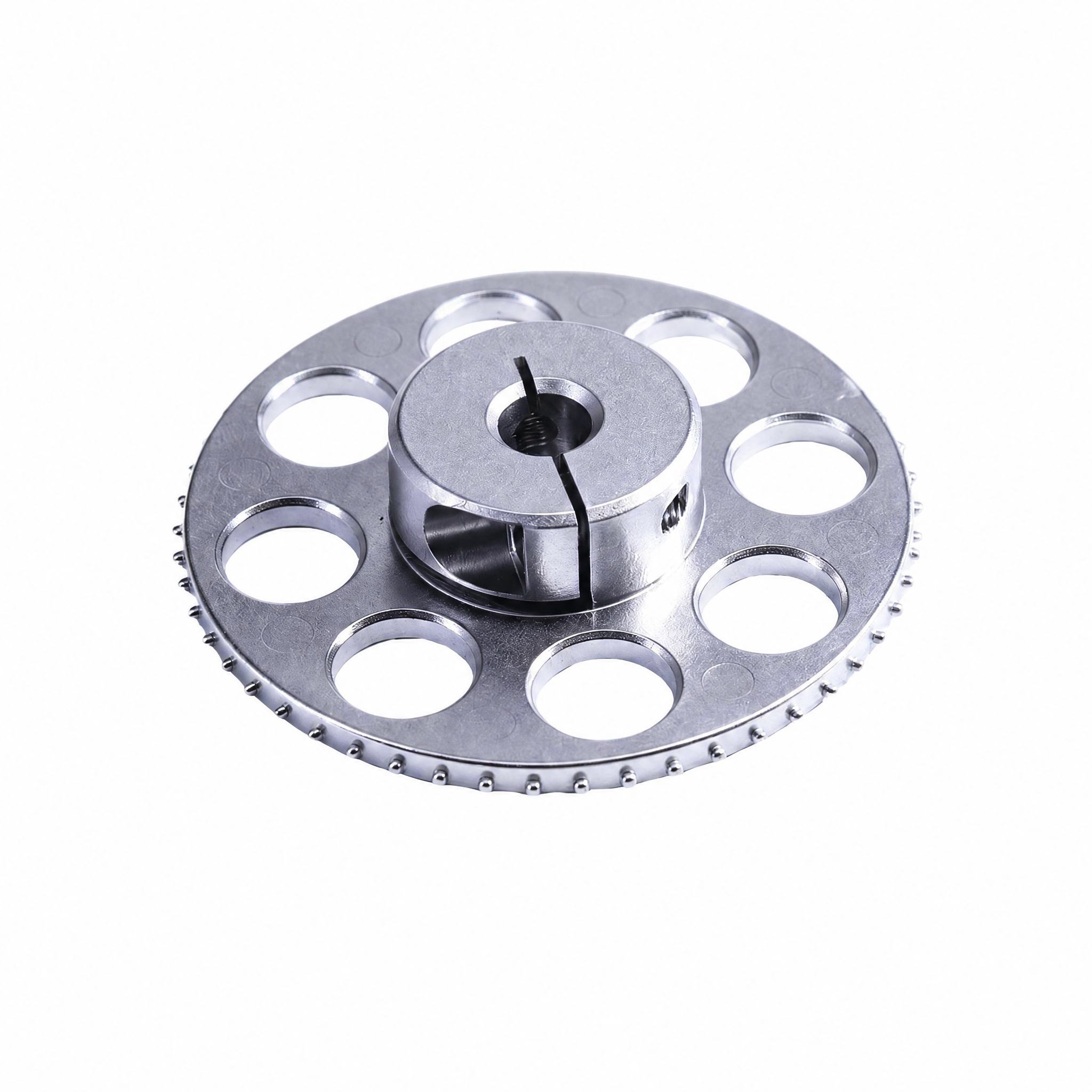
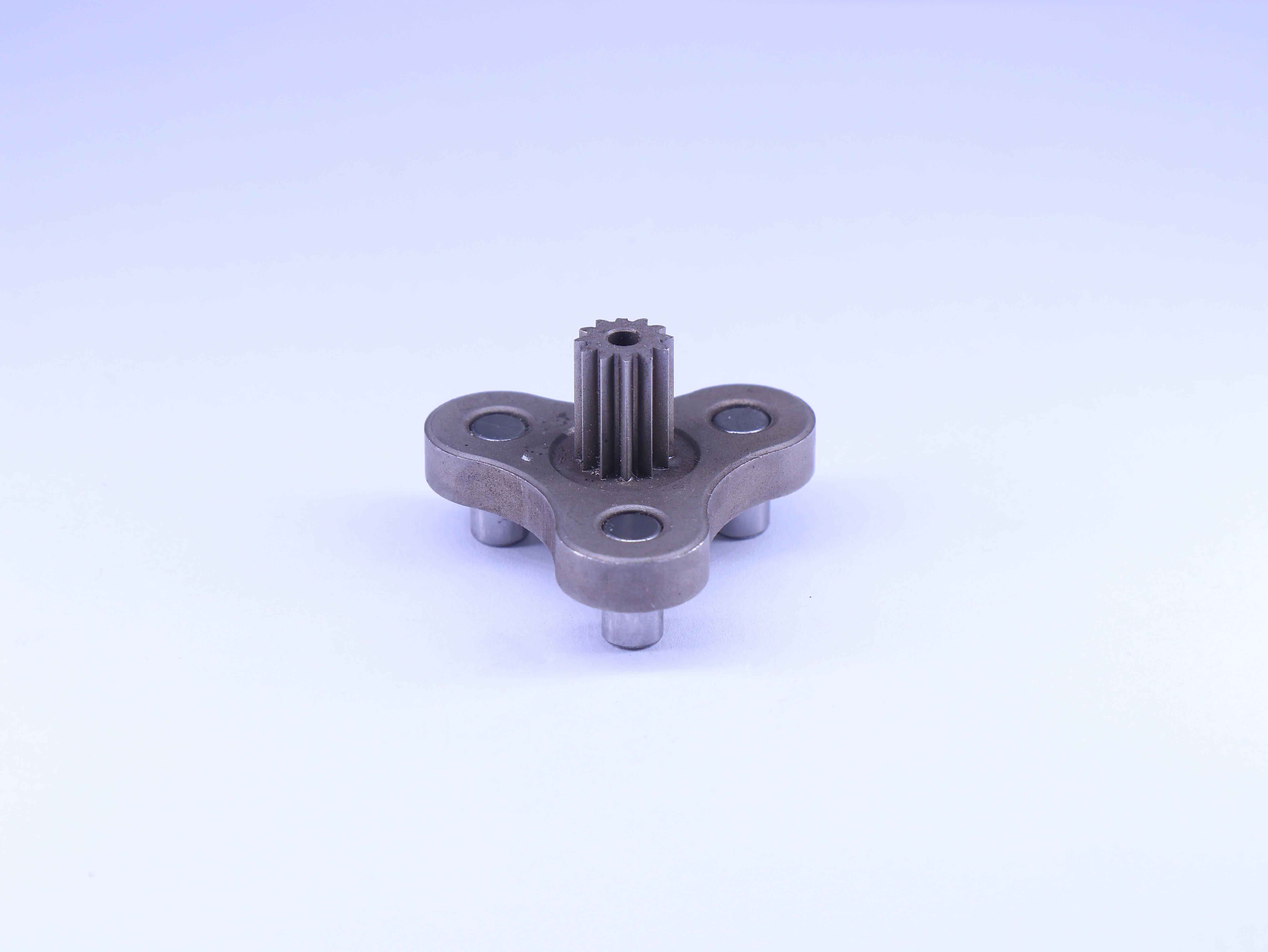
1. Conventional Powder Metallurgy (PM): Targets medium-to-low load, simple-shape, high-volume parts such as planetary gears, oil-impregnated bearings and basic transmission teeth. It continues to optimize high-density warm compaction and copper infiltration processes to drive unit cost to the minimum. Leveraging controllable porosity, PM can precisely tune thermal expansion coefficient and self-lubricating performance to match gear clearance simulation and cut overall machine commissioning costs.
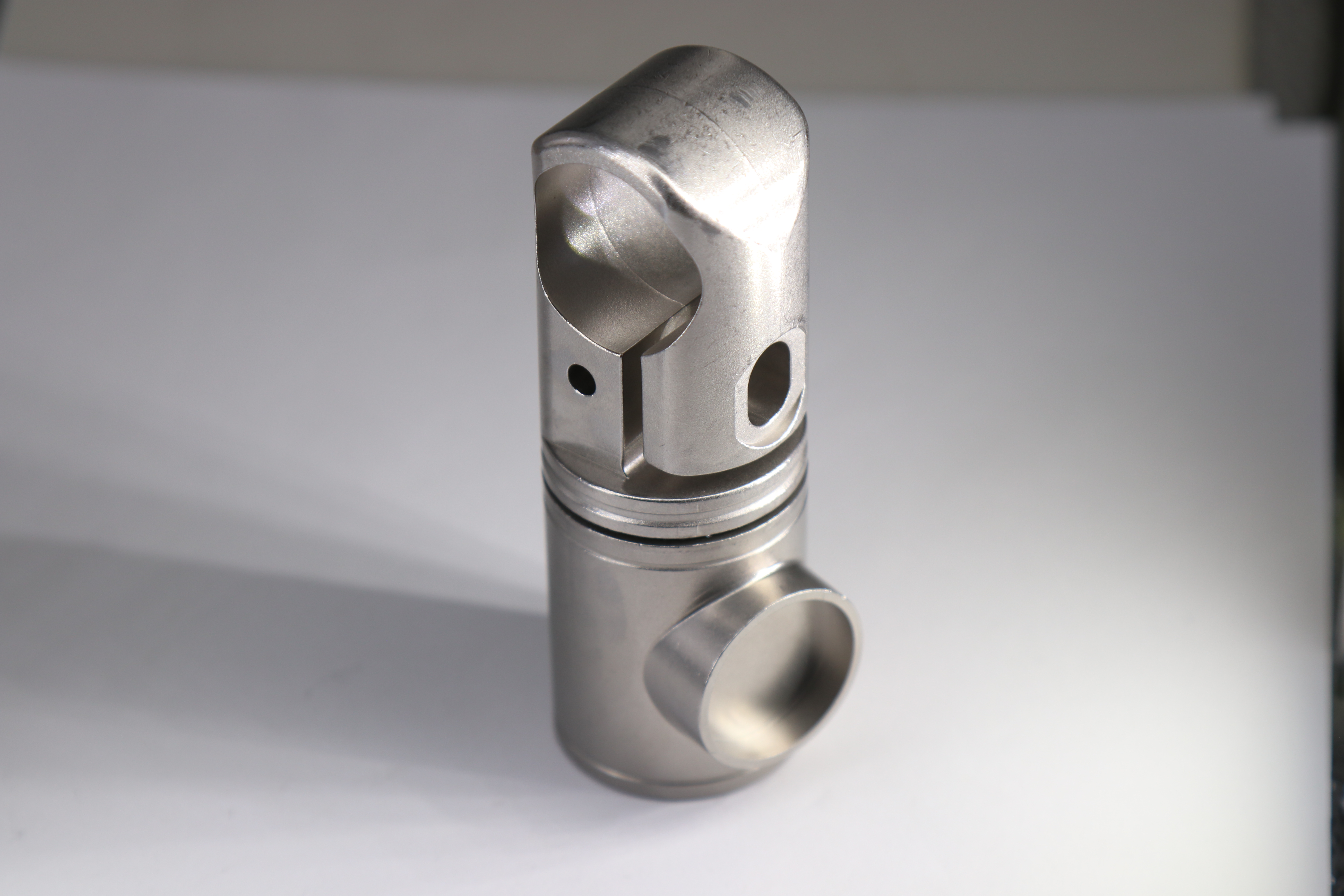
2. MIM: Focuses on complex irregular parts under 200g, including dexterous finger bones, micro double gears, small harmonic reducer components, sensor bases, and integrated brackets with undercuts or thin walls. Its key advantage is that part complexity does not add manufacturing cost and enables integrated forming of multiple features.
Trend: Robot OEMs will build material & process selection databases with clear definitions: simple gears → PM; thin-wall, undercut, multi-feature integrated parts → MIM; prototype & low-volume batches → CNC. This reduces trial-and-error costs in process selection.
II. Integrated Part Consolidation: Cost Reduction Evolves from Component Savings to Assembly Reduction (Most Critical Trend)
At present, many robot joints and dexterous hands are assembled from multiple discrete parts with numerous screws and locating pins, leading to high assembly labor and accumulated tolerance errors.
Mainstream MIM direction in the future: Topology optimization to combine 3–8 separate components into a single integrated sintered part. It can directly integrate gears, shaft seats, positioning slots, oil paths and wiring channels, eliminating fasteners, shortening assembly procedures and reducing tolerance chains. Meanwhile, weight can be cut by 20%–30% to extend battery life.
PM is advancing composite compaction: integrated blanks of combined gears or gear-bearing assemblies to minimize secondary machining.
Shift in cost logic: Historically, cost savings mainly came from raw material savings. Future optimization will focus on lowering total costs including assembly, fasteners, inspection and after-sales failure expenses.
III. Scaling Up Upstream Raw Materials and Production Lines to Lower PM/MIM Entry Barriers
1. Localized metal powders & low-cost ultra-fine powders: The largest raw material cost of MIM lies in ultra-fine stainless steel / alloy steel powder. Expanded domestic powder capacity and replacement of gas-atomized powder with water-atomized powder directly cut feedstock costs. Costs of reduced iron powder and pre-alloyed powder for PM keep declining.
2. Continuous debinding and sintering, low-temperature rapid sintering: Traditional MIM uses batch furnaces with high energy consumption and long cycle times. Popularization of continuous debinding-sintering lines shortens sintering cycles, raises yield rates and amortizes per-unit energy costs.
3. Rapid tooling / soft mold technology: Addresses MIM’s pain points — high mold cost and expensive design revisions. Rapid MIM prototyping enables low-cost sampling at the prototype stage, supporting fast iteration for robot development. The batch threshold between CNC and MIM will be lowered (the traditional break-even point is 10,000 pieces and is expected to drop to several thousand pieces).
IV. Customized Materials: Tunable Density, CTE and Strength for Diverse Robot Operating Conditions
1. Graded-density powder metallurgy: A single part with high density locally on load-bearing gear surfaces and porous regions for self-lubrication / lightweighting. One component achieves strength, weight reduction and self-lubrication simultaneously — a unique advantage of PM.
2. MIM multi-material co-injection molding: Two alloys applied to different zones of one part. For example, wear-resistant alloy steel on gear working surfaces and lightweight low-expansion alloy for the substrate. Local strengthening avoids using expensive alloy for the whole component.
3. Alloy systems with controllable coefficient of thermal expansion (CTE): For joint gear sets, PM/MIM materials matched to the CTE of mating components are developed to reduce gear clearance variation under high and low temperatures, ease thermal calibration of the whole machine and lower failure risks (consistent with the CTE characteristics of PM gears mentioned above).
4. Expanded lightweight materials: Low-alloy steel and titanium alloy MIM will see wider adoption for lightweight dexterous hands.
V. Simplified Post-processing & In-line Inspection to Improve Yield and Reduce Secondary Machining Costs
Currently, MIM parts often require CNC finishing, grinding and heat treatment after sintering, which accounts for substantial hidden costs.
- Upgraded mold shrinkage compensation and mold flow simulation improve near-net-shape precision, targeting minimal or even zero machining after sintering.
- In-situ heat treatment and synchronous carburizing during sintering eliminate separate quenching and tempering processes.
- Machine vision + CT in-line non-destructive testing automatically screens internal pores and cracks, cutting manual inspection costs and ensuring consistency in mass production.
Industry pain point: Tiny internal pores in MIM parts impair fatigue life. Special defect standards for robot alternating load applications will be established to classify and control porosity. Instead of blindly pursuing full densification, manufacturers will balance cost and performance while meeting service life requirements.
VI. Transformation of Supply Chain Model: From Pure Component Supplier to Module Delivery
1. Powder metallurgy / MIM manufacturers will no longer only supply loose parts. Value will extend upstream: pre-assembled micro gearbox modules combining MIM gears and PM bearings can be delivered to robot OEMs ready for joint installation. Assembly, running-in and inspection are handled by specialized upstream factories, easing production pressure on humanoid robot makers.
2. Cross-industry capacity reuse: Mature automotive PM production lines can be retrofitted to produce robot gears, leveraging the scale advantages of automotive supply chains, reducing investment in new production lines and accelerating cost reduction.
Powder Metallurgy, Metal Injection Molding, Powder Metallurgy Gears
Guangming Group specializes in R&D and manufacturing of metal forming technology and wear-resistant materials. Its main products include powder metallurgy parts made by metal compaction and injection molding.
The company has a high-caliber talent team. Its founding team originates from Guangdong Institute of Nonferrous Metals, a research institute directly under a former national ministry. With rich industry experience and strong R&D capabilities, the team provides continuous innovation momentum for the enterprise.
The group holds 5 invention patents and more than 30 utility model patents. It has obtained certifications including IATF16949, ISO9001-2015, ISO14001, Intellectual Property Management System and international trademark registration. It is an Innovative Enterprise of Guangdong Province, Guangzhou Science & Technology Little Giant Enterprise, director unit of Guangdong Powder Metallurgy Industry Technology Innovation Alliance, and initiator of Guangzhou Advanced Powder Metallurgy Cluster Promotion Center.
We use cookies to offer you a better browsing experience, analyze site traffic and personalize content. By using this site, you agree to our use of cookies. Privacy Policy



![Guangming Group Today Shares: Reducer Gear [Core Basic Parameter List]](https://www.pmsino.com/upload/8688/20260731184314420743.jpg "Guangming Group Today Shares: Reducer Gear [Core Basic Parameter List]")