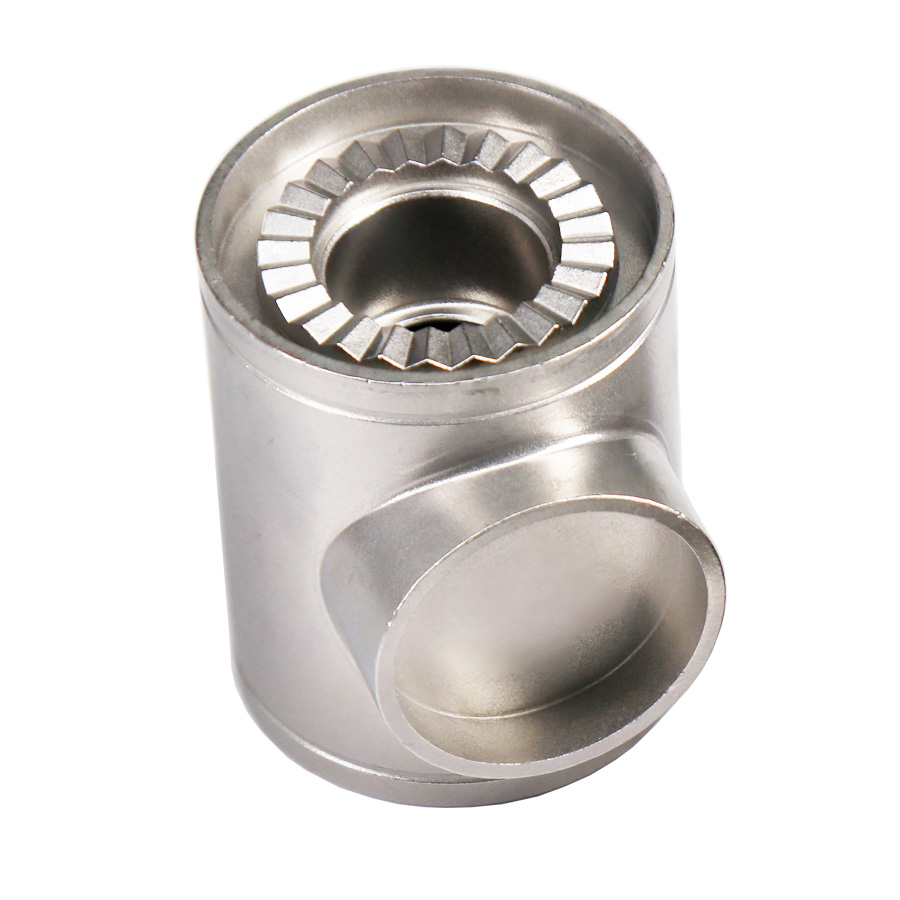
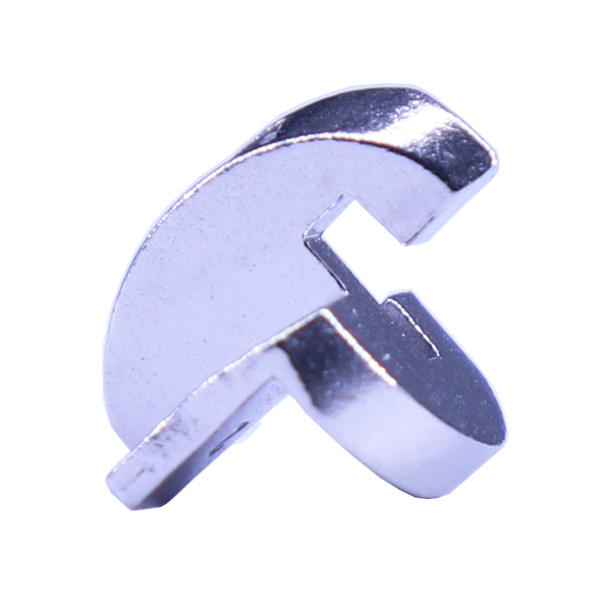
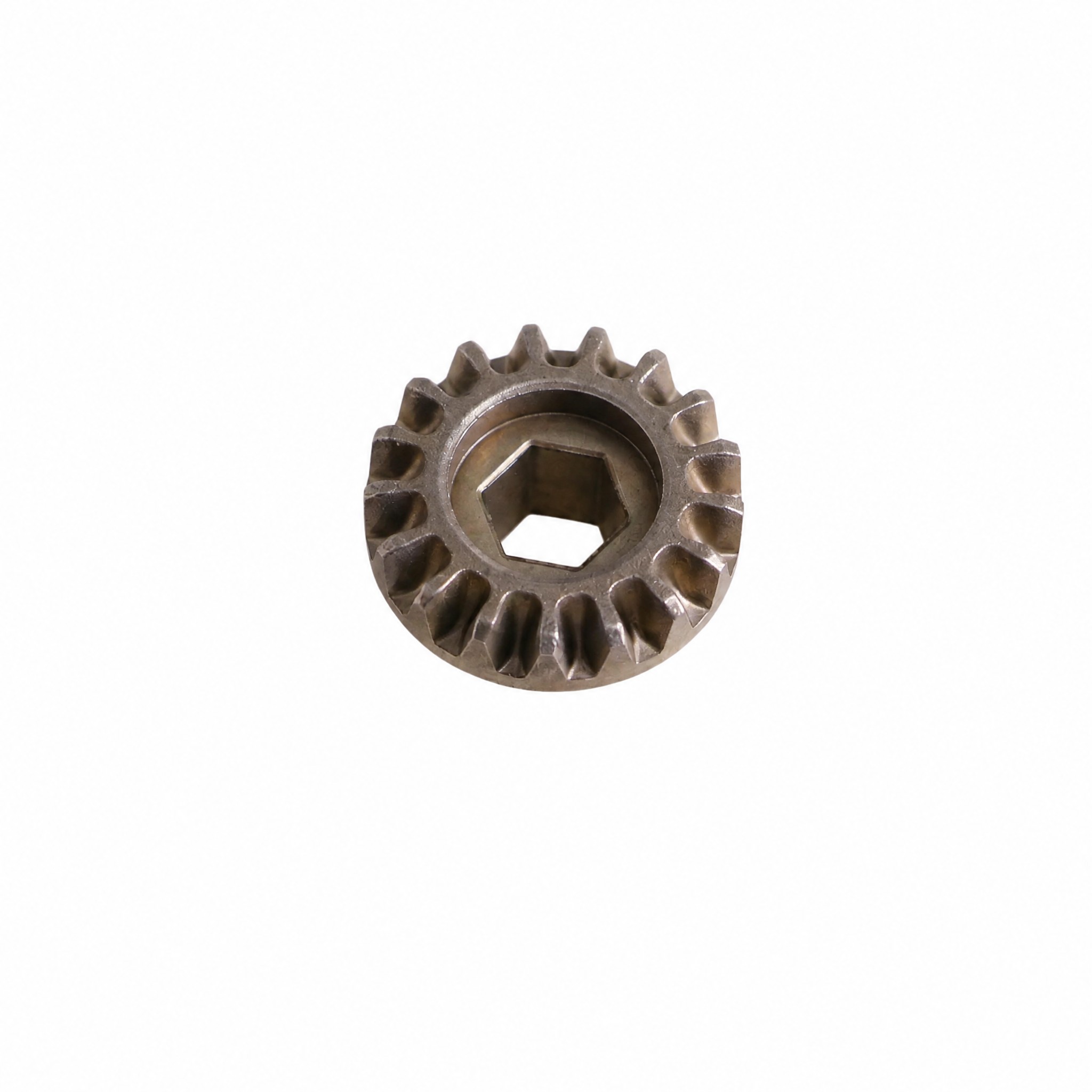
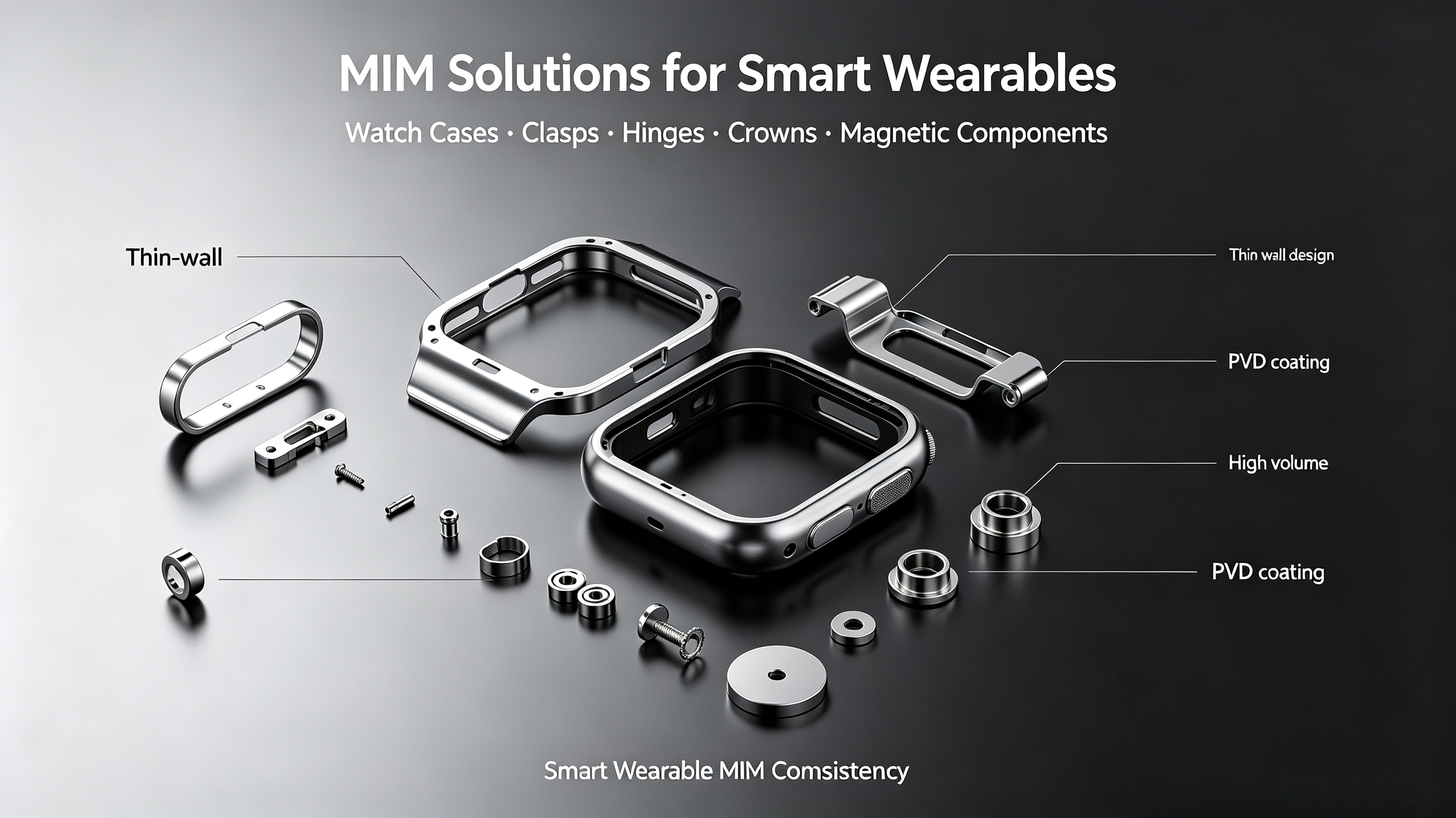
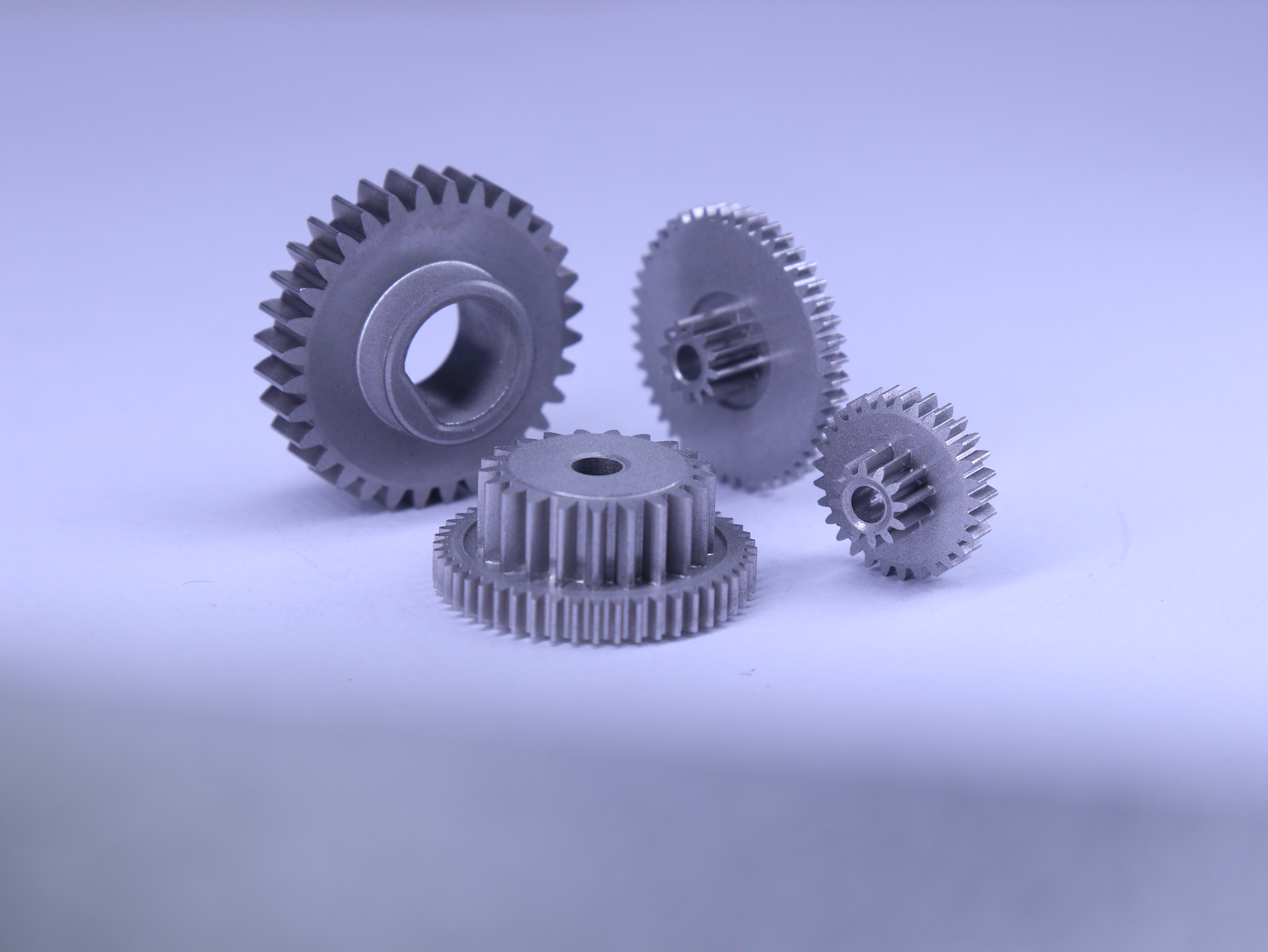
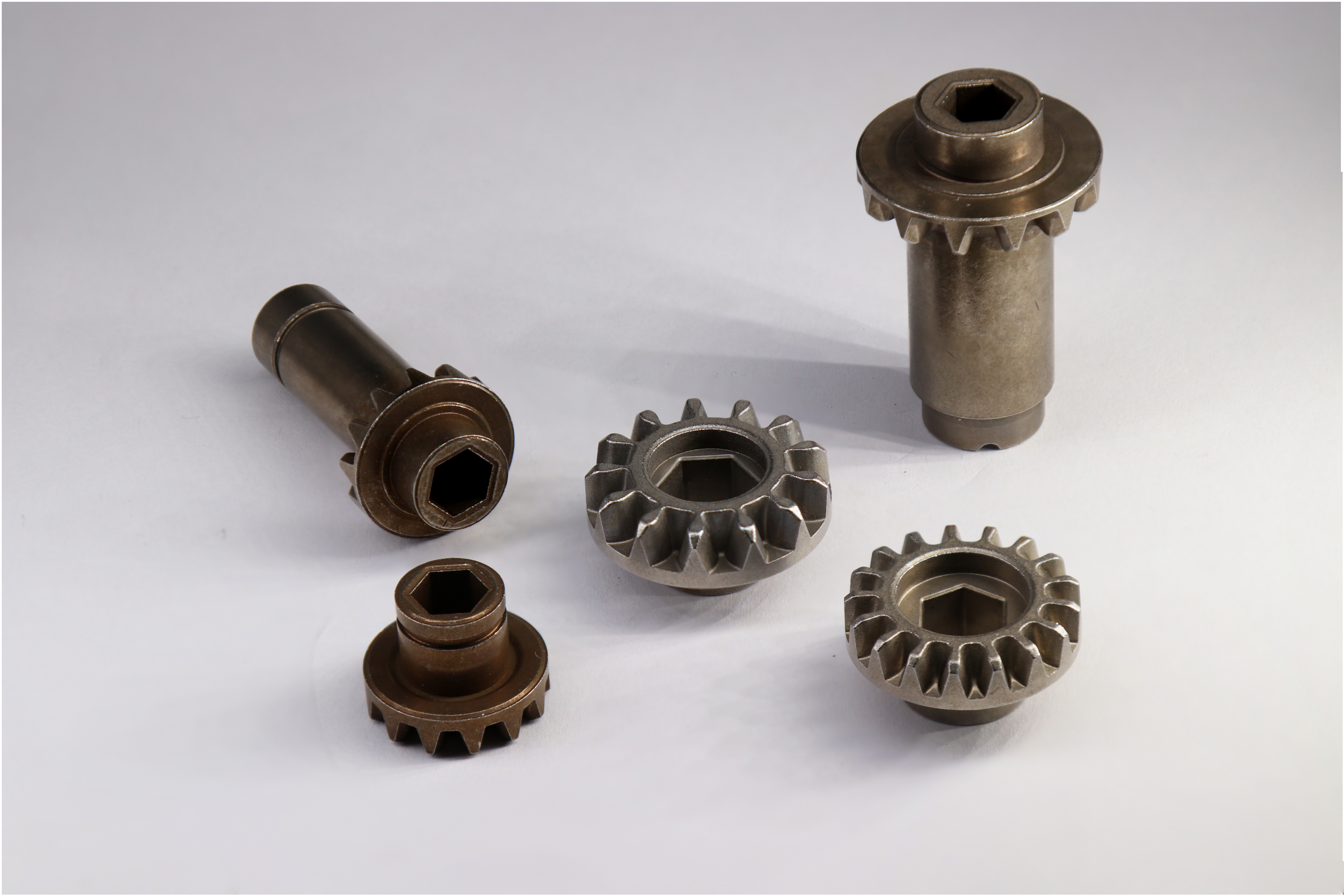
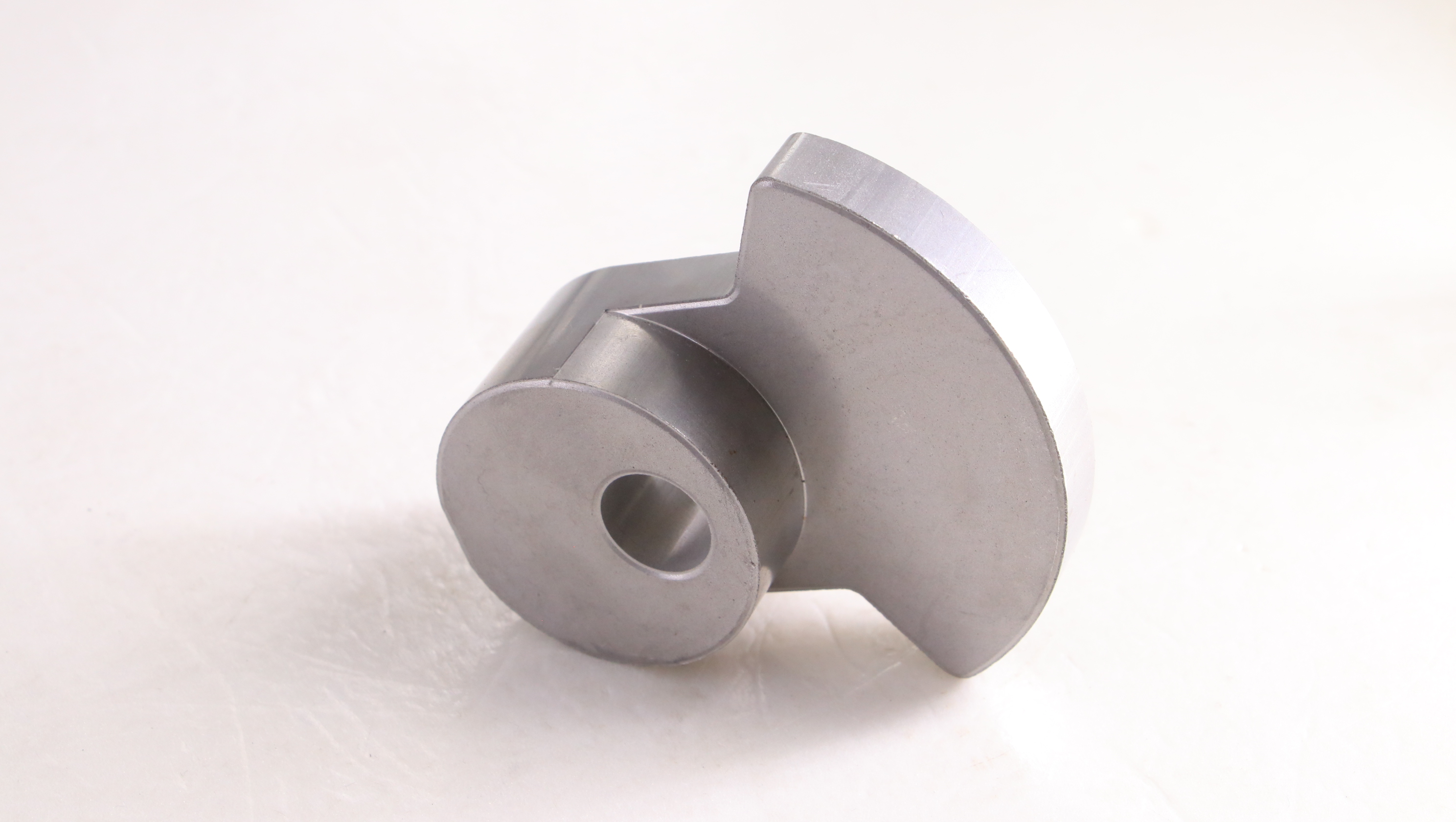
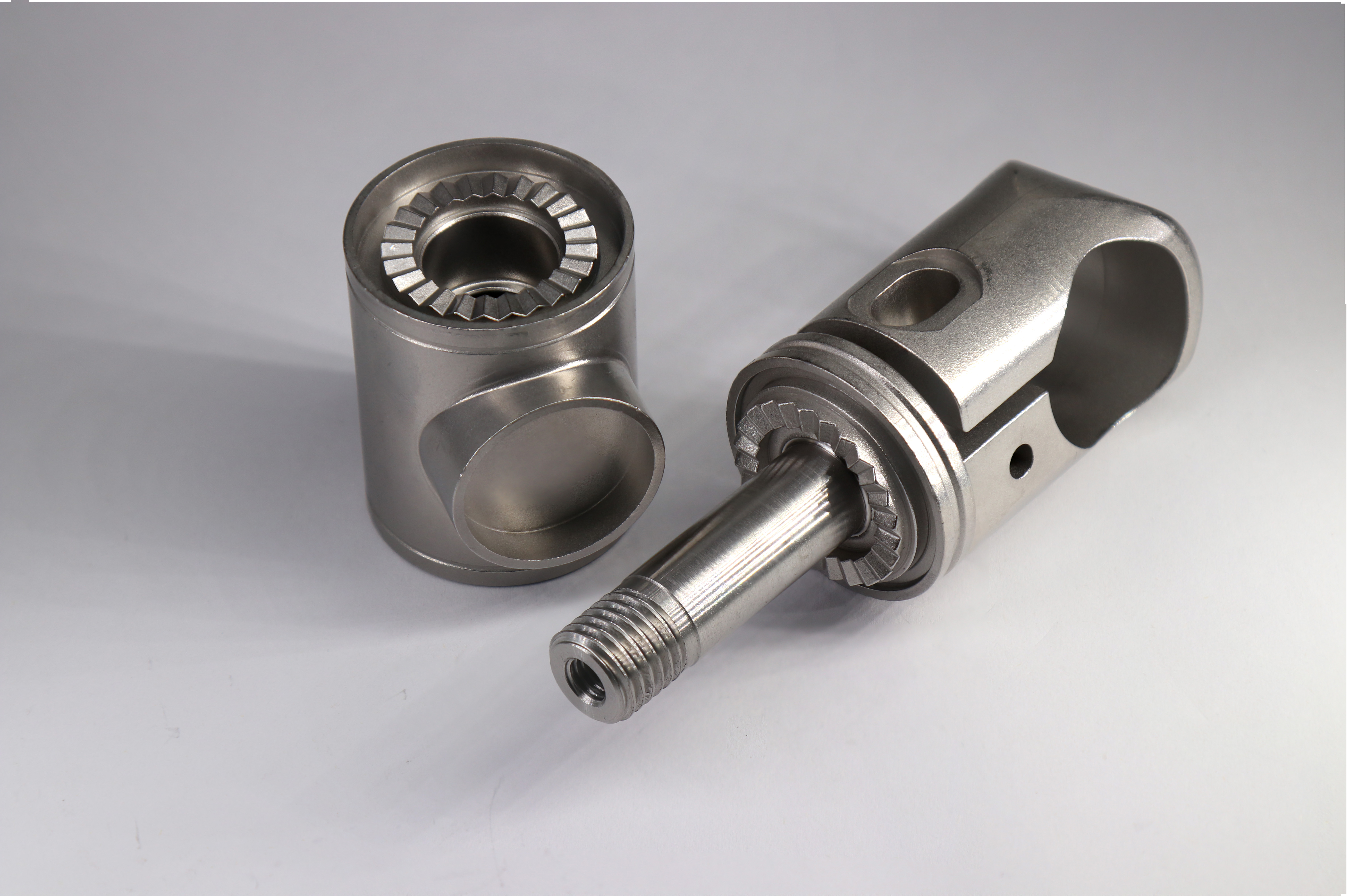
MIM (Metal Injection Molding) integrates plastic injection molding and powder metallurgy, a near-net-shape precision manufacturing process. Ultra-fine metal powder is blended with polymer binder to form feedstock. After injection molding, debinding and high-temperature sintering, dense, high-precision complex metal components are produced.
2. 5 Standard MIM Manufacturing Steps
Feedstock Mixing: Blend fine metal powder with paraffin/polymer binder evenly
Injection Molding: High-pressure molding to form green parts with thin walls, hollow structures & complex profiles in one step
Debinding: Catalytic or solvent debinding to remove internal binder
Vacuum Sintering: Sinter at 1200–1450℃ to densify metal particles
We use cookies to offer you a better browsing experience, analyze site traffic and personalize content. By using this site, you agree to our use of cookies. Privacy Policy