How to Choose Precision Metal Parts? Full Comparison: MIM, CNC, Stamping, Die Casting, Investment Casting
How to Choose Precision Metal Parts? Full Comparison: MIM, CNC, Stamping, Die Casting, Investment Casting
Many purchasing engineers struggle to select the right manufacturing process for complex metal prototypes. We compare 5 mainstream processes from volume, tolerance, structure complexity, material, unit cost & lead time to help you make fast decisions.
1. Comparison Table of 5 Metal Manufacturing Processes

Process Best Volume Dimensional Tolerance Complex Structure Capacity Available Materials Mass Unit Cost Typical Products
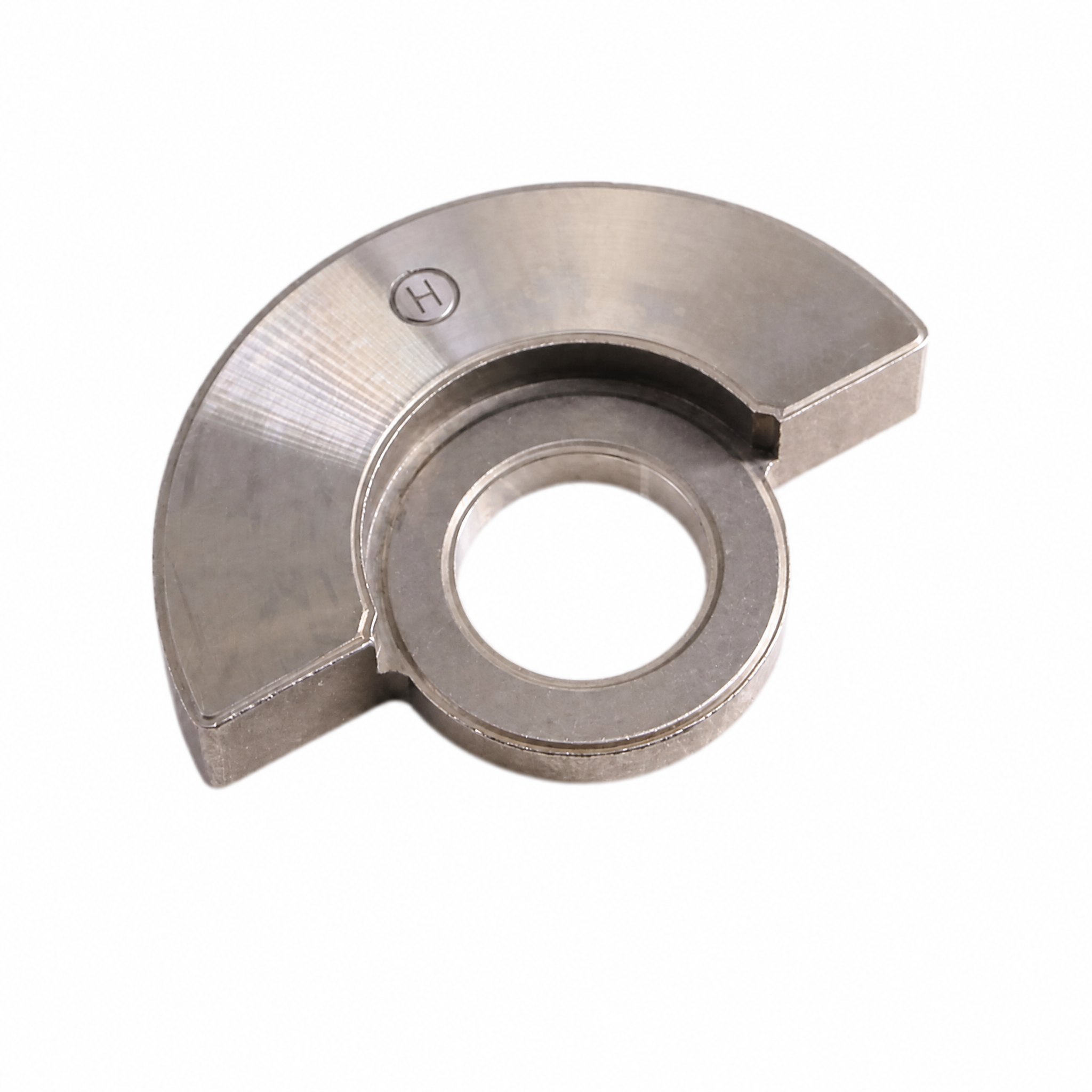
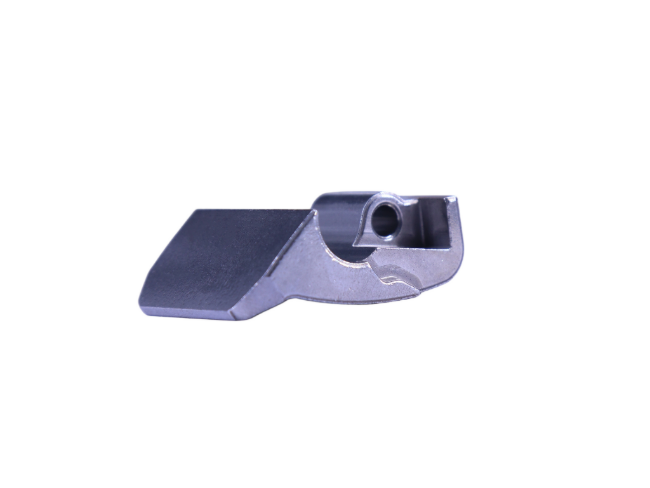
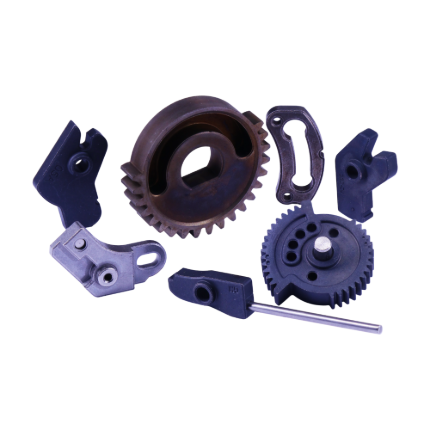
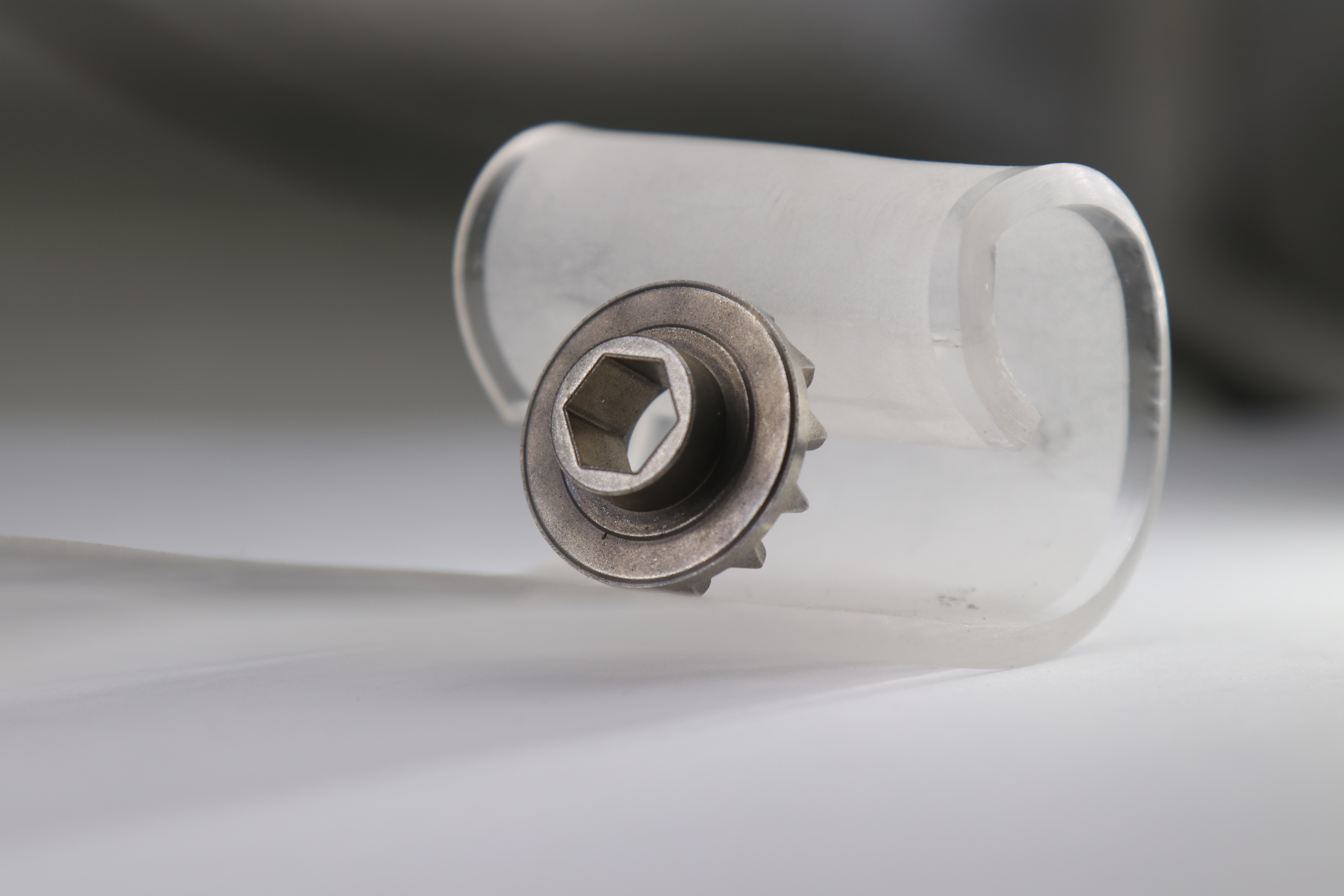
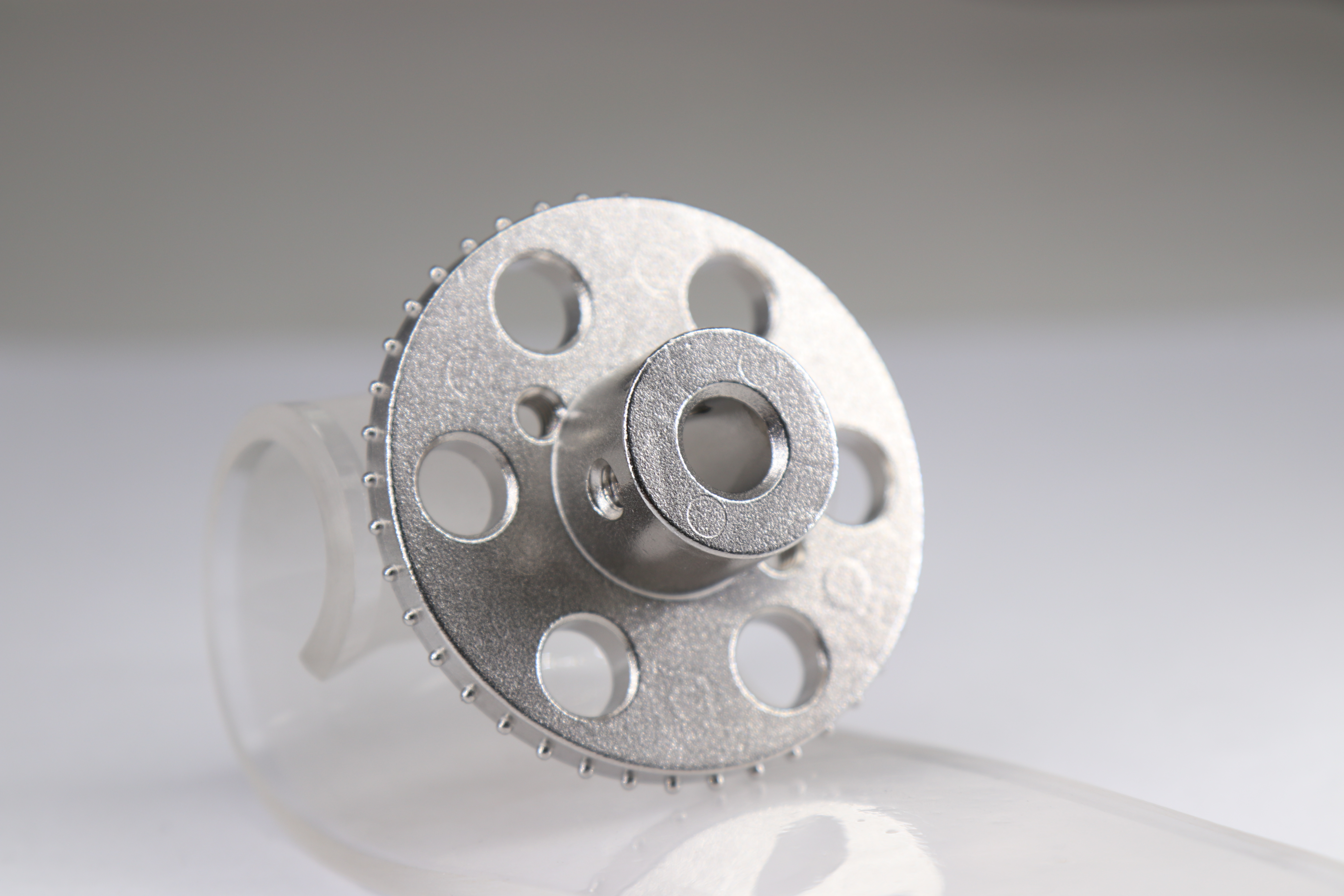
MIM Metal Injection Molding 5k–Millions ±0.005~0.02mm Excellent, thin wall & hollow integrated forming Stainless steel, titanium, soft magnet, alloy steel Low Watch cases, micro gears, medical fasteners
CNC Machining 1–5k pcs ±0.002mm Medium, multi-process split for complex shapes All metal materials High Custom prototypes, low volume samples
Metal Stamping 10k+ ±0.03~0.1mm Poor, only flat simple parts Cold rolled steel, thin stainless steel Very Low Spring sheets, flat housings
Zinc/Aluminum Die Casting 100k+ ±0.05mm Medium Zinc, aluminum Very Low General small appliance shells
Investment Casting 1k–100k ±0.08mm Good Stainless steel, superalloy Medium Large valves, kitchen hardware
2. Process Selection Guide for Different Scenarios
Tiny irregular thin-wall parts with annual orders over 10,000 → Choose MIM
New product sampling, custom low-volume ultra-precision single parts → Choose CNC
Flat thin sheets & spring simple 2D mass parts → Choose Stamping
Light aluminum low-strength housings → Choose Die Casting
Large high-temperature resistant stainless steel medium-volume parts → Choose Investment Casting
3. Two Irreplaceable Application Scenarios of MIM
Micro complex 3D structures: Cannot be formed in one step by traditional machining; split assembly causes bigger tolerance & double cost
High-strength tiny stainless steel components: Die casting cannot produce stainless steel; stamping fails for 3D irregular shapes
Related News
- Guangming Group Shares the Application Fields of MIM Injection Molding Technology
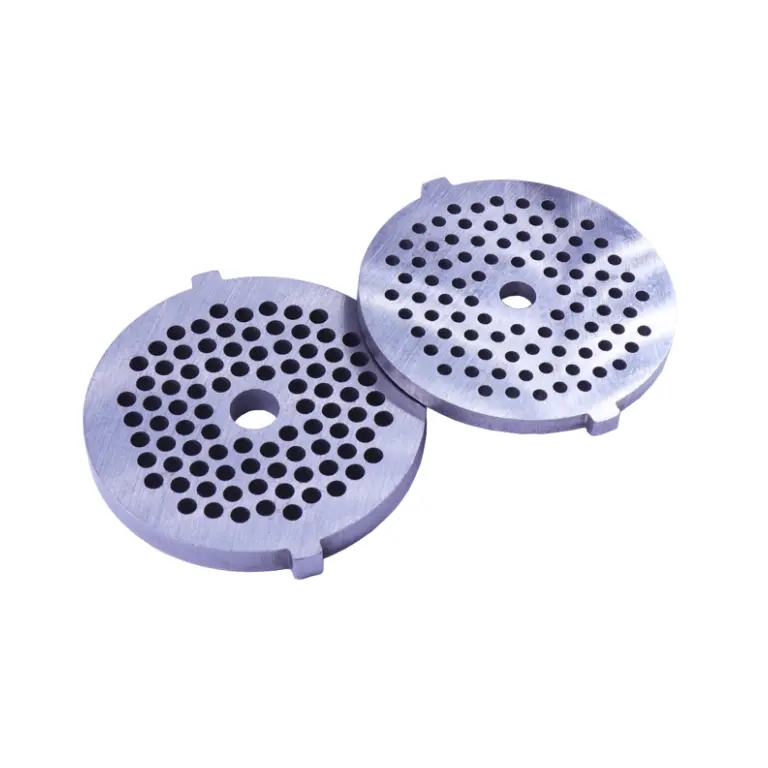
- Guangming Group: Why powder metallurgy is the best process for meat grinder external locking cutter discs
- Stainless Steel 316L vs. 17-4PH – Choosing the Right MIM Material
- MIM vs. 3D Metal Printing – Balancing Prototype Speed and Mass Production
- MIM vs. Plastic Injection Molding – When to Upgrade to Metal Strength?
- MIM vs. Powder Metallurgy (PM) – The Ultimate Selection Guide for Precision Components
Leave me a message