Application of Metal Injection Molding (MIM) in Industrial Automation and Precision Instrument Industries
Metal Injection Molding (MIM) features core advantages: it is suitable for mass production of small, high-strength metal parts with complex thin walls, 3D irregular geometries and high dimensional accuracy. Complex components with holes, grooves, threads and curved surfaces can be formed in one step, greatly reducing CNC machining and improving material utilization. This perfectly matches the development trend of automation equipment and precision instruments towards miniaturization, integration and high precision.
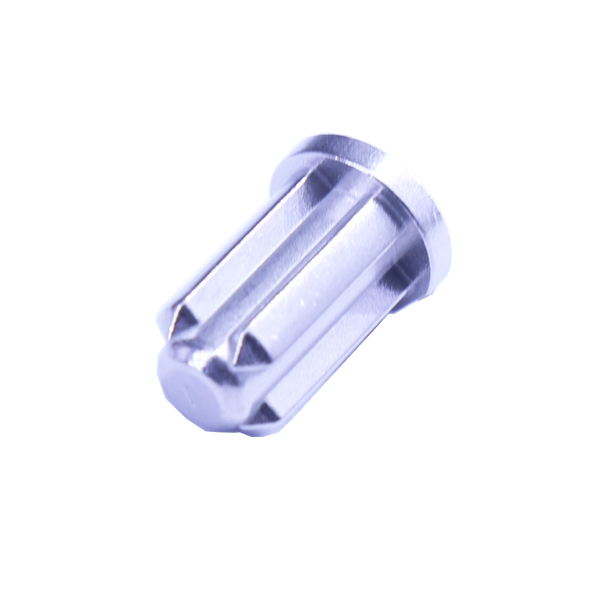
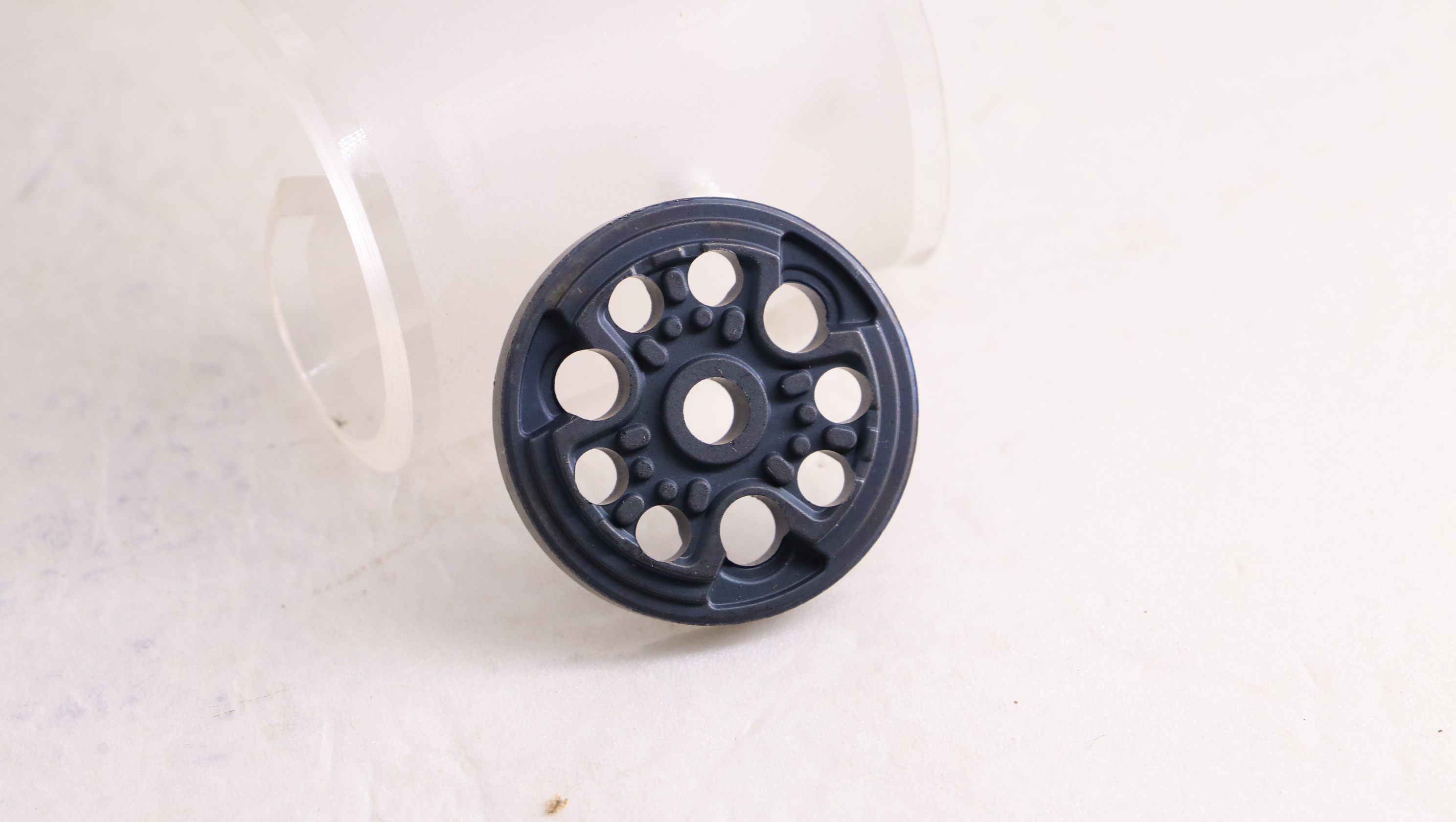
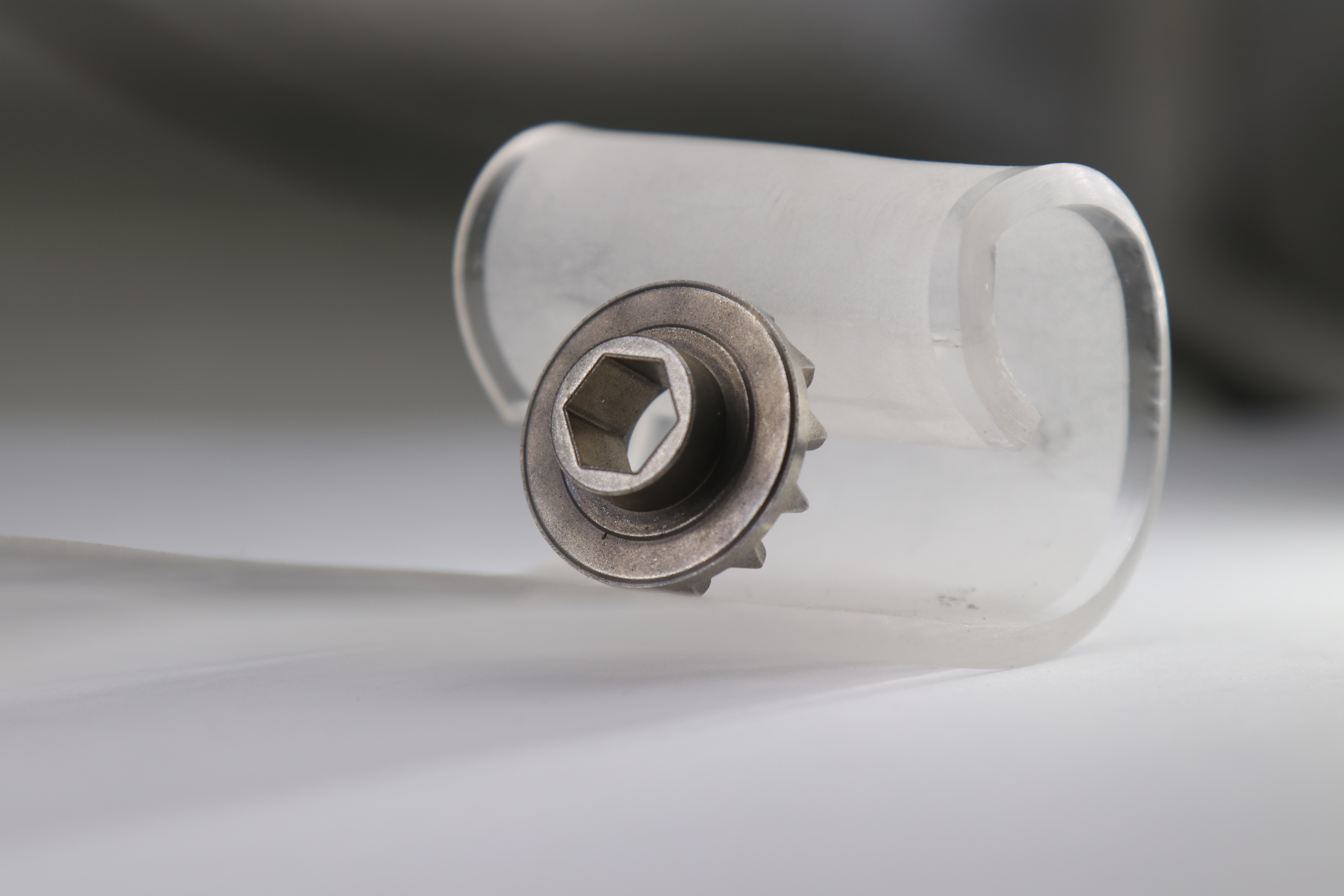
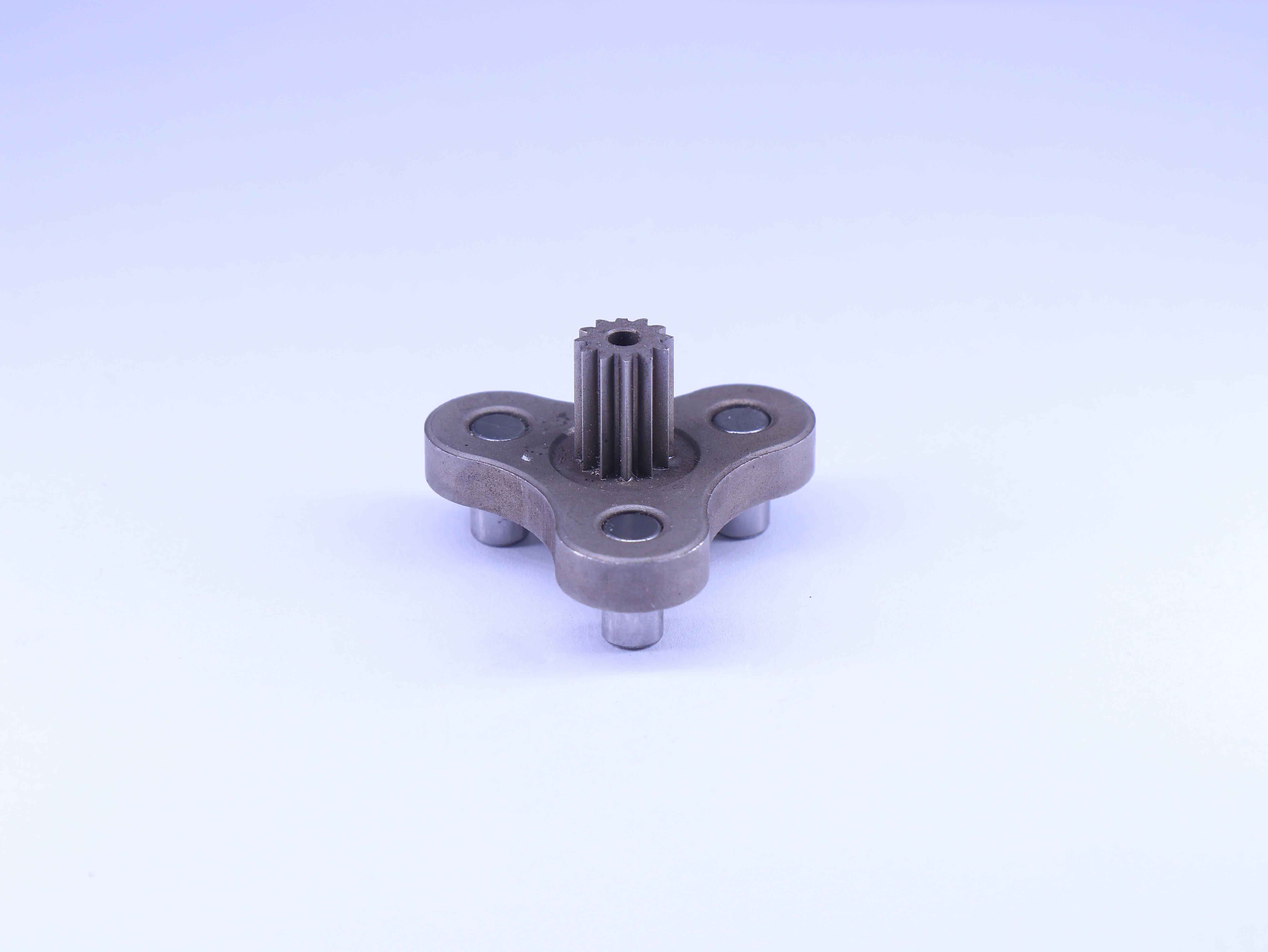
Internal parts of joint reducers: pressure blocks for flex splines of harmonic reducers, planet carriers, positioning bushings and eccentric wheels. MIM can form complex tooth profiles and thin-wall structures, replacing CNC machining while reducing weight and maintaining mechanical strength.
End effectors (grippers): miniature gripper bases, clamping jaws and guide sliders. Automation grippers are compact with irregular-shaped parts; MIM enables one-piece forming without multiple milling operations.
Sensor brackets, positioning bases, solenoid valve spools / sleeves: A large number of miniature pneumatic components are used on automated production lines. MIM stainless steel / iron-based parts feature wear resistance and stable dimensional consistency, ideal for mass assembly.
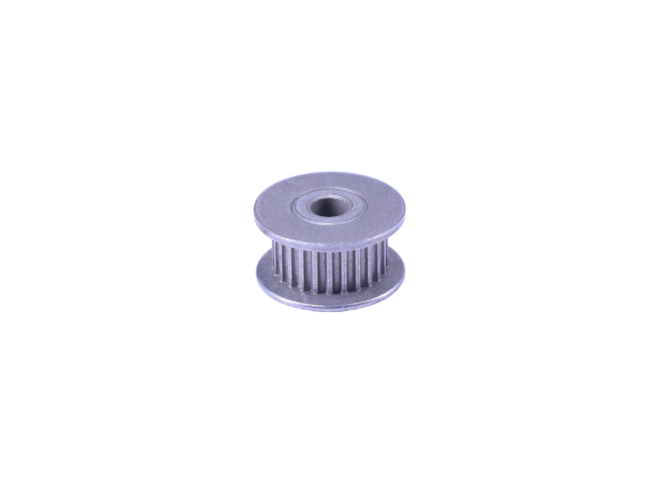
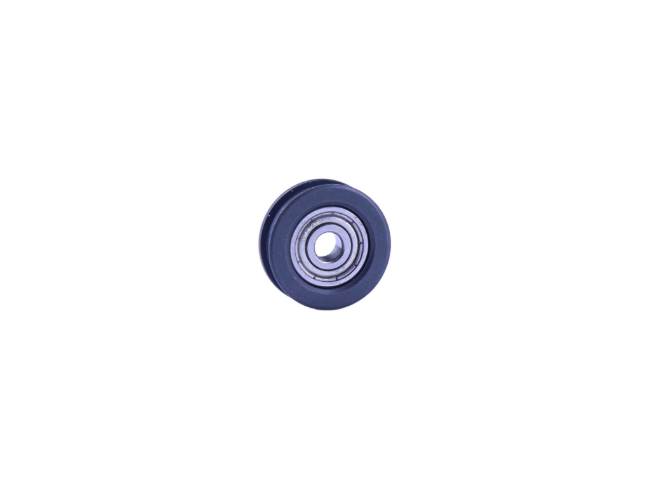
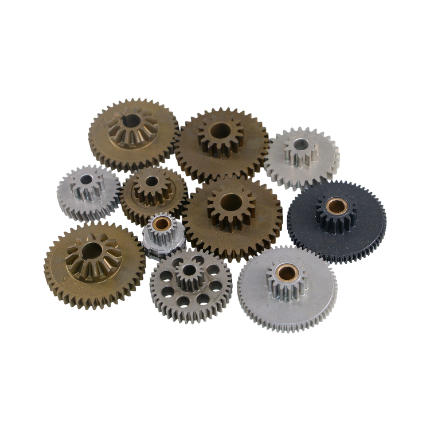
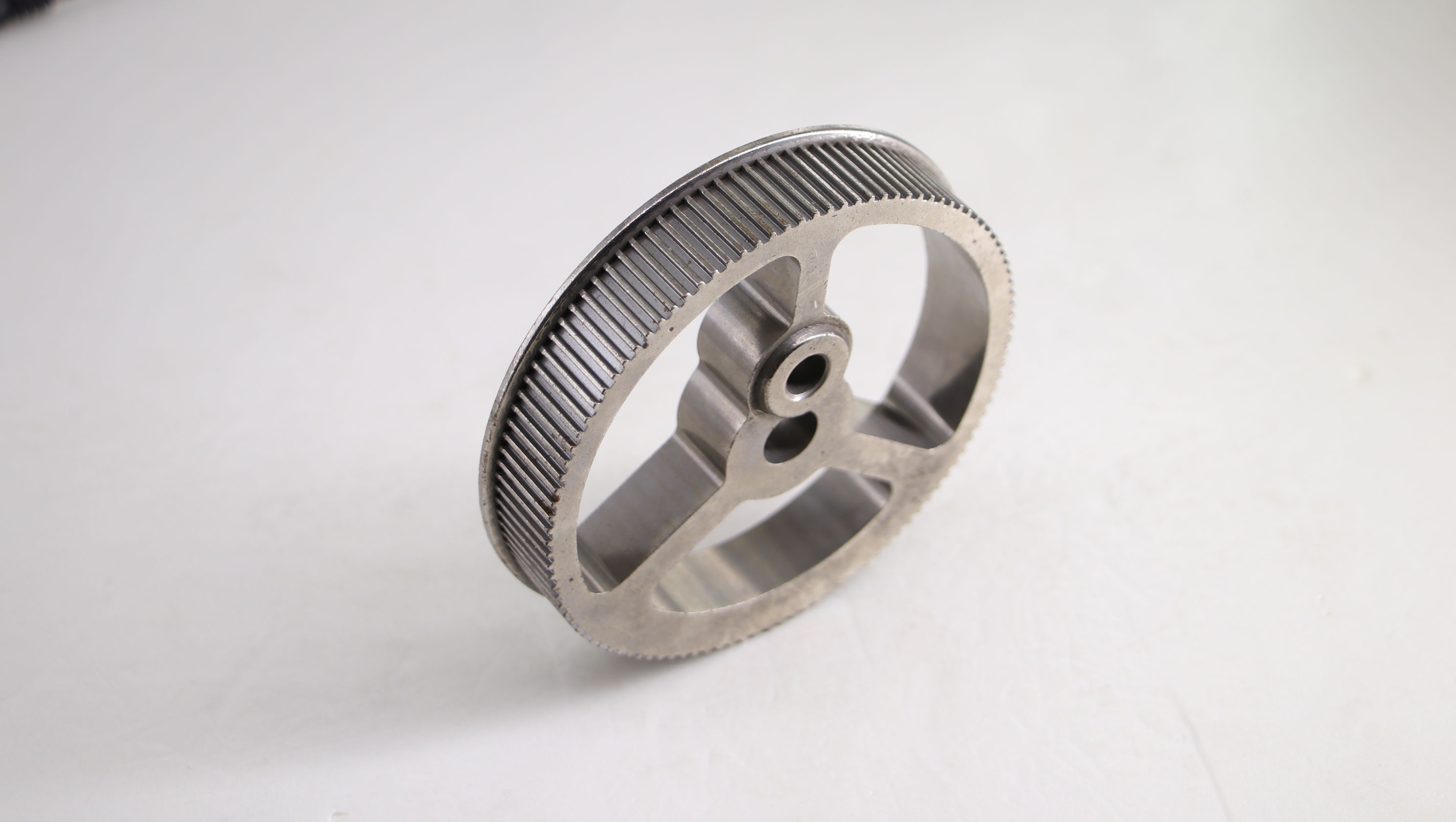
Miniature gears, timing pulleys, cams and one-way pawls.
Automation equipment incorporates numerous small transmission parts. MIM can directly form gear profiles with tooth surface accuracy meeting low-speed precision transmission. Compared with conventional pressed powder metallurgy, it can produce more complex helical angles and special contours.
3. Automation Inspection & Tooling Accessories
Locating pin seats, locking clips, quick connectors and miniature fasteners.
Automation jigs and fixtures often require multiple small irregular parts. MIM mass production lowers unit cost. Available materials include 316L and 17-4 PH stainless steel for corrosion resistance.
Industry Value: Automation equipment is trending towards miniaturization with limited space for many components. Traditional CNC machining is either costly or incapable of machining deep cavities and thin walls. MIM consolidates multiple separate parts into a single integrated component and cuts assembly procedures.
II. Applications in Precision Instrument Industry
Precision instruments cover optical instruments, measuring instruments, analytical instruments, precision medical equipment and laboratory instruments.
1. Optical Precision Instruments
Lens structural parts: lens retainers, light shielding blades, fine adjustment bases and spring seats. MIM stainless steel parts maintain stable dimensions and can be manufactured as lightweight hollow structures to satisfy precise focusing adjustment.
Micro fixing seats and adjustment screw bases for optical platforms. Low stress and minimal deformation are required; deformation after MIM sintering is well controlled.
Sensor housings, probe bases, fine-tuning cams and precision limit blocks.
Requirements: stable dimensional tolerance, uniform density and good wear resistance. MIM can achieve ±0.02~0.05 mm tolerance (with minor post sizing). The consistency of mass-produced parts far exceeds small-batch conventional CNC machining.
Micro fluid control spools, flow split structures and micro-channel bases.
Many precision instruments require tiny flow channels. Drilling micro holes via CNC is difficult and expensive. MIM can form fine flow channels in one integrated piece. Acid & alkali resistant stainless steel and nickel-based alloys are available as material options.
III. Core Technical Advantages of MIM in These Two Industries
1. Structural Capability: It can form thin walls (0.3~1 mm), intricate 3D structures, embedded micro holes and irregular grooves, which are hard to achieve by conventional CNC machining, forging or standard powder metallurgy pressing.
2. Material Options: 316L, 17-4 PH stainless steel, iron-nickel alloy, tungsten alloy, titanium alloy, etc., to meet special requirements of precision instruments such as rust resistance, high strength, wear resistance and non-magnetic properties.
3. Precision Performance: Tolerance of sintered green parts is around ±0.3%. Post sizing can stably reach ±0.02 mm to meet precision assembly. Excellent consistency in mass production suits automated assembly lines.
4. Cost Logic: MIM outperforms CNC machining for small, complex-shaped parts in large volumes. The more complex the part geometry, the more obvious MIM’s cost advantage. Simple thick and bulky parts are not suitable for MIM.
5. Mechanical Properties: Sintered density reaches 95~99% of theoretical density, close to wrought materials. Its strength is far higher than conventional pressed powder metallurgy, capable of withstanding repeated loading and impact in automation equipment.
IV. Industry Limitations
1. Most MIM parts weigh less than 100g; cost surges for oversized components.
2. Excessively thick walls are not recommended, as sintering shrinkage and deformation become difficult to control.
3. Ultra-tight tolerance (<±0.01 mm) cannot be achieved by MIM in one step and requires secondary CNC finishing.
4. The cost of small-batch prototyping is relatively high, suitable for mass production projects.
In industrial automation and precision instrument industries, MIM serves as a mass-production solution for small, complex precision metal components. By one-step forming of intricate irregular structures while guaranteeing material strength and dimensional consistency, it replaces multi-part assemblies and expensive CNC machining, supporting equipment miniaturization and precision upgrade. It is widely applied in core components such as robot joints, pneumatic parts, micro transmission gears, optical bases and precision fluid valves.
Powder Metallurgy, Metal Injection Molding, Powder Metallurgy Gears
Guangming Group specializes in R&D and manufacturing of metal forming technology and wear-resistant materials. Our main products include pressed powder metallurgy parts and metal injection molded components.
The company has a high-caliber talent team. The founding team originates from Guangzhou Research Institute of Non-Ferrous Metals, a research institute directly under the former national ministry. With rich industry experience and strong R&D capability, we continuously drive technological innovation.
We have obtained 5 invention patents and over 30 utility model patents. Our certifications include IATF16949 Quality Management System, ISO9001-2015 Quality Management System, ISO14001 Environmental Management System and Intellectual Property Management System, plus international trademark registration. We are an Innovative Enterprise of Guangdong Province, a Little Giant of Science and Technology Enterprise in Guangzhou, a director unit of Guangdong Powder Metallurgy Industry Technology Innovation Alliance and a founding member of Guangzhou Advanced Powder Metallurgy Cluster Promotion Center.
We use cookies to offer you a better browsing experience, analyze site traffic and personalize content. By using this site, you agree to our use of cookies. Privacy Policy