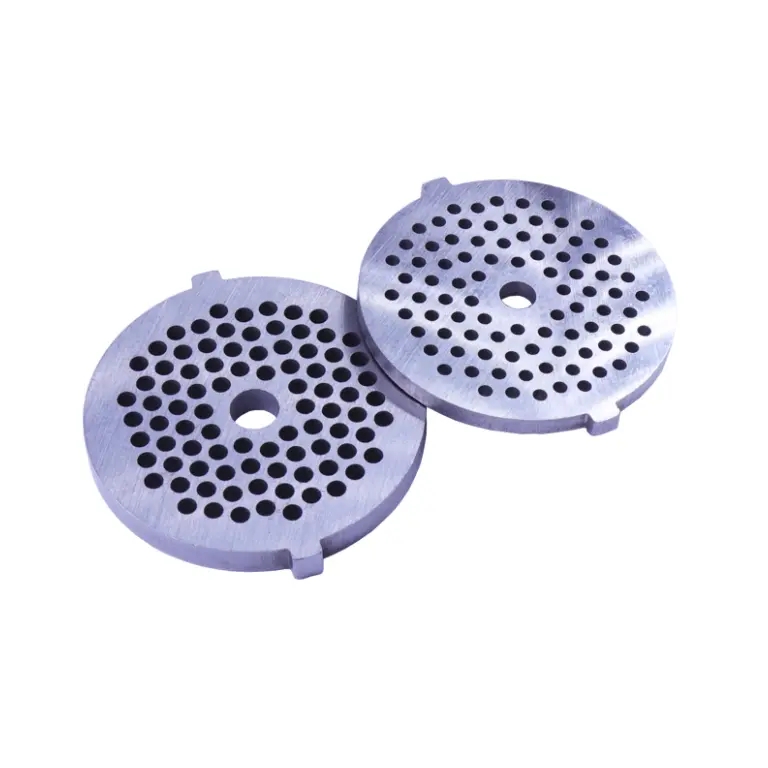
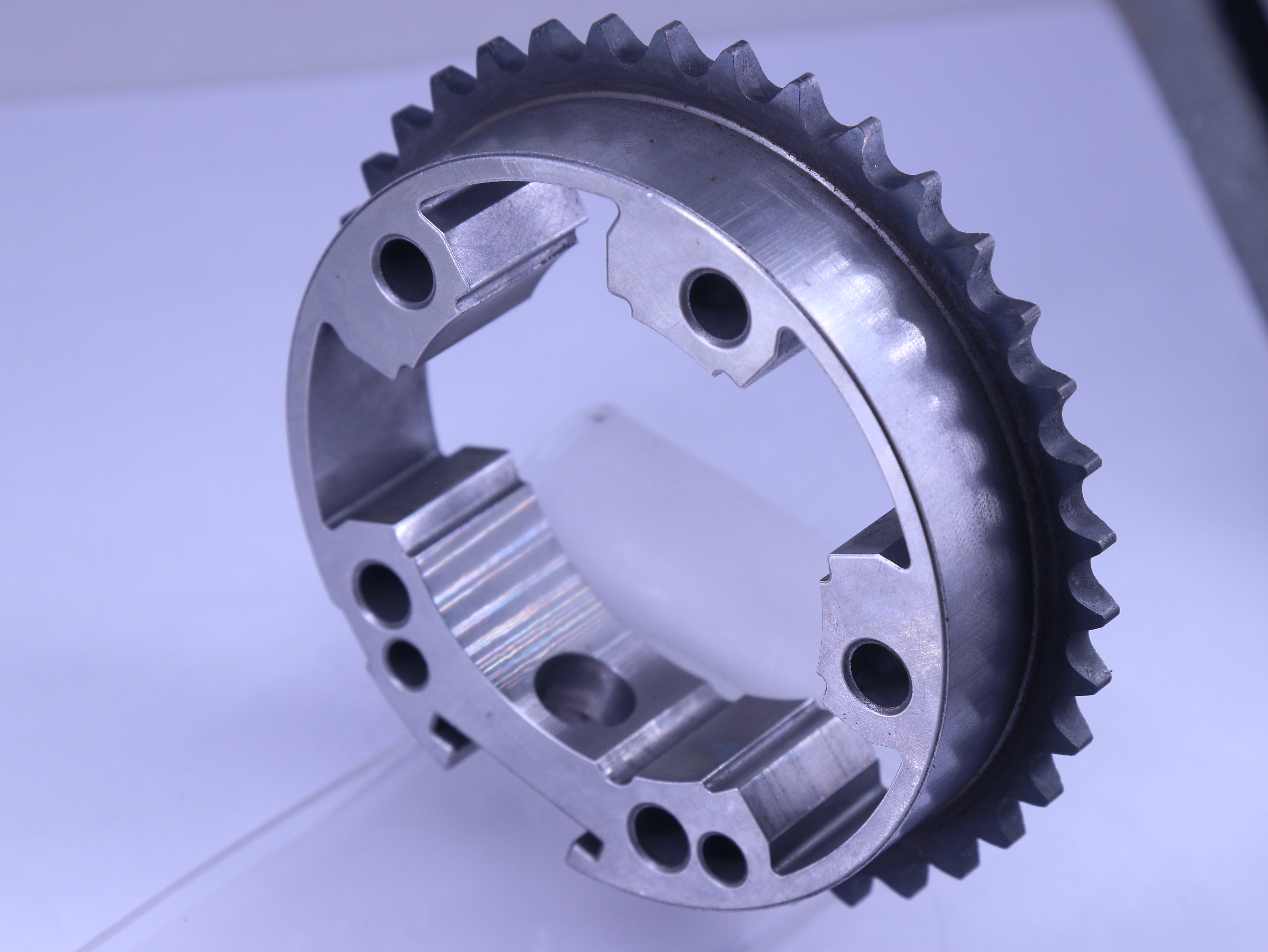
The production process of powder metallurgy mainly includes the following steps:
Preparation of powder
Mechanical method: including solid crushing and liquid crushing. Solid crushing is the process of rolling or vibrating a cylinder to impact and crush materials into powder using steel balls, suitable for brittle metals and alloys; Liquid pulverization is mainly the atomization method, which disperses molten metal into mist like droplets through high-pressure gas, liquid, or high-speed rotating blades. After cooling, it becomes powder and is suitable for metals with low melting points
Physical chemistry method: It is mainly a method of obtaining metal powder by changing the condensed state or chemical composition of raw materials through physical or chemical actions. For example, using reducing agents to reduce metal oxides or salts into metal powders, suitable for metal oxides or halogen compounds; The electrolysis method can be used for metal salts, which involves passing a direct current through the molten salt to electrolyze and precipitate metal ions into metal powder. In addition, there are thermal dissociation method and chemical displacement method
mixed
Dry mixing: suitable for mixing components with similar density and low powder uniformity requirements
Wet mixing: A large amount of volatile liquids such as gasoline and alcohol should be added to the powder for ball milling, which can increase the uniformity of mixing and increase the contact surface between components, improving sintering performance. In addition, adding gasoline, rubber fluid, or paraffin to the powder can improve its formability and plasticity
Semi dry mixing: Adding about 0.1% lubricating oil to the powder can reduce density segregation of the powder
forming
Pressing method: a commonly used molding method, divided into room temperature pressing and heating pressing according to the molding temperature
Non pressure forming methods: such as slurry casting, freeze casting, and non pressure impregnation
sintering
Liquid phase sintering: The sintering temperature is higher than the melting point of the lowest melting point component in the powder. The low melting point component melts into a liquid, infiltrates into the gaps between solid particles, surrounds the solid particles, and becomes a whole; Alternatively, it may undergo melting, recrystallization, and grain growth with solid particles, ultimately resulting in powder metallurgy products
Solid phase sintering: The sintering temperature is lower than the melting point of all metals and alloys in the powder, and no components melt into a liquid state during the process. By sintering, the plasticity of the metal is improved, adsorbed gases and impurities are eliminated, the contact area between particles is increased, and the powder is bonded more tightly. During this process, high-strength powder metallurgy products are obtained through atomic diffusion, recrystallization, and grain growth
Post sintering treatment
Pressure processing, such as forging, rolling, etc., can improve the density and performance of products
Immersion: can improve the sealing, hardness, and wear resistance of products, such as immersion in oil, resin, etc
Heat treatment: By quenching, tempering and other heat treatment processes, the strength, hardness, toughness and other properties of the product are improved
Surface treatment, such as electroplating, chemical plating, coating, etc., can improve the corrosion resistance, wear resistance, and decorative properties of products
Mechanical processing: For products with high precision requirements, a small amount of mechanical processing is performed, such as turning, grinding, etc., to meet the requirements of dimensional accuracy and surface roughness
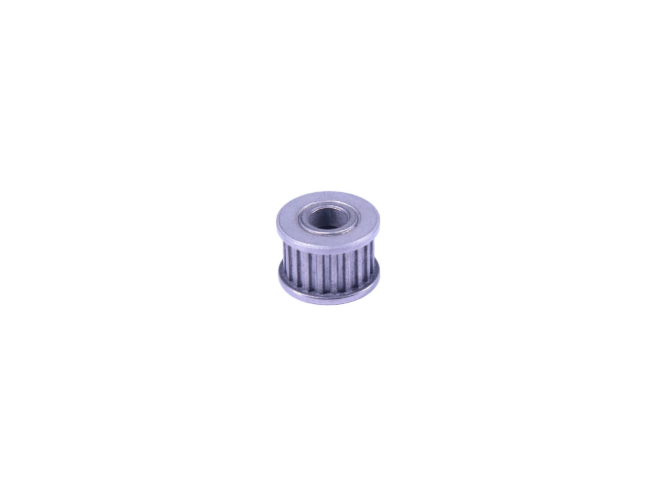
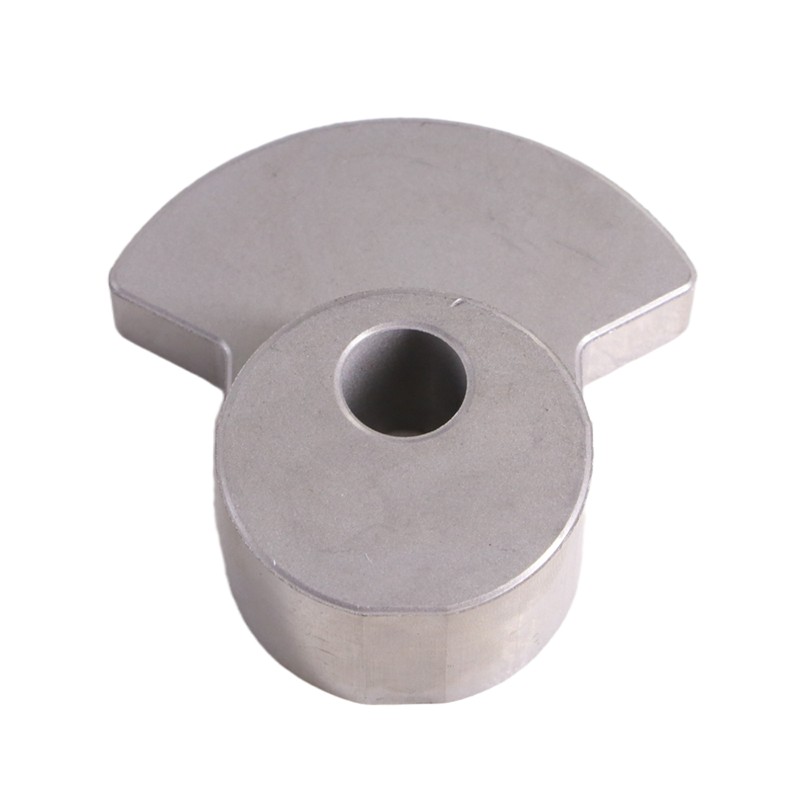
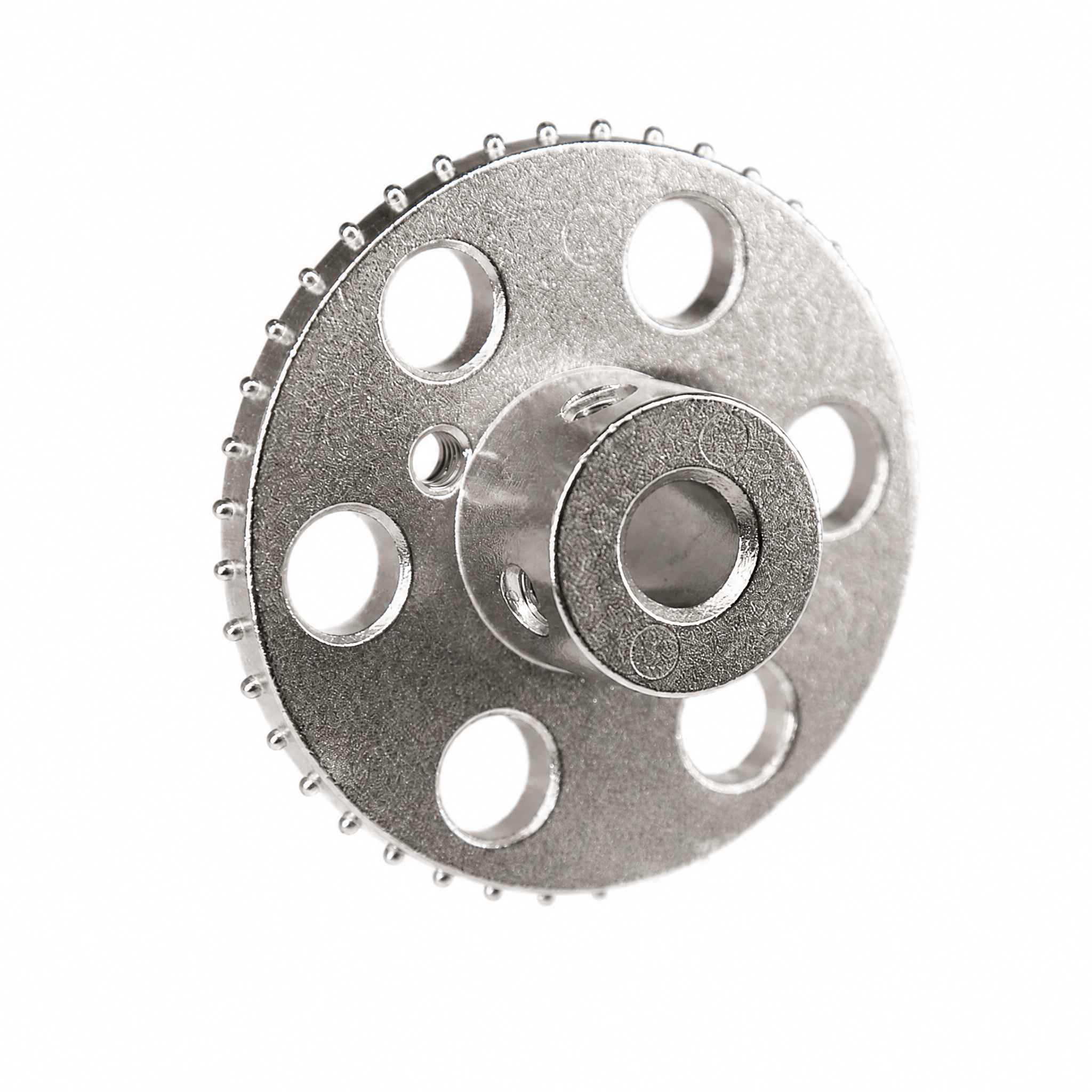
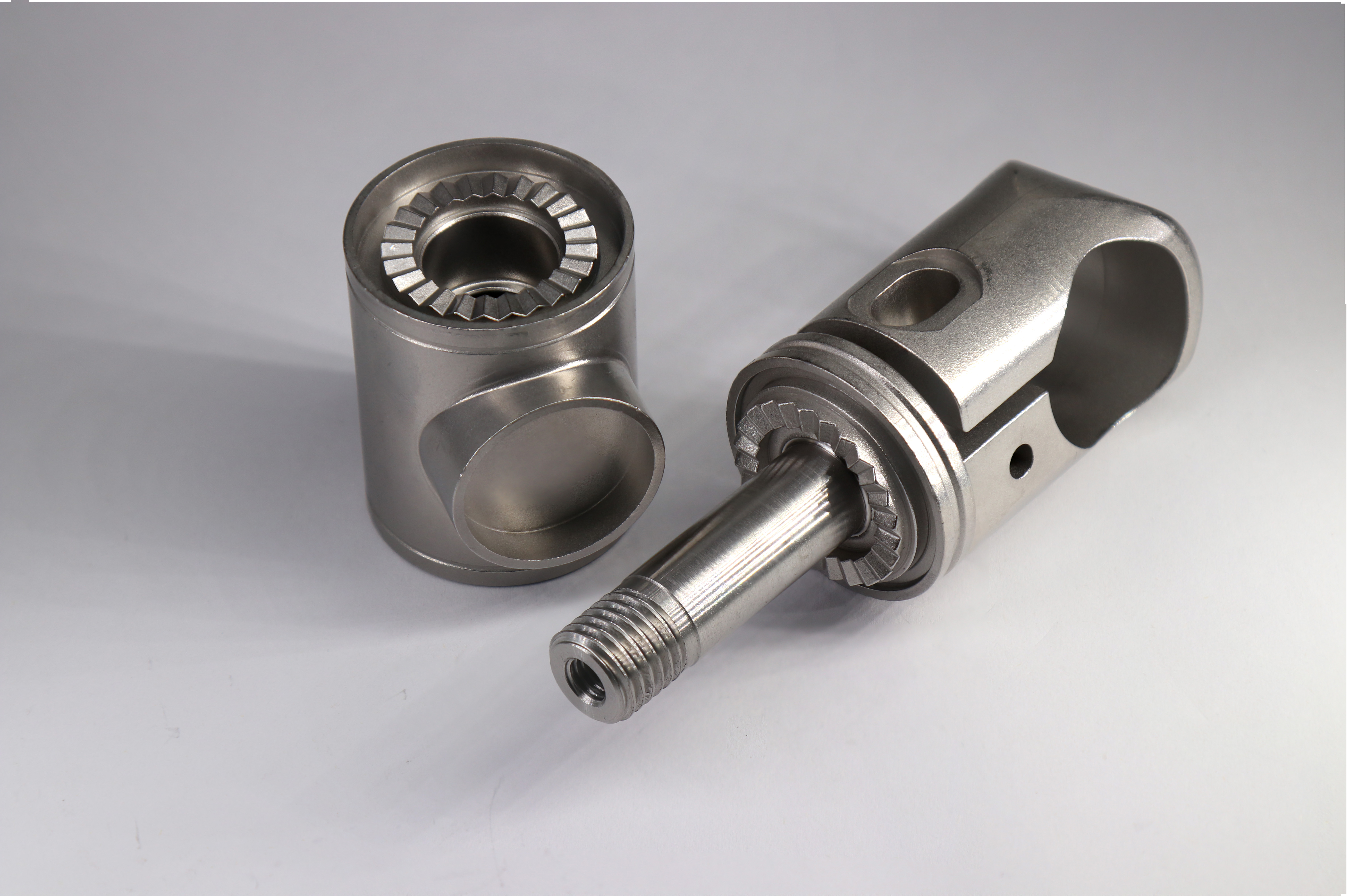
Powder metallurgy, metal injection molding, powder metallurgy gears
Guangming Group focuses on the research and development of metal forming technology and wear-resistant materials. Its main products include metal compression molding and injection molding powder metallurgy products.
The company has a team of high-quality talents, with the founding team originating from the Guangzhou Nonferrous Metals Research Institute, a directly affiliated national and ministerial level scientific research institution. It has rich industry experience and research and development capabilities, providing a continuous source of innovation power for the company's development. The company has successively obtained 5 invention patents and more than 30 utility model patents. It has passed the IATF16949 quality management system, ISO9001-2015 quality management system, ISO14001 environmental management system, intellectual property management system, and obtained international trademark certification. It is an innovative enterprise in Guangdong Province, a small giant enterprise in science and technology in Guangzhou, a member of the Guangdong Powder Metallurgy Industry Technology Innovation Alliance, and an initiator of the Guangzhou Advanced Powder Metallurgy Cluster Promotion Center.
We use cookies to offer you a better browsing experience, analyze site traffic and personalize content. By using this site, you agree to our use of cookies. Privacy Policy