

News
Stay updated with the latest news from GM, industry innovations, trade show participation, and new product announcements, and give you timely developments.
 27 2026-03
 Group shares today what are the key considerations for metal injection molding
Key precautions and detailed instructions for metal injection molding
Material selection and feeding quality control: The particle size (usually 1-20 μ m fine powder), morphology, and purity of metal powder directly affect the sintering density and feeding flowability; The formula of the adhesive (thermoplastic resin, wax, etc.) needs to match the powder characteristics to ensure the bonding and molding effect. The mixing process requires temperature and speed control to ensure uniform feeding composition and stable rheological properties. At the same time, indicators such as feeding uniformity and viscosity need to be tested.
 24 2026-03
 What are the advantages of powder metallurgy as discussed by Guangming Group today?
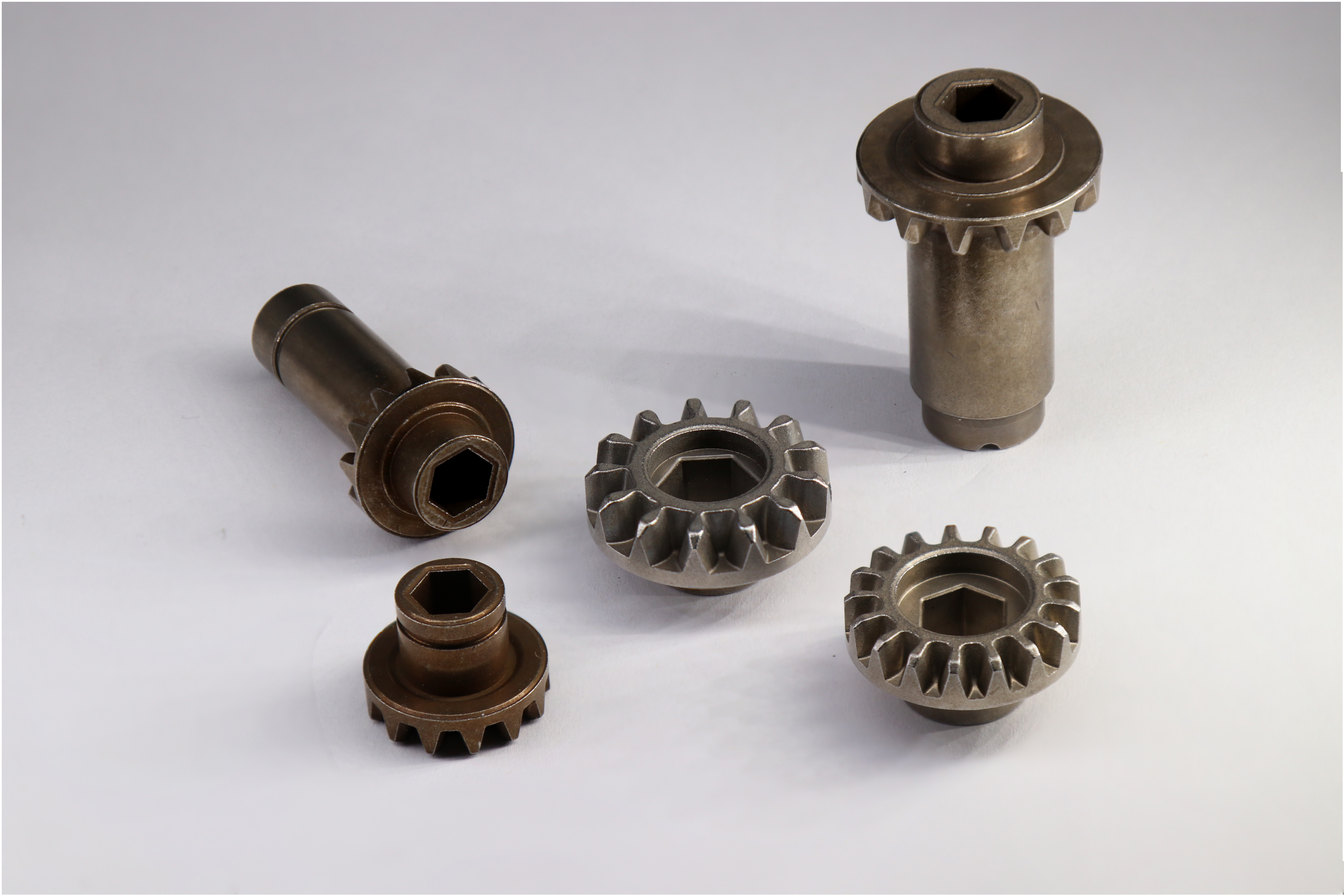
Powder metallurgy, as a near net forming material preparation and product processing technology, has its core advantages derived from the particularity of the process itself, which can solve the material and product needs that are difficult to achieve through traditional melting, forging and other processes. The specific advantages can be divided into two categories: technical performance advantages and economic production advantages:
 21 2026-03
 Guangming Group will discuss today the key influencing factors of powder metallurgy molding
1 Powder characteristics
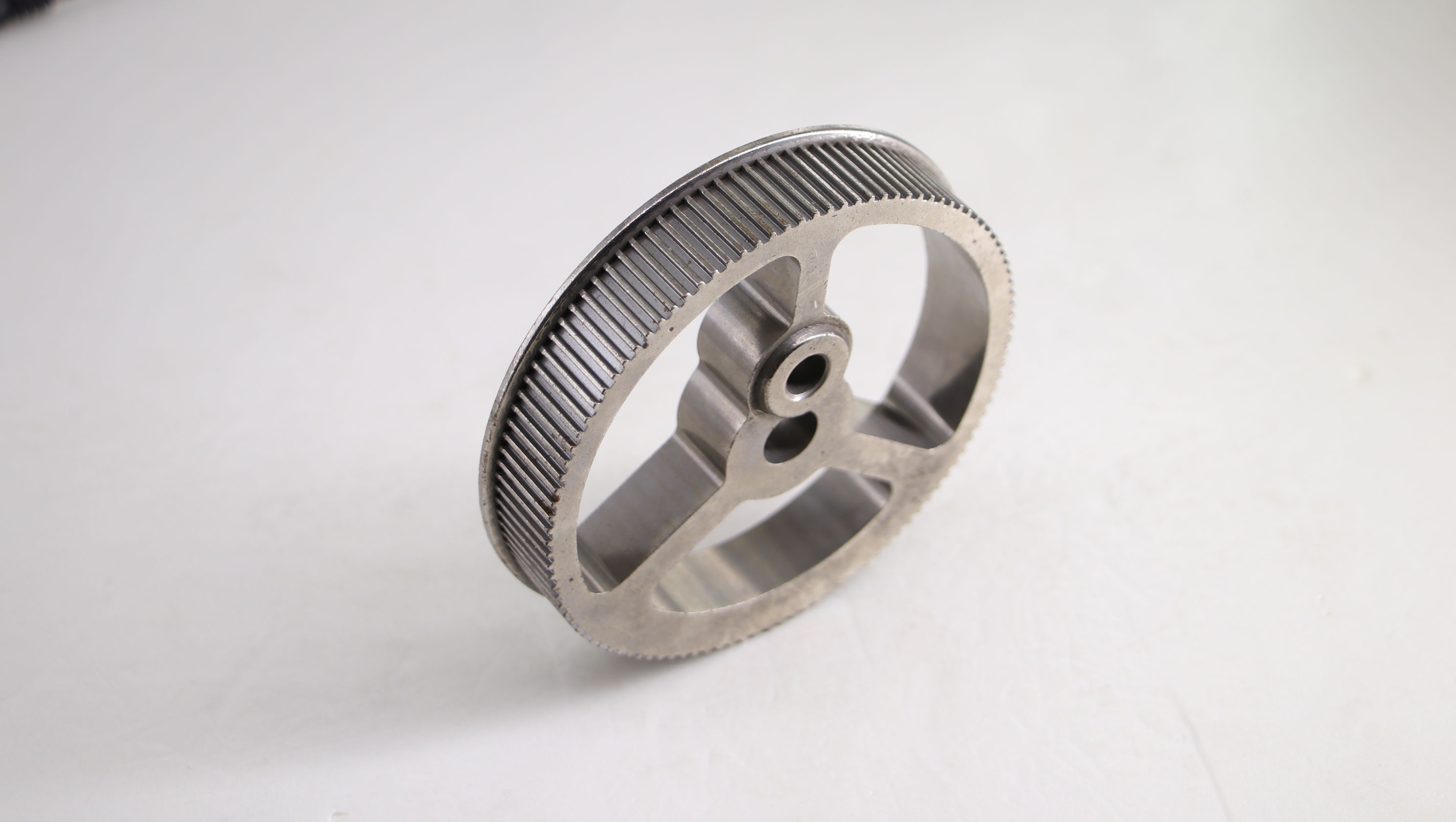
The particle size and distribution, shape, loose density, flowability, compressibility, and other characteristics of the powder directly affect the molding effect. For example, powders with finer particle size have a larger specific surface area, stronger bonding between particles, and higher strength of the formed body. However, their flowability is poor, which can easily lead to uneven filling of the mold; Spherical powder has good flowability and is easy to fill molds, but the meshing force between particles is weak and the strength of the body is relatively low; Irregular shaped powders (such as needle like or flake like) have poor flowability, but the particles are tightly interlocked and the strength of the body is relatively high.
 17 2026-03
 Guangming Group shares today the functions of metal injection molding
Realize high-precision manufacturing of complex shaped parts
Metal injection molding technology can produce metal parts with extremely complex shapes. Traditional metal processing methods often face many challenges when facing complex shapes, such as difficulty in processing, high cost, and difficulty in ensuring accuracy. Metal injection molding can easily address these issues.