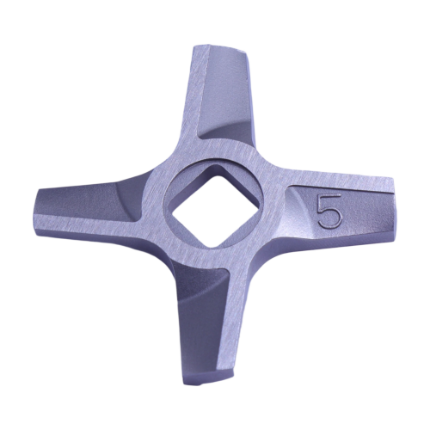
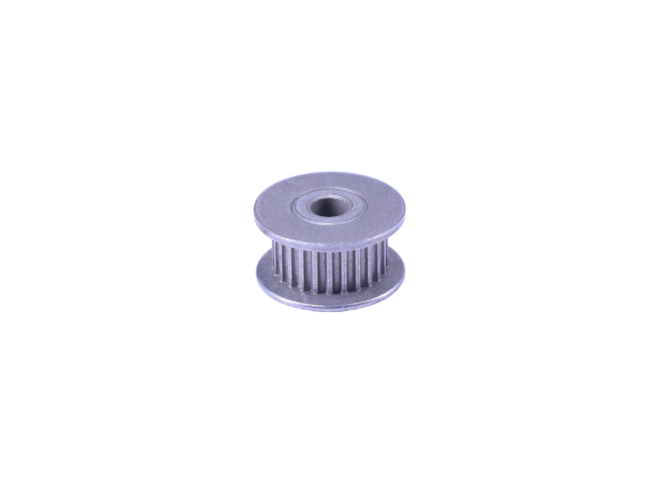
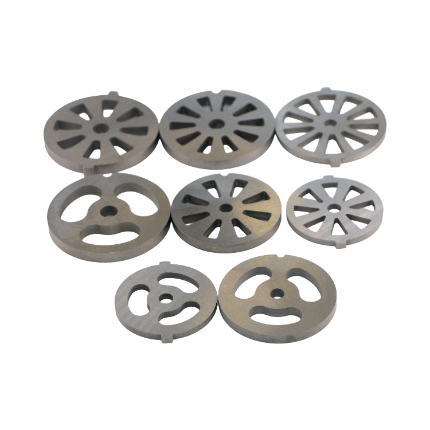
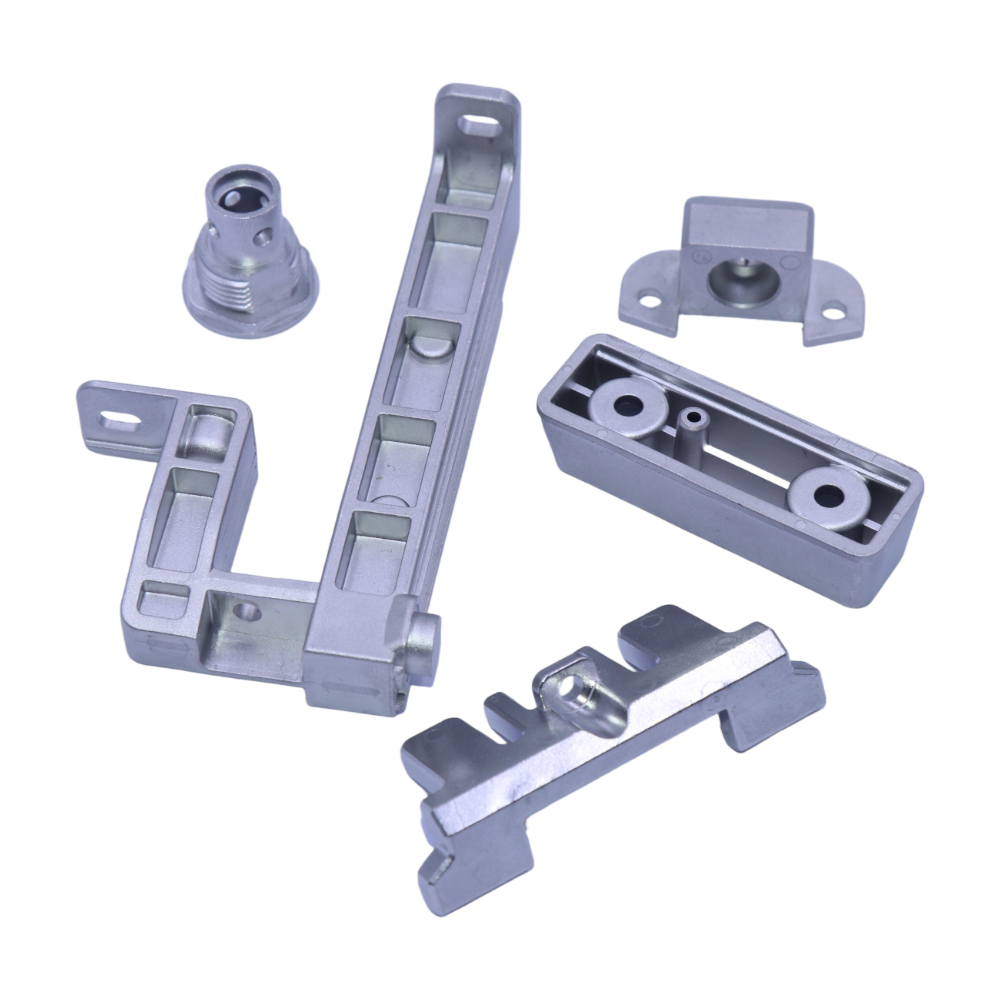
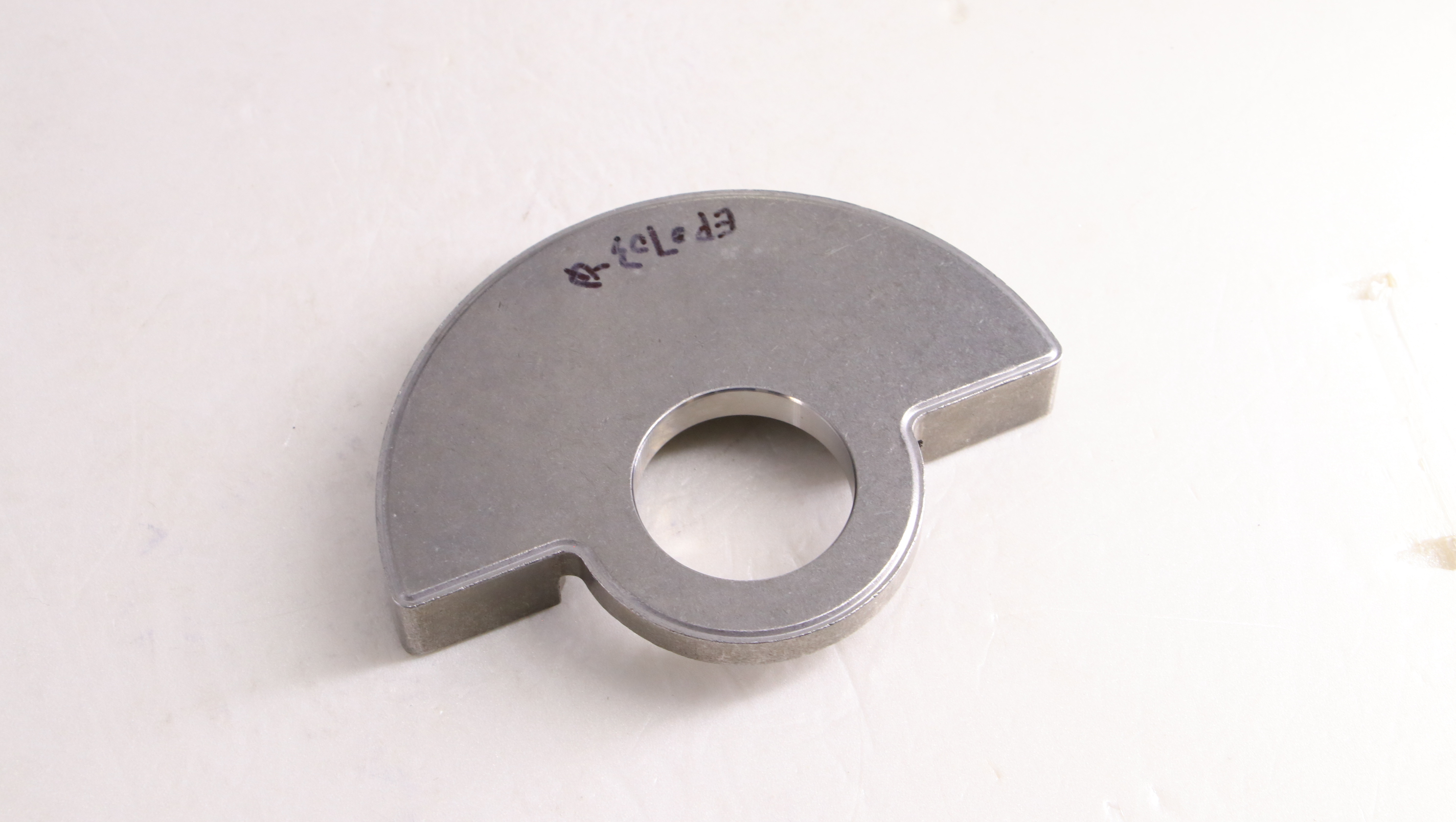
2. Powder Metallurgy (PM) (Iron‑based Compaction & Sintering, Cost‑effective for Mass Production)
Process flow: Powder mixing → Die compaction (full T‑shape + dual‑gear formed in one press) → High‑temperature sintering → Sizing → Minor secondary machining (reaming)
Material: Fe‑Cu‑C (Iron‑Copper‑Carbon)
Advantages: One‑step forming of dual gear with T‑step directly compacted, nearly no cutting work, low cost, ideal for 100,000‑level mass‑production orders
Low‑load applications: Household appliances, toys, small transmission assemblies
Powder Metallurgy, Metal Injection Molding, Powder‑Metallurgy Gears
Guangming Group is a professional manufacturer focused on the R&D and production of metal‑forming technologies and wear‑resistant materials. Our main products cover powder‑metallurgy components produced by powder compaction and metal injection molding.
We have built a high‑caliber talent team. The founding team comes from Guangzhou Institute of Non‑Ferrous Metals, a research institute directly affiliated to a former national ministry‑level authority. With rich industry experience and strong R&D capabilities, our team delivers continuous innovation momentum for enterprise development.
The company has obtained 5 invention patents and more than 30 utility‑model patents. We have passed IATF16949 Quality Management System, ISO9001‑2015 Quality Management System, ISO14001 Environmental Management System and Intellectual Property Management System certifications, and owned international trademark registration.
We are recognized as an Innovative Enterprise of Guangdong Province, a Little‑Giant Sci‑Tech Enterprise of Guangzhou, a council member of Guangdong Powder‑Metallurgy Industry‑Technology Innovation Alliance, and a founding member of Guangzhou Advanced Powder‑Metallurgy Cluster Promotion Center.
We use cookies to offer you a better browsing experience, analyze site traffic and personalize content. By using this site, you agree to our use of cookies. Privacy Policy