

Industry News
 08 2026-09
 Guangming Group Today Talks About How the Production Cost of Powder Metallurgy Compares with the Traditional Casting Process
Powder Metallurgy vs Traditional Casting: Production Cost Comparison
Key Conclusions
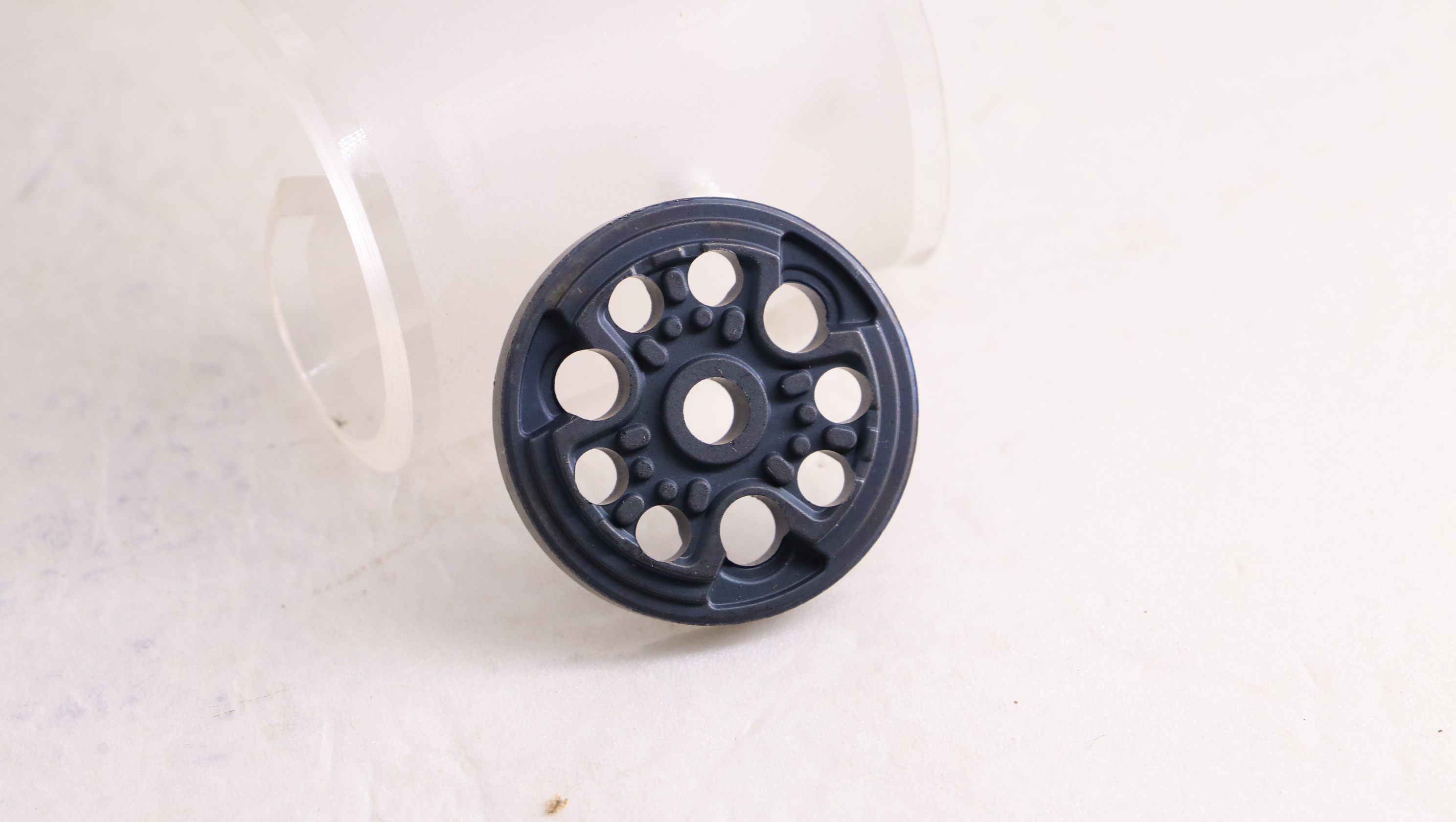
For small‑batch production, traditional casting delivers lower costs. For medium‑to‑large‑batch small‑and‑medium‑sized parts, powder metallurgy offers lower overall manufacturing costs. The cost competitiveness mainly depends on mold amortization, post‑processing labor hours, material utilization rate, as well as part weight and geometry — core evaluation dimensions for professional China manufacturer and factory suppliers in the metal forming industry.
 21 2026-08
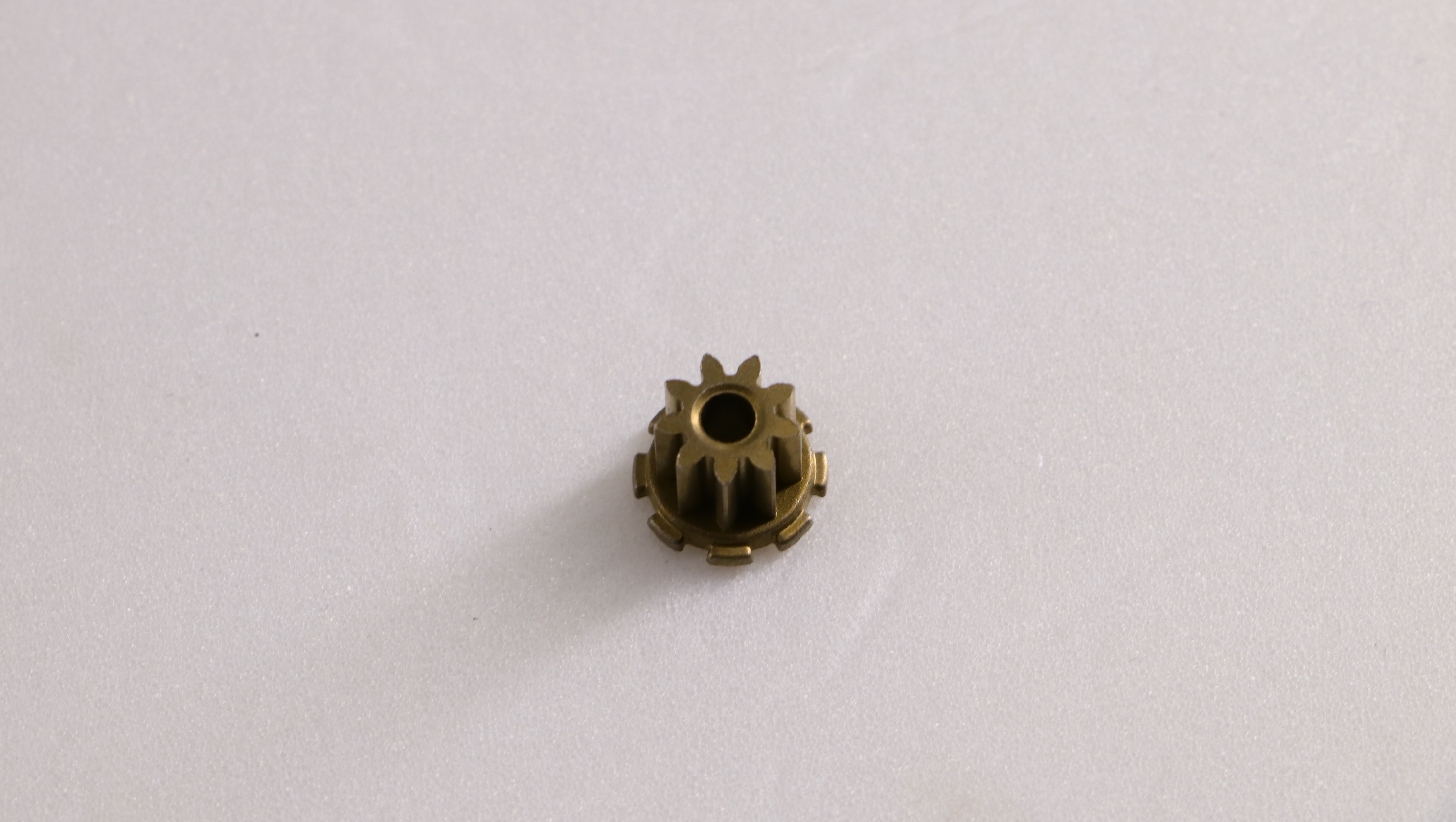
 Today, Guangming Group will introduce the commonly‑used gear types of reducer gearboxes.
Applications: R, K, S, F four‑series hardened‑tooth gear reducers, conveyors, mixers, fans and water pumps
Shaft layout: Parallel‑shaft input and output
Advantages: Gradual tooth engagement, smooth transmission, low noise, high load‑bearing capacity, suitable for high‑speed and heavy‑duty conditions
Disadvantages: Generates axial force, and bearings need to withstand axial thrust
Reduction ratio: Single‑stage i=1‑6; multi‑stage ratio up to i=6‑400
 19 2026-08
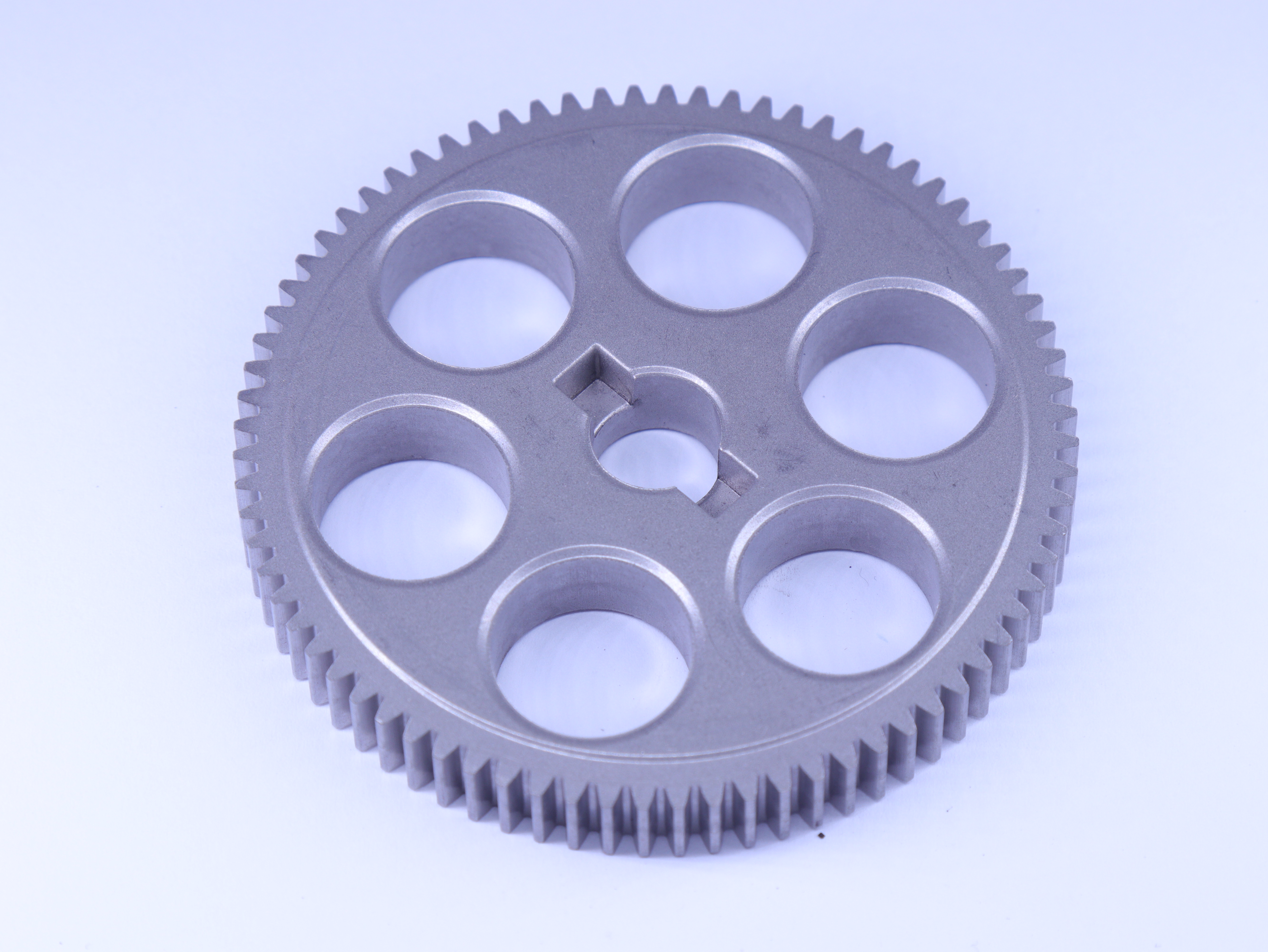
 Guangming Group Today Shares: What Are the Common Manufacturing Processes for T‑Type Dual Gears?
1. Machining Process (First‑choice for Heavy‑duty, High‑precision & High‑torque Applications)
Process flow: Cutting → Forging blank → Lathe turning (T‑shaped step, inner bore) → Gear hobbing / gear shaping → Deburring → Heat treatment → Inner‑bore grinding / end‑face grinding → Gear honing


 24 2026-07
 Today, Guangming Group will talk about the materials and production processes of external lock cutting plates for meat grinders.
The external lock cutting plate is fixed via outer latches matching the clamping slots of meat grinder heads, compatible with all household and commercial meat grinders. Two primary material categories dominate the market: